Crooked teeth are a common concern for both parents and children, and as they approach their teens, children start getting concerned about the way their smile looks. Crooked teeth are not only limited to smile concerns, they make simple tasks like brushing, flossing, and chewing food difficult.
The most familiar treatment option for these concerns is Metal Braces. They have been talked about for years and remain a choice trusted by parents.
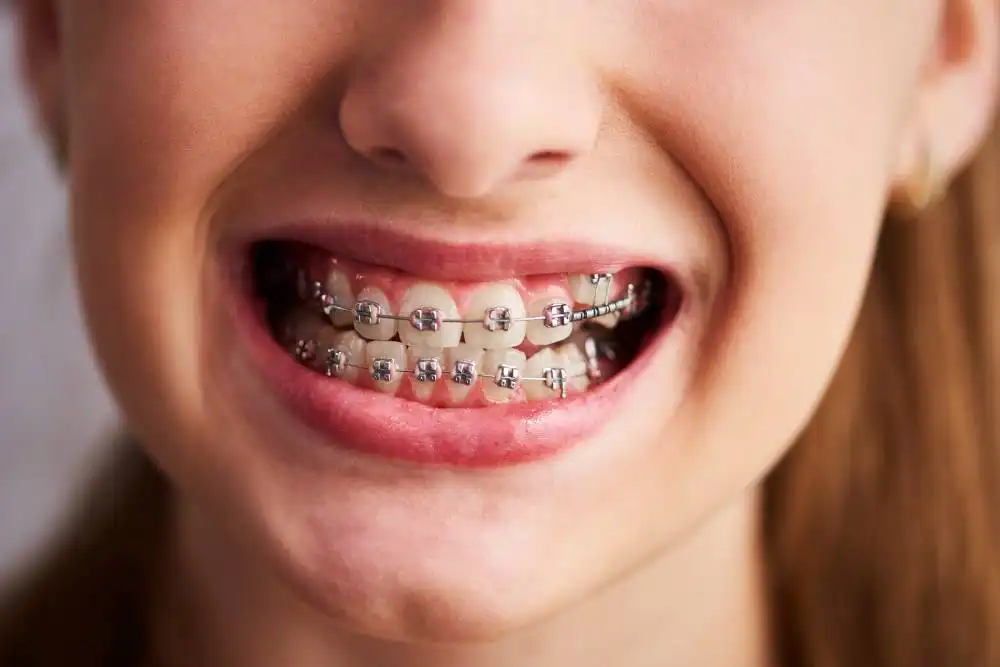
Metal braces are fixed tools used to straighten teeth. Small brackets are attached to the teeth, a thin wire connects the brackets, the wire puts gentle pressure on the teeth, and the teeth then move slowly. Your orthodontist will check these movements during your regular visits, and adjustments will be made whenever needed.
Metal braces can help with:
● Crowded teeth
● Crooked teeth
● Gaps
● Overbite
● Underbite
● Crossbite
● Other bite problems
Metal braces stay on the teeth throughout the treatment. They cannot be removed at home.
Metal braces move your teeth by applying gentle pressure. This pressure is steady to bring about teeth movements. The wire guides the teeth. The movements happen slowly over a period of time.
The following are the steps of braces treatment:
The dentist checks your oral cavity. The teeth and bite are examined. X-rays may also be needed. Photos or scans may be taken.
The brackets are fixed to the teeth. The wire is then placed through the brackets. This process takes 1-2 hours. However, time can vary from case to case.
You will need to visit your orthodontist regularly to see how your teeth are moving. The appointment will be scheduled every 4 to 8 weeks. The orthodontist will make the necessary adjustments. Small changes may be made to the wire.
The braces are removed when the dentist evaluates that the planned movements are completed. The teeth are then checked again. A retainer is usually part of the next stage.
Metal braces usually take 12 to 24 months to straighten teeth. Some people may finish their treatment sooner. More complex cases can take a little longer.
Treatment time depends on:
● Crowding: More crowding may need more time
● Gaps: Larger gaps may take longer to close
● Bite problems: Complex bites can increase treatment time
● Broken brackets: Damage can cause delays
● Missed appointments: Missed visits can slow progress
● Following advice: Good care can help treatment stay on track
Metal braces are strong and reliable. They have been used for many years. They can treat many orthodontic concerns. The benefits are as follows:
Unlike removable appliances, metal braces remain attached to the teeth. You do not have to remove them before having food.
Braces allow controlled tooth movement. The orthodontist can adjust the wire during treatment. This helps guide the teeth step by step.
Metal braces can treat several types of alignment problems. They can help with crowding and gaps. They can also help with some bite problems.
Metal brackets are made for everyday use. They are strong. Still, they need proper care. Hard foods can damage them.
Metal braces are fixed. Clear aligners are removable. This is one of the biggest differences. Both options can help straighten teeth. The treatment experience can be very different.
The best option depends on the teeth and lifestyle. Illusion Aligners is one option for people looking for a less noticeable way to straighten suitable cases.
Retainers help keep teeth in their new positions after braces. Teeth can move again after treatment. This can happen even after a successful result. The orthodontist will explain the retainer plan. The type of retainer can vary. Wear time can also vary. Following the instructions helps protect the result.
Good daily habits can make braces easier to manage. Here is a simple routine:
● Brush twice daily
● Clean between teeth
● Avoid hard foods
● Avoid sticky foods
● Attend appointments
● Follow dental advice
Metal braces are a trusted way to straighten teeth. They can fix several alignment problems, with the treatment taking around a year or two to get completed. Good cleaning is important along with regular appointments.
Clear aligners offer another option for suitable cases for people who are more concerned about aesthetics. They are less noticeable and removable. Both options have their own advantages, however, the right choice depends on the teeth, bite, lifestyle, and treatment goals. A proper dental examination is the best place to start.