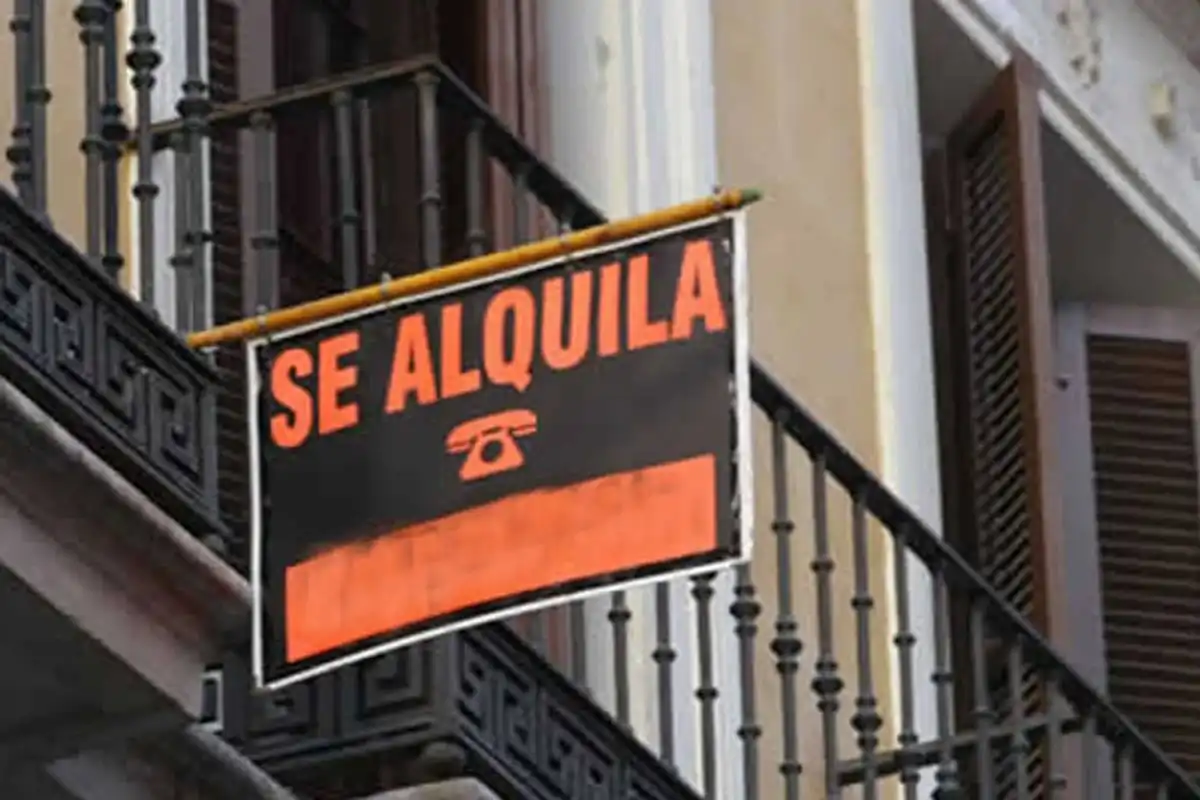
The Spanish parliament has voted to block a key housing measure that would have extended rental contracts and capped rent increases, in a move set to impact thousands of tenants across the Canary Islands.
Political parties including the Partido Popular (PP), Vox and Junts per Catalunya joined forces in Congress to reject the decree law, which had been introduced by the coalition government, with 166 votes for, 177 against, and 6 abstentions.
What the decree proposed
The now-scrapped decree had been in force since 20th March, following approval by the Council of Ministers. It included measures to automatically extend rental contracts due to expire in 2026 and 2027, along with a cap limiting rent increases to 2% during those extensions.
With its repeal, these protections are no longer legally binding.
Impact on the Canary Islands
The decision is expected to have a significant local impact. According to estimates from Spain’s Ministry of Consumer Affairs, around 66,620 rental contracts in the Canary Islands will be affected, impacting approximately 161,882 residents.
Across Spain, the figures are far higher. An estimated 1,037,603 rental agreements due to expire in 2026 and 2027 could have been covered by the measure, affecting nearly 2.7 million people. The largest share of beneficiaries would have been in Madrid, Barcelona and Andalucía.
Economic outlook unchanged
Separately, the government has confirmed it will maintain its economic growth forecast of 2.2% GDP growth for 2026, despite warning that instability in the Middle East could shave up to 0.8 percentage points off that figure.
The update was presented by Carlos Cuerpo, Spain’s Minister of Economy, as part of the country’s Annual Progress Report submitted to the EU ahead of the 30 April deadline under new fiscal rules.
Inflation expectations have also been revised upwards, rising from 2.1% to 3.1%, based on the latest data. Meanwhile, the government has improved its public deficit forecast for 2026, lowering it from 2.1% to 1.6% of GDP.
What it means for renters
For tenants in the Canary Islands and across Spain, the repeal removes a layer of short-term protection at a time when housing costs remain a key concern. Without the extension mechanism or rent cap, renters facing contract renewals in the coming years may now be exposed to higher increases and less security.