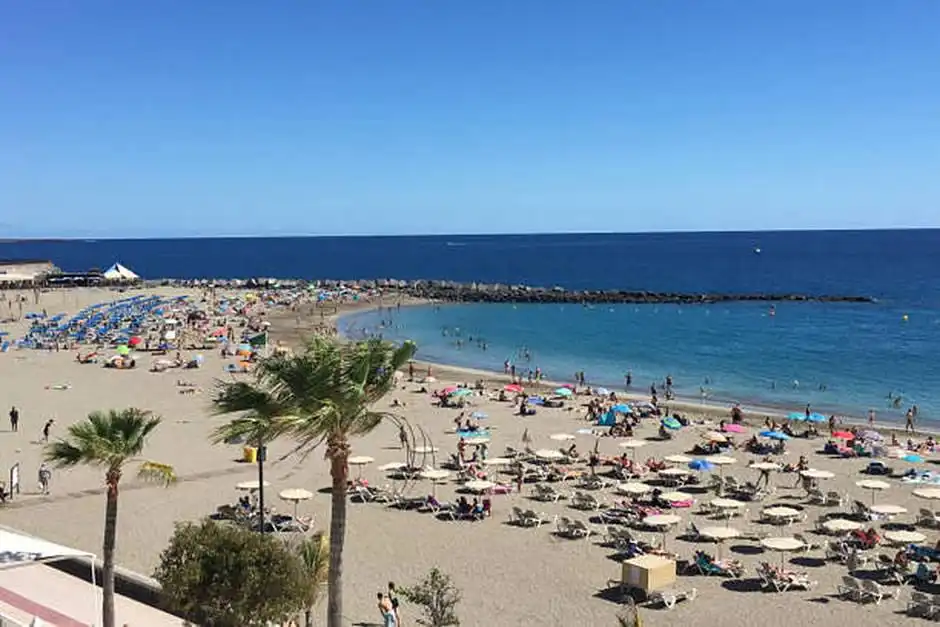
A holiday in the Canary Islands is usually built around being out and about. Mornings can mean a beach in Tenerife, afternoons exploring Lanzarote’s volcanic landscape, and evenings spent at a restaurant overlooking the coast in Gran Canaria. Yet even on the busiest holiday, there are quieter moments between those experiences.
Waiting for a transfer, relaxing by the hotel pool, sitting on an apartment balcony, or winding down before dinner all create small pockets of free time. Smartphones have changed how visitors fill those gaps. Social media, streaming, messaging, and mobile games can all provide entertainment.
Card games are particularly well suited to these shorter periods. Familiar formats such as poker sit alongside games from other parts of the world, showing how digital entertainment is becoming increasingly international, even during a traditional sun-and-sea holiday.
The Canary Islands offer plenty to do, but few visitors spend every minute sightseeing.
A day in Costa Adeje might include breakfast near the seafront, several hours at Playa del Duque and an evening in La Caleta. Someone staying in Puerto del Carmen could spend the morning exploring Lanzarote before returning to their accommodation for a couple of quiet hours.
Those pauses are part of a holiday rather than wasted time.
In the past, travellers might have taken a paperback to the pool or picked up a newspaper while waiting for a flight. Those habits still exist, but the smartphone now combines dozens of entertainment options in one device.
A visitor can check the weather before heading to Teide, message family at home, look for a restaurant in Las Palmas, watch a short video or play a few rounds of a mobile game.
Mobile card games fit naturally into this pattern because many can be understood and played in relatively short sessions. They do not necessarily demand the continuous attention associated with a film, television episode or lengthy console game.
Travellers from Britain and elsewhere in Europe will already recognise many card games. Poker and blackjack have travelled far beyond their original settings, while traditional games continue to remain popular within individual countries.
Mobile technology has expanded that choice further.
Apps, online communities, videos and gaming websites allow people to encounter card formats they may never have seen around a physical table. A traveller staying in Tenerife can now discover a game associated with another continent as easily as someone browsing from London, Madrid or Mumbai.
Teen Patti is a good example.
The three-card game has strong roots in South Asia and may be unfamiliar to many travellers arriving in the Canaries. Its basic structure, however, contains concepts that card players can recognise: ranked hands, betting decisions, folding and trying to interpret what other players might hold.
Those curious about how Teen Patti is presented online can visit site to see one of the card formats. After confirming that a service is suitable for use in Spain, players can focus on practical details such as understanding the game rules, setting a spending limit, and checking deposit and withdrawal terms before starting.
The appeal of mobile card games during a holiday is largely practical.
A person does not need to reorganise an afternoon around them. A short game can fit between returning from the beach and getting ready for dinner or help fill the time while waiting at an airport or hotel lobby.
Card games also translate relatively easily to smartphones.
The essential information is usually compact: cards, player positions, available actions and the progress of the current round. This can make the format comfortable on a smaller screen.
For visitors who already spend much of their holiday using a phone for maps, restaurant bookings, attraction tickets and communication, using the same device for entertainment is hardly a major behaviour change.
The important difference comes when real money is involved.
Travellers experience plenty of short pauses during a Canary Islands holiday. There may be time to fill while waiting for a transfer from Tenerife South Airport, relaxing beside a hotel pool in Costa Adeje, taking a break after exploring Timanfaya in Lanzarote, or unwinding at an apartment in Corralejo after a day at the beach.
These are the moments when smartphones tend to come out. Some visitors check social media or messages, others stream videos, read the news, or play a quick mobile game. Card games fit particularly well because many rounds can be completed without taking over the rest of the day.
The Canary Islands may feel geographically distant from mainland Europe, but visitors are still in Spain.
That distinction matters when someone accesses real-money gaming online.
Spain has a regulated online gambling market overseen nationally by the Dirección General de Ordenación del Juego (DGOJ). The regulator states that only appropriately licensed operators can legally provide regulated online gambling activities in the country.
A website being accessible through a hotel Wi-Fi connection or Spanish mobile network does not by itself show that the operator is authorised.
The DGOJ provides an official operator search that allows users to check licensed companies and the domains associated with them.
That gives travellers a practical checklist before considering real-money play:
None of this means mobile gaming is replacing the experiences people travel to the Canary Islands for.
Few visitors fly to Fuerteventura to spend the entire trip looking at a phone. Beaches, landscapes, restaurants, water sports, walking routes, nightlife and local towns remain the main attraction.
This pattern is supported by the wider digital habits of people in the archipelago. For tourists, connectivity is also increasingly expected. Phones are already used to navigate unfamiliar streets, translate menus, check opening hours, store boarding passes and keep in contact with people at home.
Entertainment is simply another part of that digital toolkit.
Mobile card games are unlikely to become the defining feature of a Canary Islands break, nor do they need to be.
A morning could begin with checking a beach forecast on a phone, continue with several hours away from screens, include a short mobile game while relaxing at the hotel, and finish with dinner overlooking the Atlantic.
International card games such as Teen Patti fit into this picture because smartphones have made entertainment more portable and culturally diverse. Games that once belonged mainly to particular regions can now be discovered almost anywhere.
For visitors to Tenerife, Gran Canaria, Lanzarote, Fuerteventura and the other Canary Islands, the sensible approach is to keep that digital entertainment in perspective. Enjoy the quiet moments, understand what is being played, check the legal status of any real-money service used in Spain, and allow the islands themselves to remain the main event.
Disclaimer: This article is for informational purposes only. Real-money gaming involves financial risk and does not guarantee winnings. Adults considering online gambling while in the Canary Islands should verify that the relevant operator and activity are authorised in Spain, set personal spending limits, and gamble responsibly.