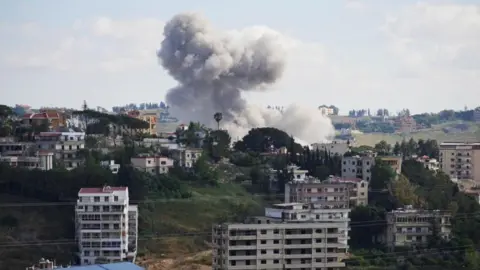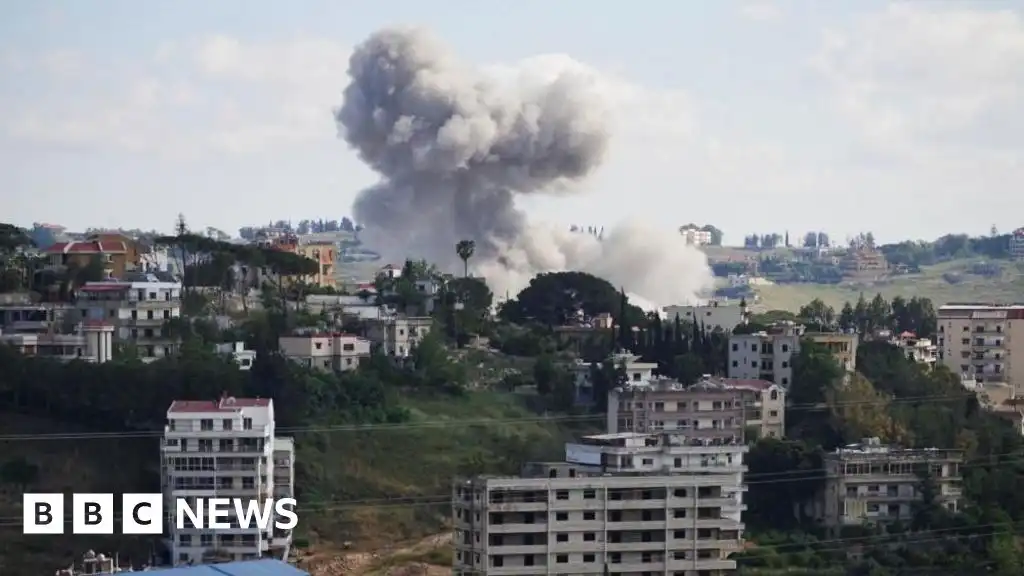
The Israeli military says it has begun a wave of strikes across Lebanon following an announcement by Prime Minister Benjamin Netanyahu that his country will intensify its attacks on Hezbollah.
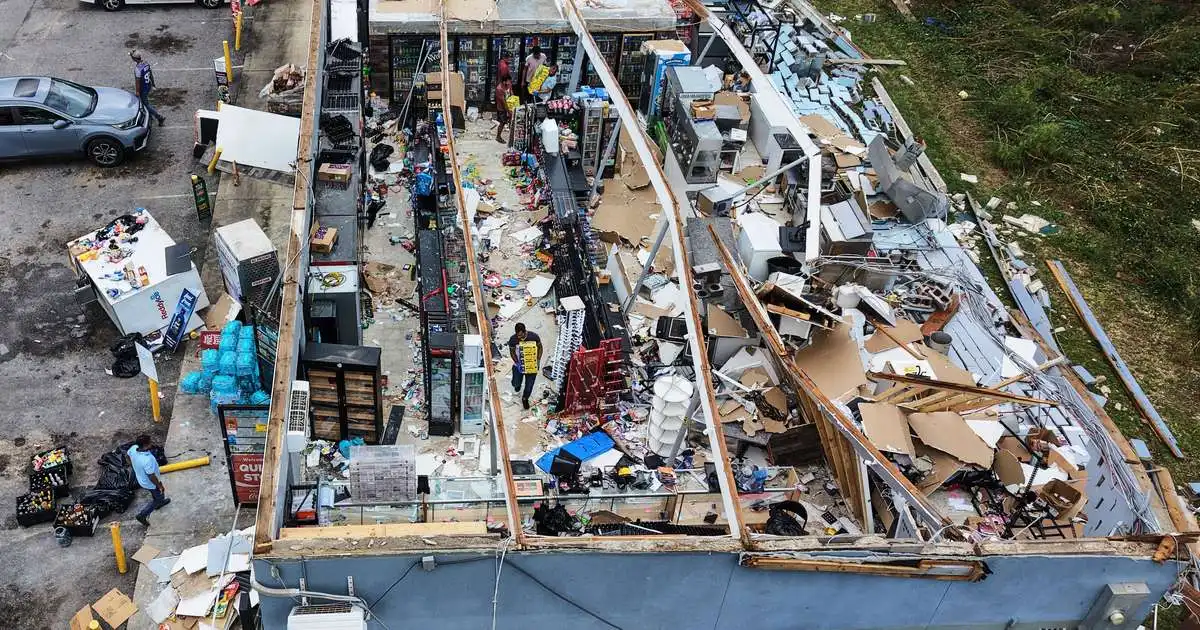
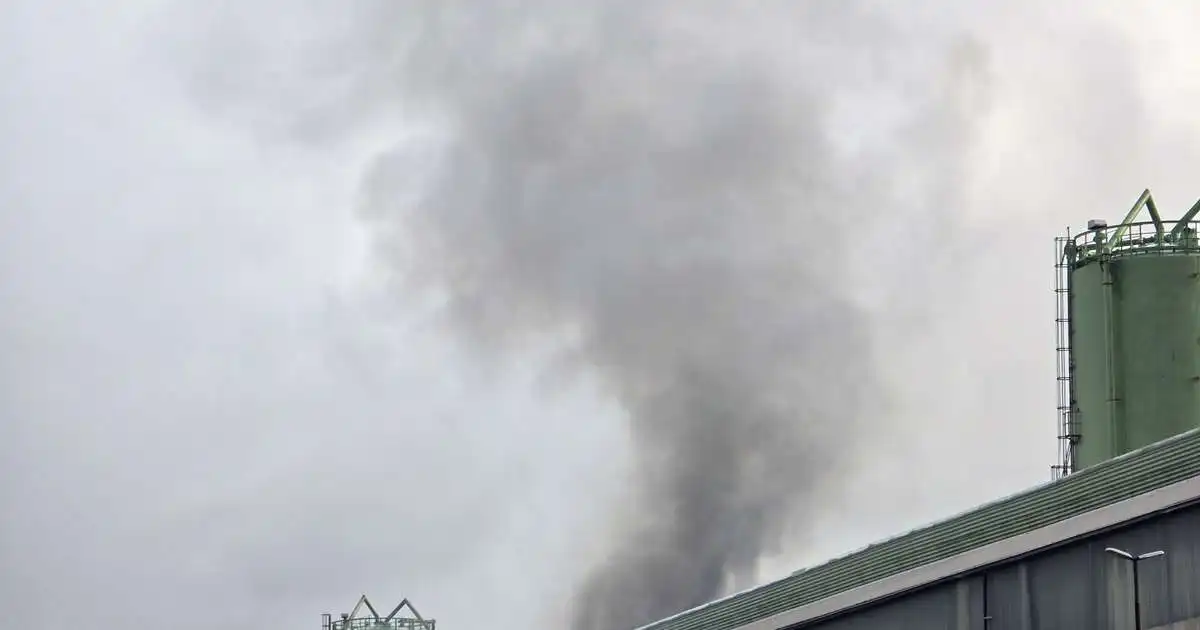
The Israel Defense Forces (IDF) said it had launched strikes against Hezbollah sites in the Bekaa Valley in the east of Lebanon and additional areas across the country.
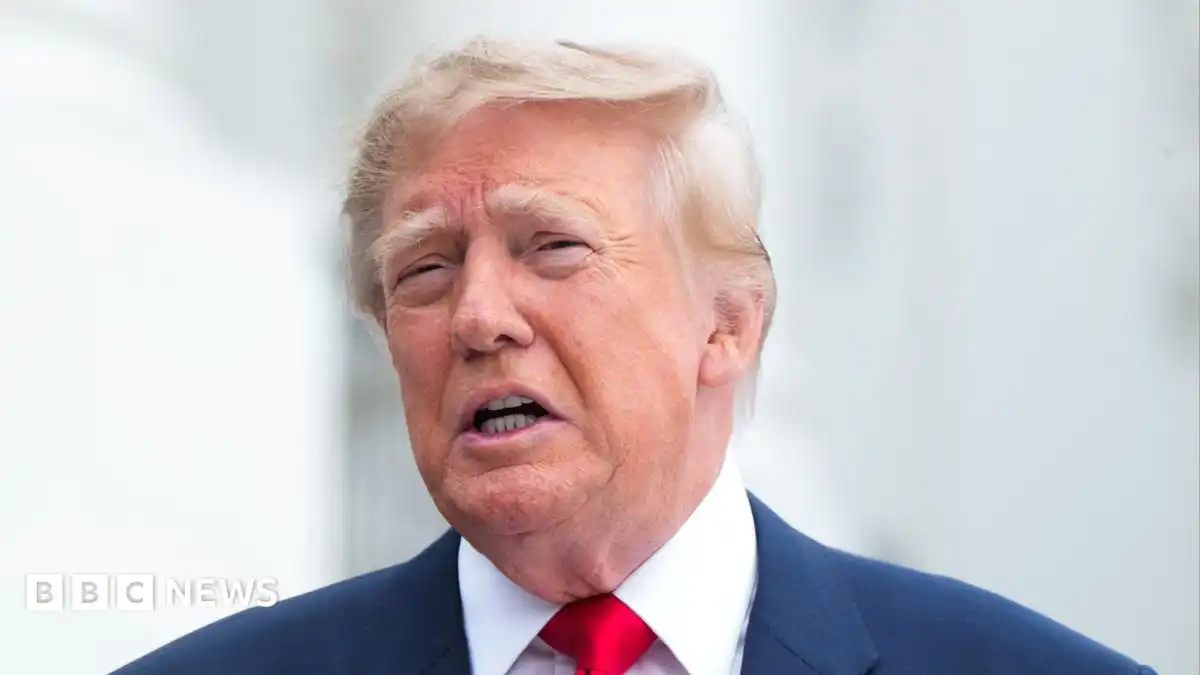
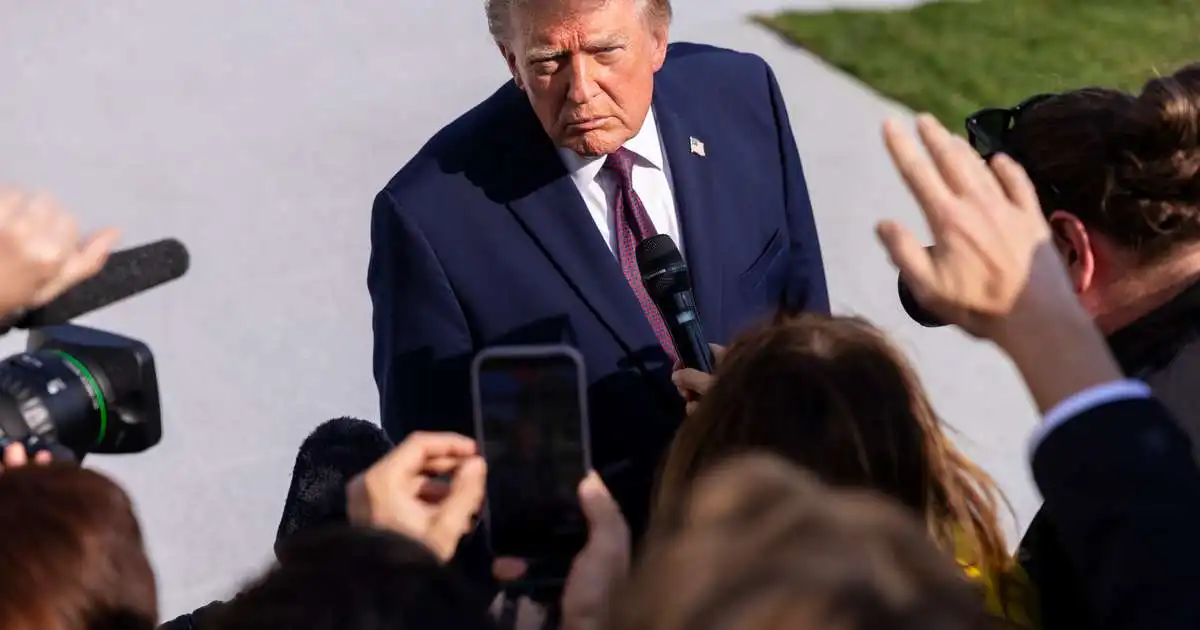
It followed a video statement on Monday evening in which Netanyahu said Israel was "at war with Hezbollah" and that he had given the military instructions to "deal them a crushing blow".
Earlier this month Lebanon and Israel agreed to extend a 45-day ceasefire, though some fighting has continued.
There will be fears in Beirut that these latest Israeli attacks will widen to include Lebanon's capital city.
Netanyahu said Israel's military offensive against Hezbollah had "eliminated... over 600 terrorists."
He continued: "But what this requires of us now is to increase the strikes, to increase the intensity."
Since the ceasefire agreement was signed on 16 April, Israeli attacks have been largely confined to the south of the country, where Israeli troops remain and from where Israel says drones and rockets have been launched.
The Bekaa Valley, which was struck on Monday evening, lies in eastern Lebanon, close to the border with Syria.
The expansion of Israel's campaign came as the Iranian government insisted that an emerging peace deal with the US should include a complete ceasefire on all fronts in the regional war.
Israel's government has been opposed to ending the fighting against Hezbollah.
Ten Israeli soldiers have been killed since the initial ceasefire with Lebanon was agreed. More than 400 people in Lebanon have been killed by heavy Israeli bombardment in the same period, including many paramedics and emergency service workers.
Israel has issued near daily orders for Lebanese citizens to leave their homes in new areas in the south of the country, adding to the more than one million people displaced.
Lebanon was drawn into the current round of fighting after the US and Israel launched a war against Iran on 28 February. Hezbollah, an ally of Iran, fired rockets into Israel in retaliation for an Israeli strike that killed the Iranian supreme leader Ayatollah Ali Khamenei.
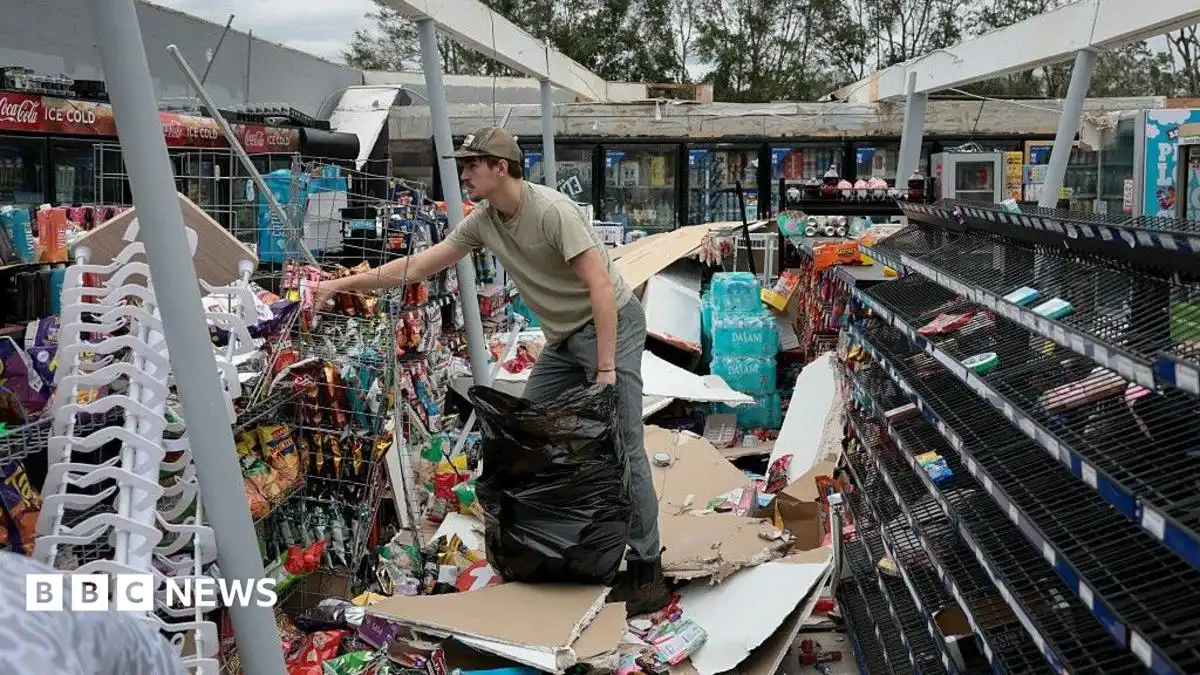
Israel responded with an air campaign across Lebanon and a ground invasion, with more than 3,000 people killed in Israeli attacks according to the Lebanese Ministry of Health.
Lebanon's government has been pursuing attempts to disarm Hezbollah but maintains a ceasefire is necessary in order to complete what it says is a complex task.