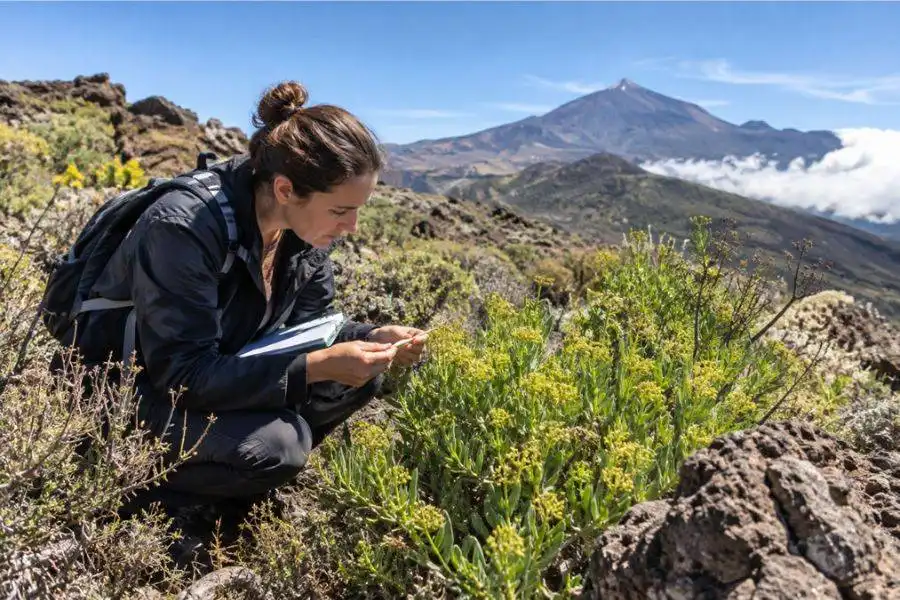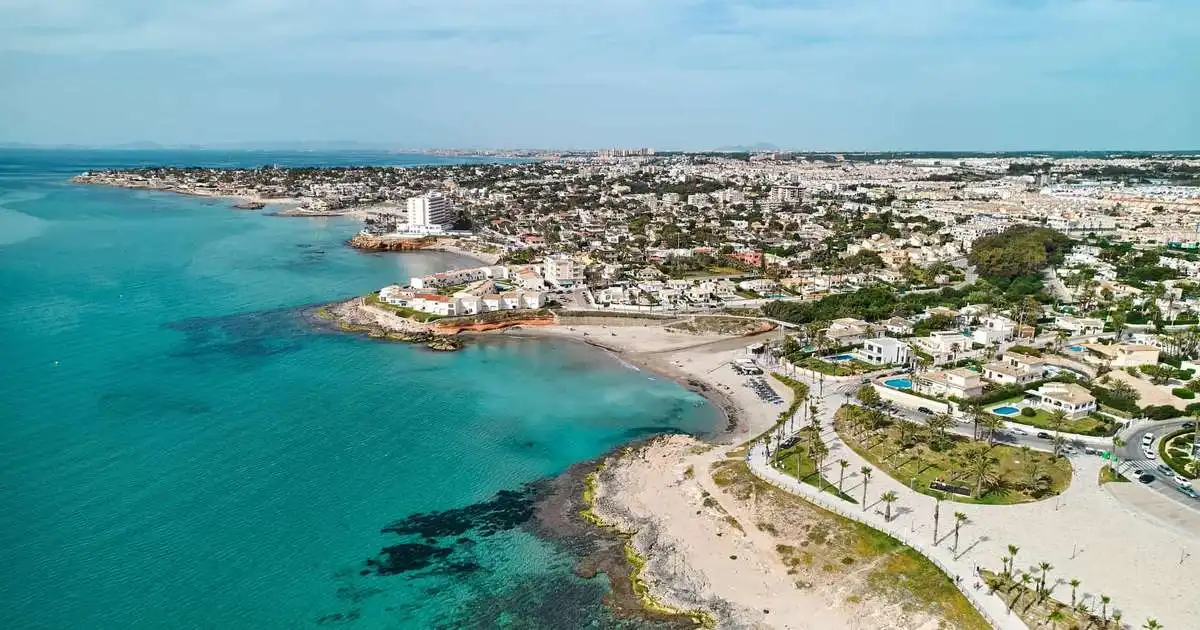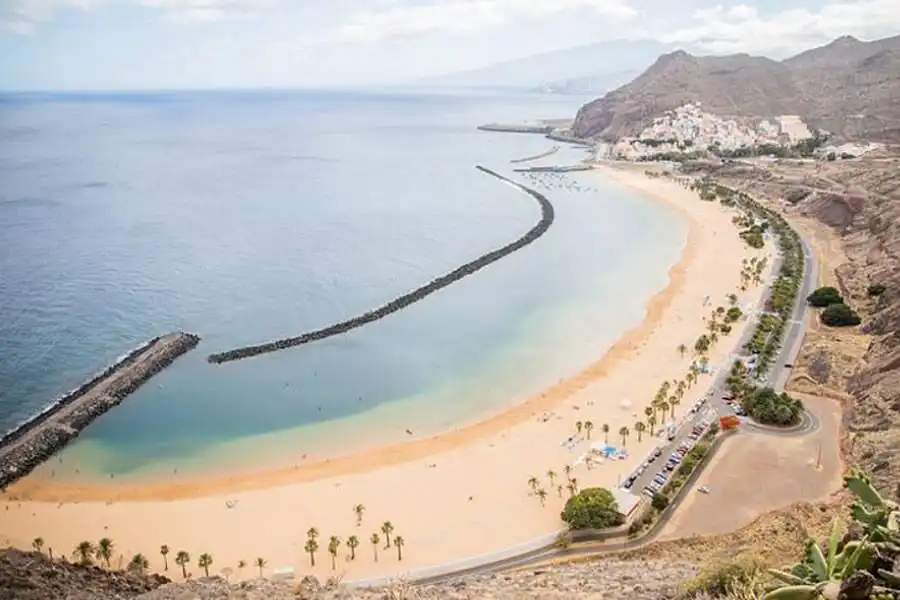
The Canary Islands have long attracted travellers with their volcanic landscapes, coastal towns, beaches, hiking routes, and distinctive local culture. What is changing, however, is the way visitors discover and experience these destinations.
Tourists are no longer relying only on printed guides, hotel brochures, or recommendations made after arrival. Digital tools now influence almost every stage of the journey, from early research to navigation and entertainment.
This shift has made travel more flexible and personalised. Visitors can compare locations, identify less familiar attractions, organise transport, and adjust their plans while already on the move.
Technology is not replacing traditional travel experiences. Instead, it is helping tourists interact with the islands in a more informed and adaptable way.
Planning a trip to the Canary Islands once required a relatively fixed itinerary. Today, travellers can create far more individual experiences based on their interests, preferred pace, and location.
Digital platforms allow visitors to explore destinations before they arrive. Interactive maps, travel applications, accommodation platforms, and local guides provide a clearer impression of what different islands and regions offer.
One of the greatest advantages of digital travel tools is the ability to move beyond the most familiar tourist areas.
Travellers can search for quieter beaches, scenic villages, independent restaurants, coastal walks, cultural spaces, and local markets that may not appear prominently in traditional travel material. This creates opportunities for a more varied experience and can help visitors design a journey that feels less standardised.
Online research also allows travellers to compare different environments before deciding where to spend their time.
Exploring unfamiliar landscapes becomes considerably easier when travellers can access navigation tools instantly.
Digital maps help tourists understand distances, identify routes, find transport connections, and adapt when plans change. This is especially useful in destinations where dramatic terrain can make journeys less straightforward than they initially appear.
Visitors no longer need to follow a rigid route simply because it was planned in advance. If the weather changes, a location feels too crowded, or another attraction appears more interesting, digital navigation makes it easier to adjust.
The same habit of digital exploration often continues during quieter moments of the trip. Travellers may move between maps, streaming platforms, social media, and casual online entertainment such as สล็อตทดลอง while relaxing at their accommodation.
Social platforms have become an important source of travel inspiration. Tourists increasingly discover viewpoints, cafés, hiking routes, and coastal locations through images, short videos, and personal recommendations.
A traveller may arrive with a general plan but discover new places after seeing content shared by other visitors or local creators. This creates a more spontaneous form of tourism in which itineraries evolve during the trip.
Social media can also help travellers understand the atmosphere. A photograph may show what a beach looks like, but a short video can reveal how busy it feels, how accessible it is, or what kind of environment surrounds it.
During periods of rest, visitors may also explore other digital activities, including casual gaming options such as สล็อตทดลองเล่น, alongside travel content. This illustrates how modern travel often combines destination research, communication, entertainment, and relaxation within the same connected device.
Language can influence how confidently tourists engage with unfamiliar places. Digital translation tools have reduced many of the small communication barriers that once made independent travel more difficult.
Visitors can translate menus, signs, directions, and basic conversations almost instantly.
When travellers feel more comfortable communicating, they may be more willing to visit local businesses, travel beyond heavily touristed districts, or ask questions about unfamiliar places.
Translation technology does not replace genuine cultural interaction, but it can make the first step easier. It allows visitors to navigate situations that might otherwise feel uncertain.
The modern smartphone has effectively become a compact travel centre. It can hold tickets, maps, bookings, restaurant information, photographs, translation tools, and entertainment.
Visitors are becoming accustomed to finding answers quickly. They may want to know whether a route is suitable, where to eat nearby, how to reach another island, or what activities are available in the surrounding area.
At the same time, phones remain a source of leisure after a day of sightseeing. Some tourists may browse videos, social platforms, or gaming environments such as PG slot during downtime. The broader pattern is significant: mobile technology now accompanies travellers through both active exploration and quieter moments of relaxation.
The device is no longer just a communication tool. It has become part of the travel infrastructure.
Technology can make travel more efficient, but complete dependence on digital tools can reduce some of the spontaneity that makes travel memorable.
There is value in wandering through an unfamiliar street, choosing a café without reading reviews, or following a coastal path simply because it looks interesting.
The most satisfying approach is often a balanced one. Digital tools can provide guidance, but they do not need to determine every decision.
Digital technology is changing tourism in the Canary Islands by making travel easier to plan, navigate, and personalise. It gives visitors more control while also expanding the range of places they can confidently explore.
Maps, translation tools, social platforms, travel applications, and mobile services are all contributing to a more connected form of tourism. Yet the real value of these tools lies in how they support the experience rather than replace it.
The Canary Islands remain compelling because of their landscapes, culture, communities, and atmosphere. Digital tools simply give modern travellers new ways to discover them.