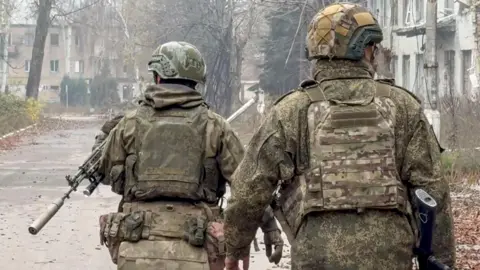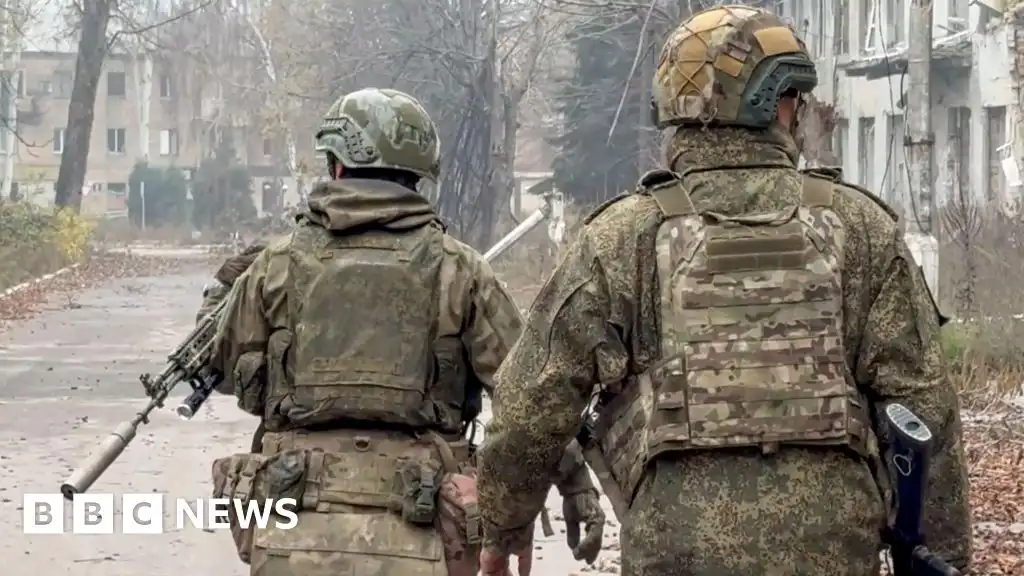
Almost 500,000 Russian soldiers have been killed since it launched its fullscale invasion of Ukraine in 2022, according to the UK's largest spy agency.
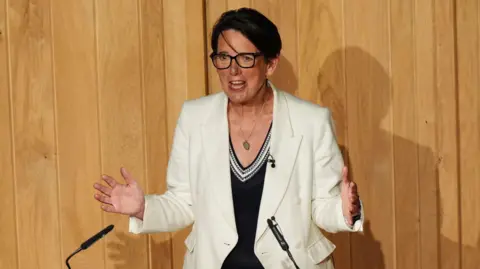
The numbers were revealed by GCHQ director Anne Keast-Butler in her inaugural public speech as she set out the threats facing the UK and the measures she believes need to be taken to confront them.
The spy chief warned the UK is at a "moment of consequence" with Russia "relentlessly targeting" critical infrastructure across the country.
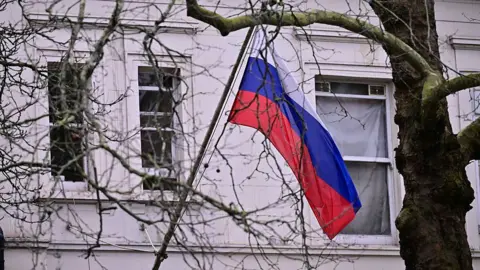
She also blamed the Kremlin for a string of espionage plots on British soil and, more recently, waging an undeclared 'hybrid war' against the UK and other Nato countries.
While both Kyiv and Moscow have regularly published estimates of the other side's losses, they have been reluctant to detail their own.
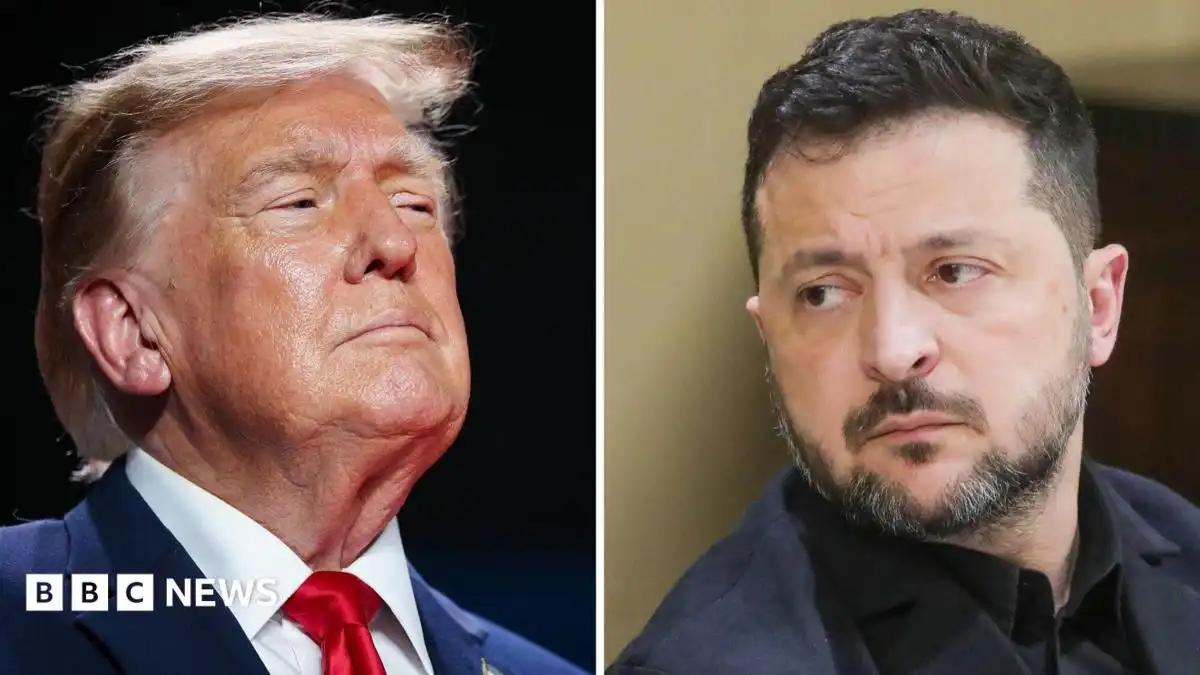
However, in February, President Volodymyr Zelensky said Ukraine had lost 55,000 soldiers since 2022.
BBC News Russian has been counting Russian war losses together with independent outlet Mediazona and a group of volunteers since February 2022. A list is kept of named individuals whose deaths we were able to confirm using official reports, newspapers, social media, and new memorials and graves.
The BBC has so far been able to confirm the names of 223 539 soldiers and officers, killed fighting for the Russian side in Ukraine.
The real death toll is believed to be much higher, and military experts we have consulted believe our analysis of cemeteries, war memorials and obituaries might represent 45-65% of the total.
Speaking from Bletchley Park, the home of code-breaking during World War Two, Keast-Butler singled out Russia for "targeting critical infrastructure, democratic processes, supply chains and public trust".
The Kremlin has denied the allegations.
Keast-Butler also warned Russia and China are investing heavily in space, for both peaceful and military purposes, with more than 10,000 objects launched into orbit in the last three years.
GCHQ is working tirelessly to fend off cyber attacks, she said, as well as counter what she called "reckless sabotage and assassination attempts".
She added: "In the face of such aggression and chaos, GCHQ is working tirelessly with intelligence and defence partners to degrade and reduce the Russian threat."
The Kremlin, which denies the allegations, has been blamed for the murder of former KGB officer Alexander Litvinenko after radioactive polonium was slipped into his tea at a London hotel in 2006.
It was also blamed for the attempted assassination of a former Russian military intelligence officer, Sergei Skripal, in Salisbury in 2018, after the lethal nerve agent Novichok was smeared onto his front door handle.
More recently, since Russia's full-scale invasion of Ukraine and the UK's ongoing support for Ukraine, Moscow has been accused of waging a "hybrid war" against Western countries.
In her speech, the GCHQ chief added: "As we remain steadfast in our support for Ukraine, Putin is going backwards on the battlefield."
Hundreds of so-called Russian "shadow fleet" vessels have also entered UK waters since the prime minister threatened to intercept them earlier this year, a BBC Verify analysis suggested.
China is now a science and tech superpower, Keast-Butler said, with sophisticated capabilities "across their intelligence, cyber and military agencies".
Moving on to the advancement of AI technology across the globe, she warned there is a narrowing window for the UK and its allies to stay ahead of its rivals.
"The ground beneath our feet is shifting, and shifting fast," she said.
"Cyber security is a critical priority for all businesses.
"Our experts are producing unprecedented levels of advice and guidance, but we need businesses to take immediate action.
"Not just to protect livelihoods and customers, but for the front line defence of our nation and our economy."
She sees collaboration with the tech industry, academia and even the public as key to staying abreast of advances in cyber security.
GCHQ spends much of its time combating organised criminal networks bent on targeting vulnerable British firms with phishing attacks and ransomware.
Keast-Butler urged everyone to look to their own cyber security "from boardrooms to living rooms".
She said: "At home that means taking important action now to switch passwords for passkeys, and for wider society, it means hard-wiring security into new technologies, protecting supply chains and making cyber security 10 times more urgent."
GCHQ – short for Government Communications Headquarters – is the largest of the UK's three spy agencies, the others being the Security Service (MI5) and the Secret Intelligence Service (MI6).
Based in Cheltenham and housed in a huge, circular building known as the Doughnut, GCHQ focuses on cyber security and signals intelligence.
With its focus on cutting-edge technology, it consumes the lion's share of the national intelligence budget.