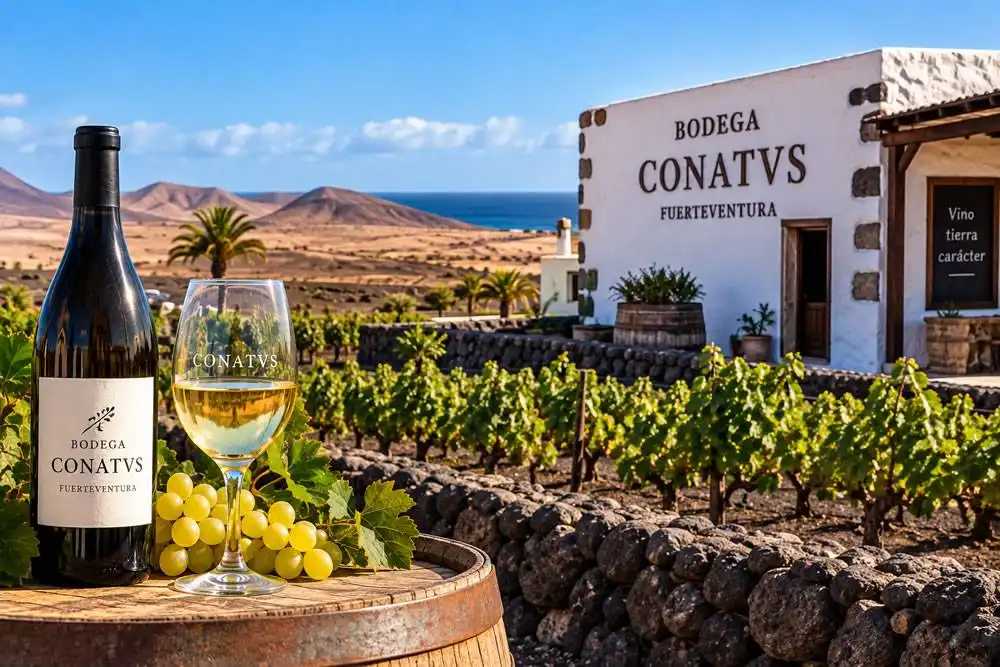
A winery in Lajares has been recognised for helping diversify Fuerteventura's tourism industry by combining local wine production, sustainability, rural landscapes and visitor experiences.
It has won one of the Canary Islands' leading tourism awards after being recognised for offering visitors an experience that takes them beyond the island's famous beaches and into its rural landscape and wine culture.
Bodegas Conatvs, based in Lajares in the municipality of La Oliva, has been named winner of the 2026 Canary Islands Tourism Award for Excellence.
The award recognises the winery's contribution to improving and diversifying Fuerteventura's tourism offer through a combination of viticulture, sustainability and experiences centred around wine and the island's distinctive landscape.
Canary Islands Tourism and Employment Minister Jéssica de León visited the winery yesterday (Monday) ahead of the official awards ceremony, which will take place on 24th September at the Palacio de Formación y Congresos in Puerto del Rosario.
Bodegas Conatvs was the first Fuerteventura winery registered under the Canary Islands Protected Designation of Origin and gives visitors an opportunity to learn about wine production while discovering the agricultural landscape and winemaking traditions of the island.
Showing visitors another side of Fuerteventura
The award is particularly significant for an island whose international tourism image is dominated by beaches, sunshine, surfing and water sports.
Tourism authorities are increasingly looking towards gastronomy, agriculture, culture and rural experiences as ways of broadening what the Canary Islands can offer visitors.
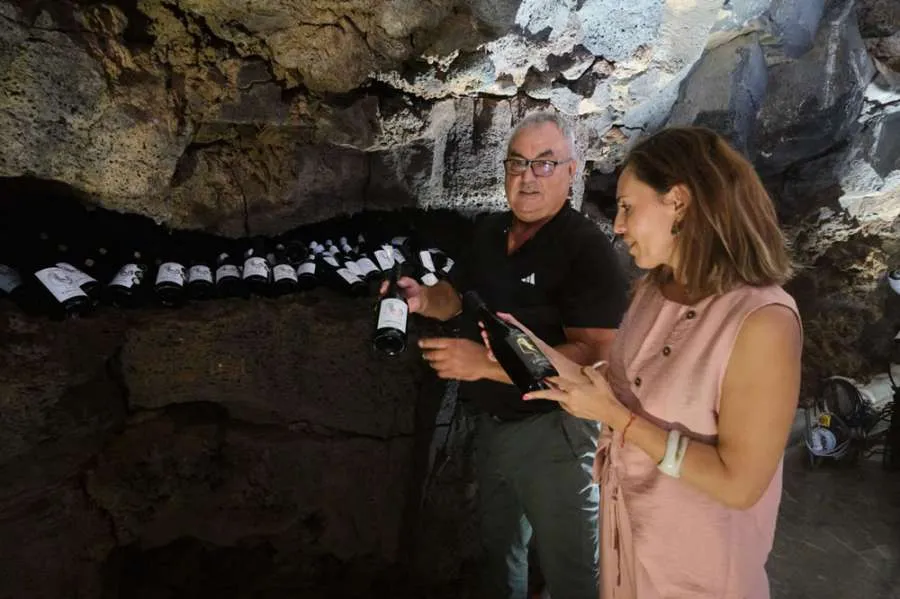
Tourism and Employment Minister Jéssica de León during her visit to Bodegas Conatvs in Lajares. (Image: Gobierno de Canarias)
Wine tourism can also help spread visitor spending beyond the principal resort areas and towards smaller businesses and rural communities.
Fuerteventura's dry, volcanic landscape creates very different growing conditions from the green vineyards traditionally associated with many European wine regions, making its wine production an experience in its own right for visitors.
The Canary Islands Government believes projects such as Bodegas Conatvs can provide additional economic opportunities while helping preserve agricultural landscapes and traditions.
The regional Tourism Department has also recently classified wine tourism as a regulated tourism activity in the Canary Islands.
This means businesses and professionals offering experiences related to wine and its surroundings can be included in the General Tourism Register under a specific regulatory framework.
The move reflects the growing importance being placed on tourism experiences connected to the culture and identity of individual islands.
For residents, it can create new economic activity and employment outside the traditional hotel and resort sectors, while visitors gain more opportunities to experience the Canary Islands beyond their accommodation and beaches.
The recognition of Bodegas Conatvs is also a welcome positive story for the tourism industry at a time when much of the public discussion surrounding tourism in the islands has focused on overcrowding, housing and pressure on infrastructure.
Those challenges remain, but the award highlights another side of the industry: smaller locally rooted businesses using tourism to support agriculture, rural areas and traditional activities.
Bodegas Conatvs will formally receive the award in Puerto del Rosario later this month.