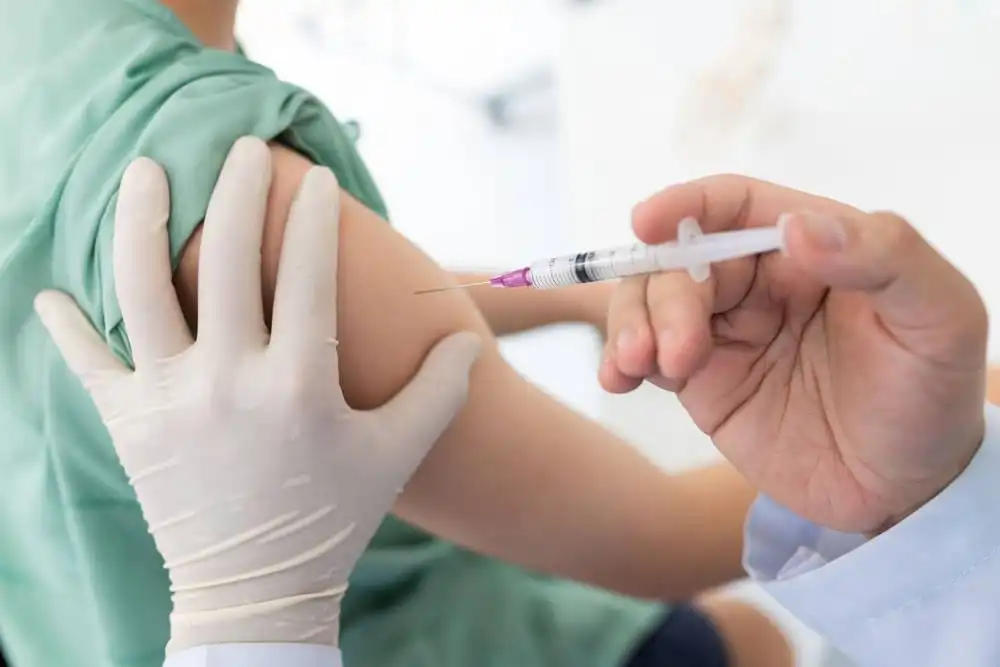
Residents eligible for a flu vaccination can now book their appointment as the Canary Islands prepares to launch its autumn campaign at health centres on Monday, 19th October.
Bookings opened yesterday, Wednesday 14th October, giving people the opportunity to arrange their vaccination before the programme begins across the islands next week.
Appointments can be requested by calling 012, or 922 470 012 and 928 301 012, the alternative numbers without the additional 012 service charge.
The campaign is aimed at protecting people most likely to develop complications from flu, alongside carers and workers whose roles bring them into contact with vulnerable people.
Who is eligible?
The groups covered include people over 60, children aged between six months and six years, pregnant women and women who have recently given birth.
People with chronic illnesses, weakened immune systems or other recognised risk factors are also included, together with residents of care institutions.
Vaccination is additionally recommended for carers and people living with vulnerable individuals, including households with babies under six months old.
Healthcare and social care staff, essential workers such as police officers and firefighters, nursery and early years staff, and people whose work involves contact with animals are among the other groups listed.
Smokers and people with additional factors that increase their risk may also qualify. Anyone unsure whether they are included can check with their health centre.
More doses available this year
The Canary Islands Health Service has purchased 281,263 flu vaccine doses, an increase of 5.4% on last season, at a cost of approximately €2.8 million.
Four types of flu vaccine will be available to suit different age groups and clinical needs.
The campaign is scheduled to continue until 31st December, although it could be extended until 31 March 2027, depending on how the virus develops over the winter.
School vaccinations already under way
An earlier phase began on 5th October, covering eligible people in residential care and disability centres, healthcare staff and young children in schools.
Children aged three, four and five attending participating public, publicly funded private and private infant schools are being offered a nasal spray vaccine, avoiding the need for an injection.
The school programme aims to protect children and their families while reducing illness-related absences from classrooms and parents’ workplaces.
Health officials stress that vaccination cannot prevent every infection, but it can significantly reduce the risk of serious illness, hospital admission and death among vulnerable people.
This season’s wider respiratory vaccination programme also includes separate protection against Covid-19 and respiratory syncytial virus, known as RSV, for eligible groups. Eligibility differs between vaccines, so being offered a flu jab does not automatically mean someone needs all three.