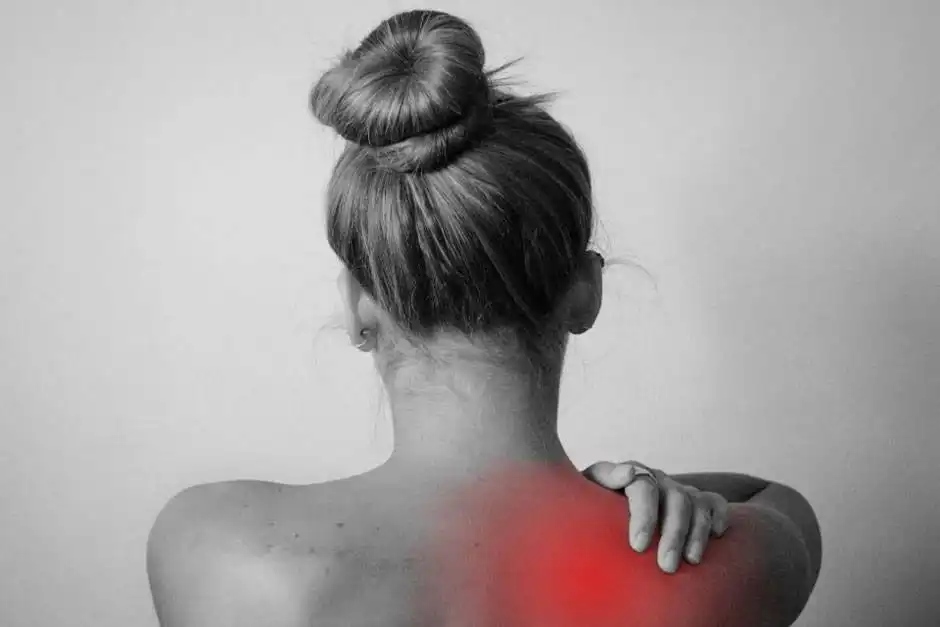
One of the most mechanically intricate joints in the human body, the shoulder can move in a stunning variety of ways but is also susceptible to damage in a wide range of situations.
Shoulder injury claims offer a path to compensation that covers both the physical repercussions and the subsequent financial losses when damage is caused by the negligence of another person rather than an inevitable accident.
Knowing which situations typically result in legitimate claims enables aggrieved parties to determine when seeking legal counsel is appropriate.
One of the most common causes of shoulder injuries that result in compensation claims is falls. In a split second, the body's natural reaction to a fall is to extend the arms to absorb impact, sending a significant amount of force through the shoulder joint. This mechanism frequently causes rotator cuff tears, labral injury, dislocations, and proximal humeral fractures.
Public liability claims arise when a fall occurs on property owned by an identified party who fails to address a hazardous situation within a reasonable timeframe. When an employer neglects to provide safe flooring, sufficient lighting, or suitable footwear for the surroundings, workplace claims follow. Establishing culpability in both situations requires proving that the dangerous condition persisted long enough for an appropriate inspection to have found it.
Shoulder structures are severely stressed by repetitive heavy lifting, carrying objects in awkward positions, and moving materials without the proper tools or training. When a single lifting incident surpasses the shoulder's capacity, acute injuries result. Long-term exposure to handling chores above permissible limits might result in cumulative injury.
Regarding manual handling, employers are subject to several regulatory requirements. Handling tasks that provide a risk of injury must be identified in risk assessments. To the extent that it is practically possible, control measures must lower that risk. Employees must get training relevant to the jobs they do. The employer is legally liable when these duties are not fulfilled, and a shoulder injury occurs.
Evidence linking the injury to particular working conditions, as opposed to a single identifiable incidence, is necessary for claims based on cumulative shoulder damage. Building this relationship is aided by employment records, work descriptions, prior handling condition complaints, and medical data that connects the injury pattern to occupational exposure.
In addition to the more frequently addressed neck and back issues, impact forces in traffic accidents, especially rear-end shunts, transfer through the vehicle's structure and into the occupant's body in ways that result in shoulder injuries. Although wearing a seatbelt is necessary for survival, it exerts force across the shoulder, which can be harmful in serious collisions.
Shoulder injuries sustained in traffic accidents are pursued through the at-fault driver's auto insurance. The Motor Insurers Bureau offers a compensation mechanism that keeps injured people from being left without recourse due to no fault of their own when the other driver was uninsured or fled the scene without being identified.
Participants in sports accept the inherent danger of injury. They do not, however, accept injuries brought on by the negligence of the person running the venue or planning the event. Liability arises when accidents are caused by poorly maintained equipment, insufficient supervision of high-risk activities, a lack of suitable protective clothing, and hazardous playing surfaces.
In these situations, shoulder injuries from contact sports, racquet sports, and activities requiring overhead movements are most frequent. Claims are successful where the damage was caused by a facility operator's specific failing rather than by the typical dangers associated with the activity.
In addition to or instead of a premises liability claim, shoulder injuries brought on by faulty equipment in a home, gym, or workplace may support a product liability claim against the manufacturer or distributor. This category includes things that were dangerous by design, equipment that malfunctions without warning, and safety devices that don't work as intended.
Evidence showing the product was defective, that the damage was caused by the defect, and that the injured party was using the goods in a way that the maker should have reasonably anticipated are all necessary for product liability claims. In proving these components, expert engineering evidence is often crucial.
The severity and long-term effects of shoulder injuries vary widely. Small soft tissue injuries heal in a few weeks. Serious rotator cuff tears, labral damage that needs to be surgically repaired, and injuries that result in a persistent restriction of movement can have a long-term or permanent impact on everyday life, work capacity, and leisure activities.
This range is reflected in compensation. For the period of the injury's effects, general damages cover pain, suffering, and loss of amenity. Special damages cover lost wages, medical expenditures, physiotherapy charges, and any other monetary losses directly related to the injury. When future earning capacity is impacted by permanent disability, this potential loss becomes an additional recoverable component that needs to be carefully calculated and supported by evidence.
Seeking timely legal counsel following a shoulder injury guarantees that the three-year statute of limitations is handled without undue strain as the claim progresses and protects the evidence required to prove all these components.