Words by
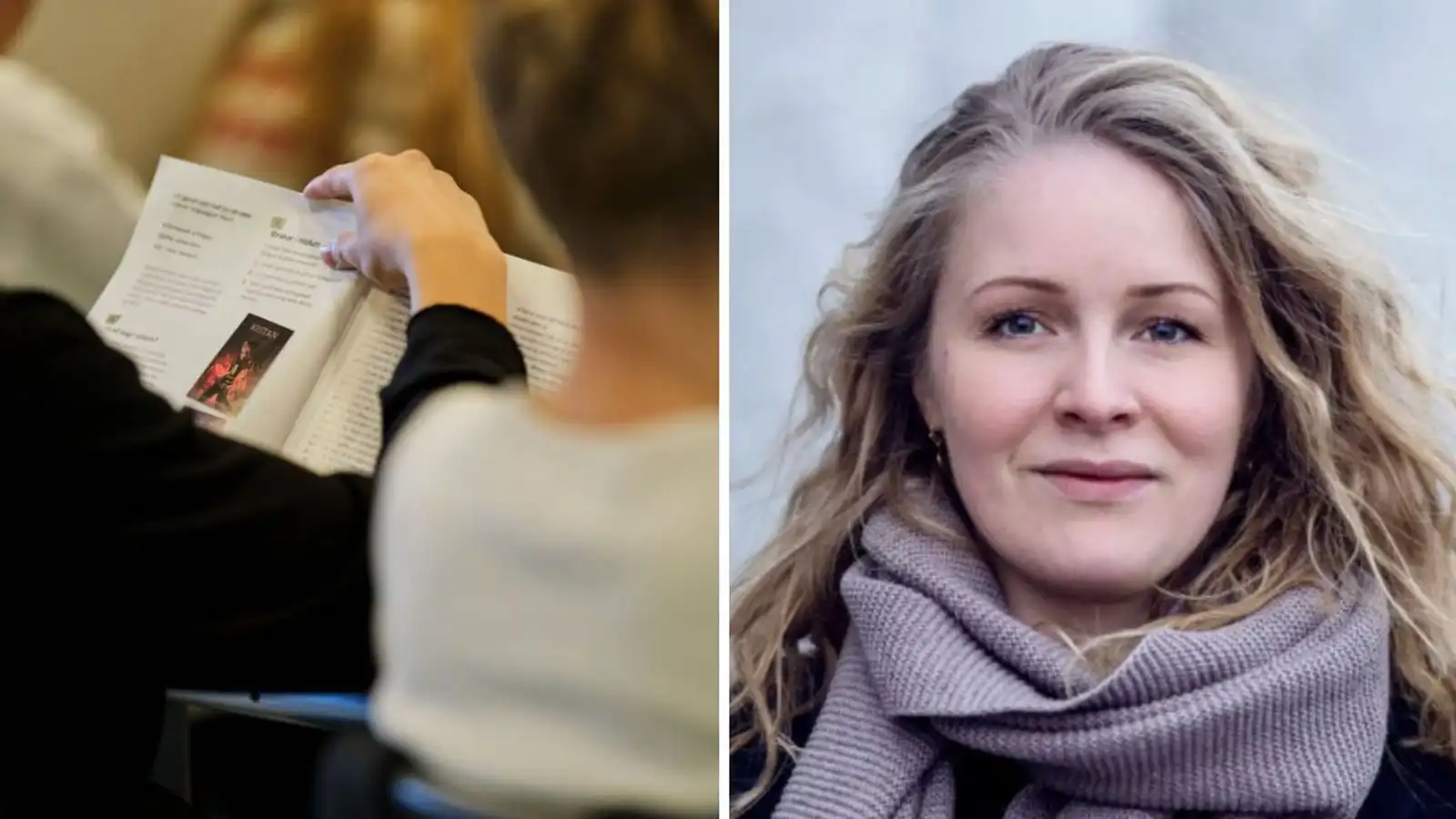
Photo by
Axel Sigurðarson

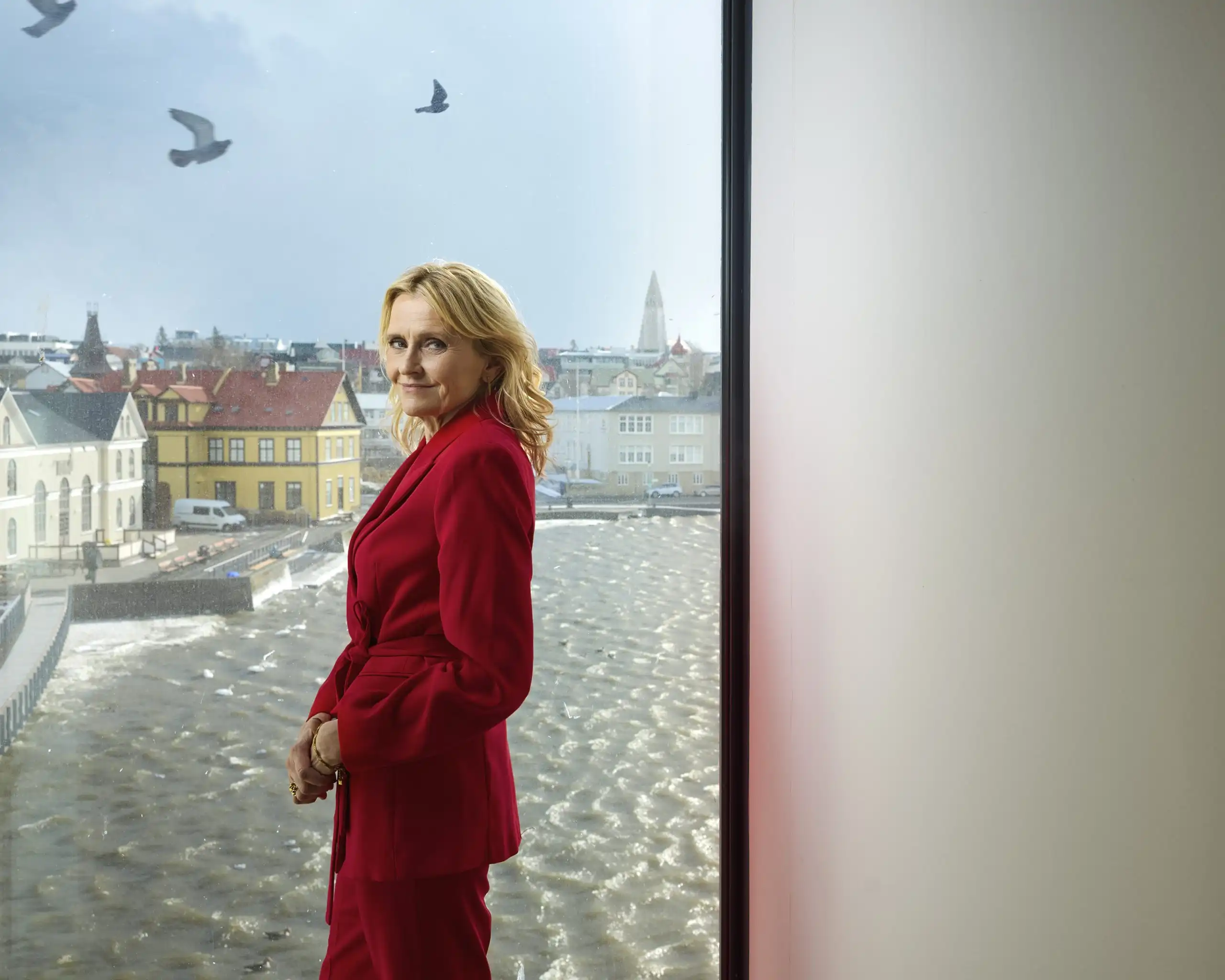
This New Year’s Eve, as the nation bonded over the annual comedy show Áramótaskaup, one skit caught particular attention: in a spoof game show, the contestants are asked to name the mayor of Reykjavík. No contestant can answer.
The host has no idea what the answer is. None of the staff does either. In a comedy show that otherwise bathed in Temu and Ozempic jokes, this was a solid jab.
I became curious, though; who exactly was the target? Why would the country’s largest city not know its own mayor, the executive over the largest employer in the nation, the City of Reykjavík? The joke hit especially hard in our household because in December I had been at a function in Vesturbæjarskóli, an elementary school in 101 Reykjavík, and the mayor joined. When our principal announced her presence, the parents surrounding me all acknowledged they had no idea who the mayor was — we couldn’t identify which woman in the crowd was the active mayor.
Between the time I set up our interview, and the date the interview was conducted, a final insult came the mayor’s way. Former professional soccer player, former Independence Party parliamentary candidate, and well-liked co-founder of Kex Hostel Pétur Marteinsson won first chair of the Social Democrats, beating out the sitting mayor. Discussion downtown was that the prime minister’s office had presented the winner flowers, suggesting that Pétur was Prime Minister Kristrún Frostadóttir’s preferred candidate, no matter the fact that Kristrún in fact presented both candidates with flowers.

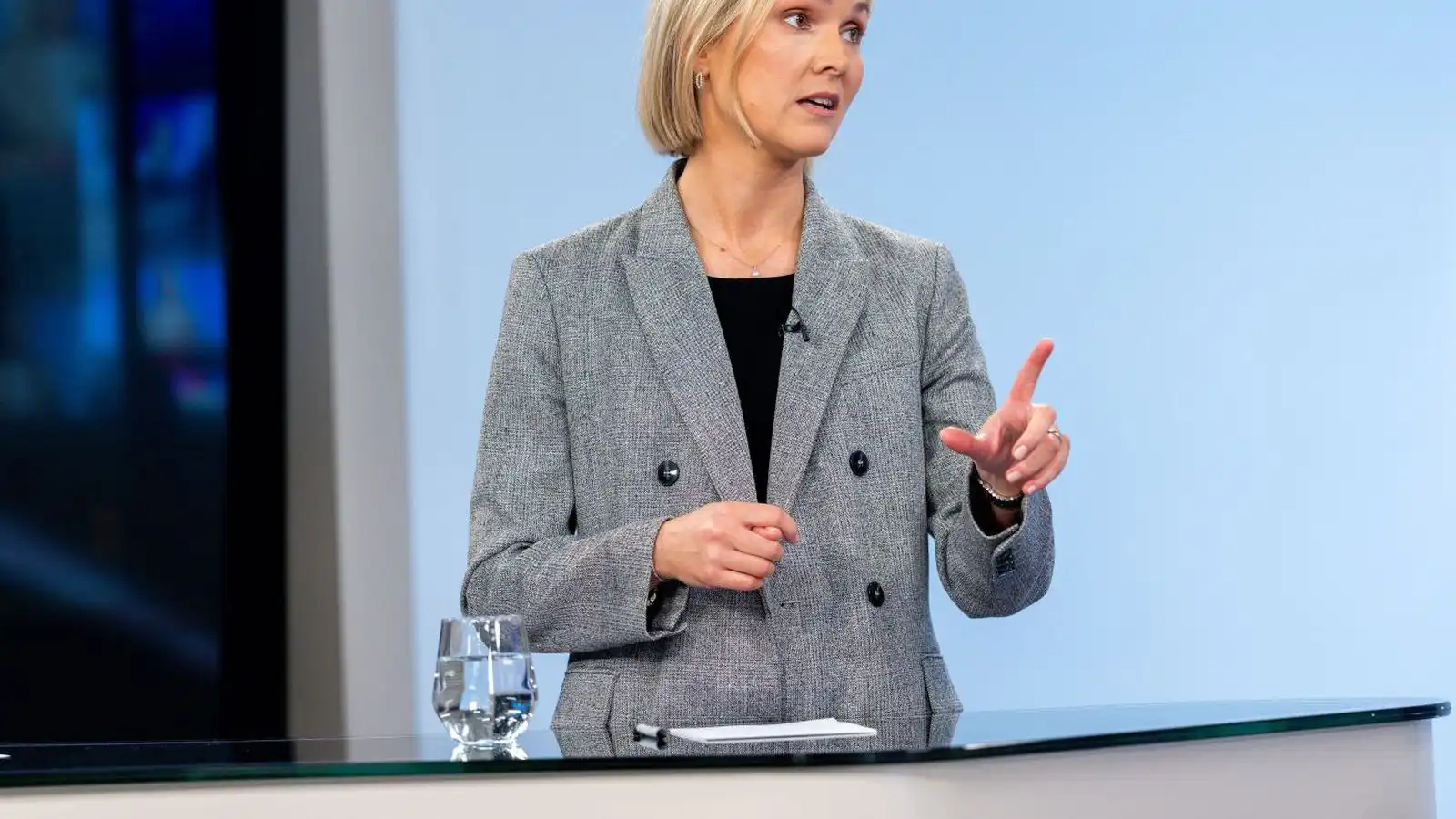
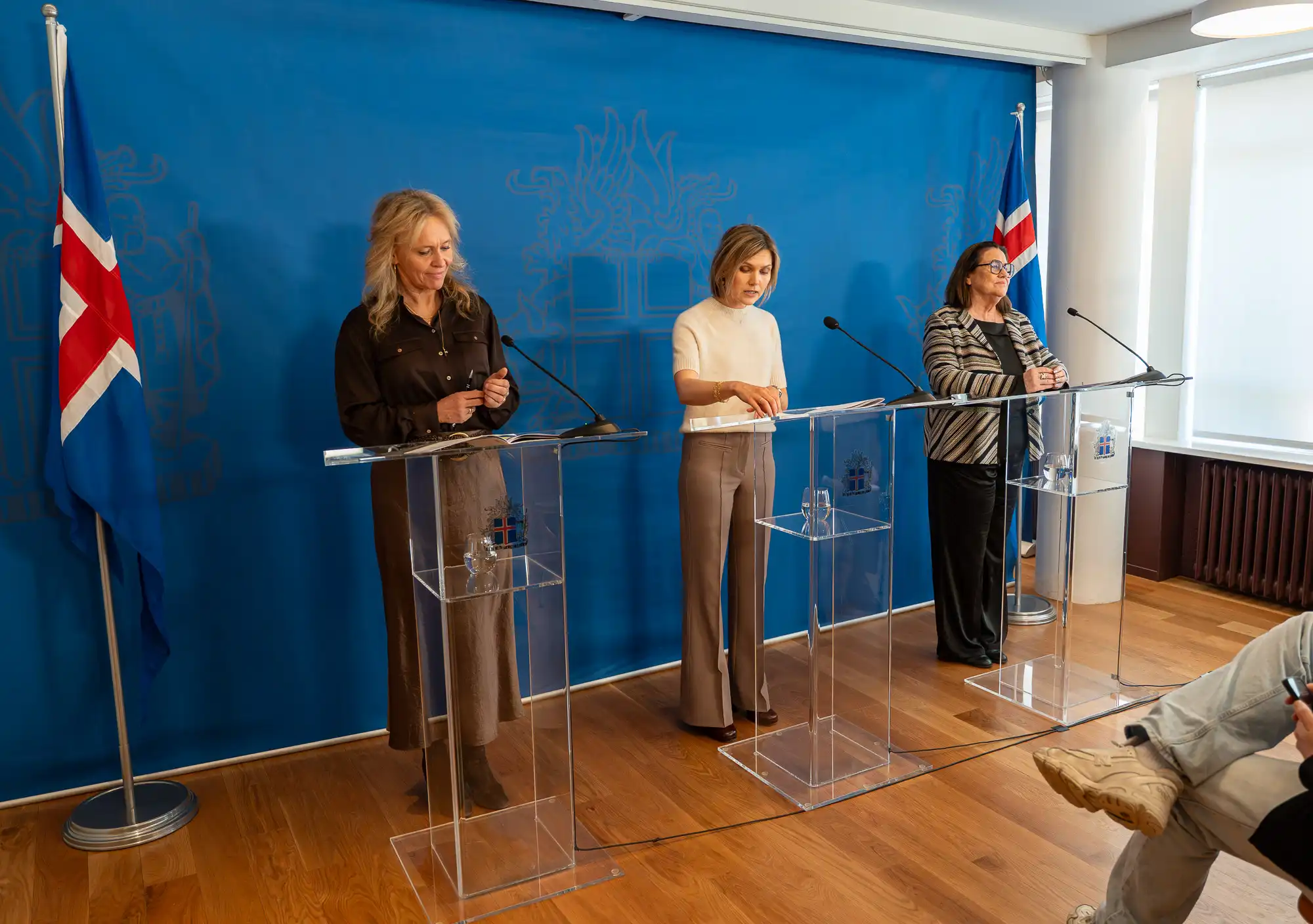
I walked into our interview a week after this defeat, to a mayor who knew she had three more months to serve, and who had been replaced as the first chair of her party to a relative newcomer. Other than brief cordialities, our interview took place entirely in English. A political advisor was present, but at only one point did he intervene. While our interview was scheduled for a half hour, the mayor spoke freely for closer to an hour. The only deflection came early on.
The deflection
Without tact or grace, I asked the mayor how she lost. “I am confused about the political party, how it works.” I stated bluntly. “Pétur seems nice, he owns a good bar, Kaffi Vest, but I don’t understand what issue he defeated you on. What issues were discussed? You’ve been in the party for what — 20 years — and he joined just recently?”
The mayor does not take the bait. She acknowledges she has been active in the party for 15 years, and indeed a member for 20 after following Ingibjörg Solrún Gísladóttir into the party, but says, “We need new people. I think it’s just really important that people engage in politics and discuss how we can make our society better, and the more people who engage, the better.”
When pressed she continues, “I have been active, yes, but that doesn’t matter. We need new people.”
I will later speak with Professor Gyða Margrét Pétursdóttir of the University of Iceland who will offer her opinion on the new candidate overtaking a sitting mayor: “Miðflokkurinn [the Centre Party] has been rising in the polls, and it might seem that some of the other parties are trying to appeal to the potential voters of Miðflokkurinn by selecting men that embody typical masculine traits, i.e., have connections to the worlds of sports/football and are quite well known. Yeah, men that can appeal to the men’s men, as you write.”
Without that context, I’ll be left at a loss. Certainly, the mayor, even so soon after a defeat, doesn’t note or highlight the optics or contextualise. She has lost, but the party has won more voters. Voter turnout was unusually high.
Finally, she concedes one point, “I mean, I’m the fourth woman [mayor] who is like one and a half, [or] two years. Yeah, just one has had two terms. I think that is something that someone at the university might be able to look into. I don’t have the time to reflect really a lot about it, but I’m the third women in this century that gets this opportunity in the last years of the term, [a partial term]. And then there comes a guy….”
“Like a glass cliff, like Fortune 500 companies in America?” I ask. The mayor moves on.
I will later go into detail with, indeed, someone from a university, asking help from the University of Iceland and Professor of Gender Studies Gyða Margrét to explain why pushing a qualified woman out of office doesn’t meet the criteria of a glass cliff.
She will note that Iceland has had a major glass cliff politician: Prime Minister Jóhanna Sigurðardóttir, who served immediately after the 2008 crash. Jóhanna fits the mold slightly better, as she was abundantly qualified to serve as prime minister, and her successor, Sigmundur Davið, would bring the nation ignominy when his name would feature in the Panama Papers while he was serving. After leaving office, Sigmundur Davið would go on to start the far-right Centre Party.
The professor of gender studies will then detail a difficult conclusion that is reflected in the city’s political discussion, “I would relate the second point to retrogressive mobilisation (vehicle of the anti-gender politics and deals with how the far right has managed to sway the political field retrogressively). But Heiða Björg’s position potentially relates to that and the narrative about women taking over (prime minister, president, leaders of the coalition parties, bishop…). Analysing the discourse of crisis in masculinity (which is part of anti-gender politics) is helpful here as it might seem that some might feel that women’s rights/status/position is at the expense of men, hence we have to make space for men.”
Retrogressive mobilisation is the academic explanation for the current wave. As the mayor noted, this will be the subject of papers for quite some time. Living in the moment, though, it is overwhelming.
Fifteen months
“I have 15 months and I’m using it all,” the mayor says. She is ready to talk her view of the duty of government. “I know there was a joke,” she says referring to the Áramótaskaup skit, “that people didn’t know my name. I mean, the people in their city know who is the mayor, usually, or they don’t. And those who don’t, don’t care. Those who care, those who watch the news and follow the politics, they know, the others not, maybe not so interested in it. And that’s, of course, something that we have to work with. Why are so many not interested in what we are doing?”
“We have been making a lot of tough decisions that matter a lot to the people, even though they might not see it right away. I know it matters. We have been for those who have the least pay, those who maybe are poor, they have a little bit better, at least with what we have been doing,” she says roughly gesturing toward the old school Social Democratic philosophies of redistribution of wealth, being honest about taxation.
“I think [voters] should talk to all the parties who are running and ask critical questions. And I mean, what are you going to do to make my life easier? How are you going to make the city more wholesome and good to live in? I mean some parties, and also people in their society are using immigration to make people afraid, that is really dangerous.”
“Are you going to name the party? Miðflokkurinn?” I ask. “Will you rule out working with the Centre Party?” I always ask if political figures will specifically address the obvious right-wing party, and I rarely get a response.
“Absolutely, and I have said that all the time. I don’t see, how they are talking, in the parliament, that we have anything in common with them, actually, not in those politics. I mean, unless they change their politics, I don’t say that we can work with them in the city because the main task is to make a good society. If you’re a city politician, that is your task to make a good society for everyone, integrate everyone into society, see that everyone gets the opportunity to be, to live their best possible life. And if you’re not on that, if you’re trying to get rid of people from your society, or making people not have opportunities to participate, that’s not our politics.”

The mayor continues, explaining why a coalition should not be formed with the Centre Party, “Those who are in the majority, they have the most influence on how the city is developing, and if we could get a right-wing majority in the city council, that could really change the city’s atmosphere. I think maybe we are not welcoming enough as it is for new [Icelanders]. We have to do more to reach out for people who are coming here and trying to introduce our city and our society and learn and how we can, how you can like flourish here, because we want people to flourish in our city and, and if we find way to do that, we can get so much more done, more happiness. And integration is also like both ways. We made that now very clear, our majority accepted the first like multicultural strategy for Reykjavík. So it’s not only those who move here who have to learn. We also have to learn, and we have to adapt also and, and, of course, culture is always thinking, and part of the painting is that we are now a multicultural society in Reykjavík.”
Since I returned to the Grapevine in August, the Centre Party has been at the forefront of the political conversation. For all that, I have heard very few alternatives. The mayor’s full-throttle defence of basic Social Democratic progressive politics may seem old hat, but it is the first straightforward defence of basic values I’ve heard from a politician in Iceland in a decade.
Free busses and school lunches
Our discussion veers, briefly, to our own kids, and my son’s bus trips for language lessons. Suddenly, the reason why nobody knows the mayor’s name becomes crystal clear.
“What we’re going to propose, on Tuesday, is free busses for children 16 and under,” the mayor notes. I had not read of this proposal before our meeting. “Then the kids don’t have to call their parents asking for money for the bus.”
To be clear, the mayor proposed motion for free busses for children 16 and under. She mentions this to me on Friday. On the following Tuesday, the city council approves the initiative, with a goal of free busses for every school child 16 and under.
This bold policy does not make an impact in the news. For all the legwork required for such a policy, the payoff in public attention was a brief Visir article and a single paragraph in a right-leaning newspaper, essentially a cut-and-paste of the city’s press release. According to the Wayback Machine, the Vísir article disappears from the front page of the website almost immediately.
The state-run media, RÚV, did not cover the legislation. They did write up a survey that noted the Social Democratic Party and the Independence Party were shifting in popularity, Independence at 32.7, Social Dems at 29.4 percent. Using the Wayback Machine, I can see the focus in Visir was on the Centre Party’s search for leadership, with quotes from a right-wing podcaster. (Despite controlling the media narrative, the Centre Party sat at 9.3 percent.)
You would think free busses for school kids 16 and under would be newsworthy. It’s a public service. It’s not an unusually complicated idea. In a post-information news cycle, a policy that affects a staggering amount of the population was far less worthy than coverage of a podcast bro.
Complications arise. The city council approves the idea, but our city busses involve multiple municipalities. Despite an approval from the Reykjavik City Council, there is no evidence, at the time of print, that this policy will actually be put into effect. Given the lack of public interest, it is unlikely Reykjavik will push this policy to the finish line.
As our interview continues, I see the mayor that I have seen at public events — the listener and note-taker. She asks me detailed questions about raising children in Iceland, how our children get to sports, the obstacles. She’s curious about the effects of emailing in this country using a last name. (Spoiler: In my experience, if you’re not using a patronymic, you’re not likely getting a reply.)
“I will say my kids have never eaten better school lunches,” I blurt out at one point.
“The chef at Vesturbæjarskóli is great! He could be at a restaurant, but we found him,” the mayor notes. Her political advisor jumps into the game. “Heiða Björg played a large role in school lunches.”
The mayor nods. “I took a debate about that. And the Sjálfstæðisflokkurinn (Independence Party) were not for that. They think that the parents should pay for the food.” She goes on, “One year after we passed school lunches they made a survey, and it’s just been a huge success. There are no noodle soups any longer in the schools for the kids who can’t afford their meals. There was actually almost nothing negative.”
We talk about school lunches, comparing programs in Iceland to those in Sweden and Finland. The mayor speaks in massive, paragraph-length sentences, usually resolving with the idea that helping all is a public good. I come to realise she is the rarest politician in the world: someone who believes she can help people.
Talk straight to the people
“This is my social democratic movement,” she says at one point. “We have to see if something changes. But I hope not, really hope not. I think a lot of people who identify as social democrats in Iceland think like this, and we want a more fair society. My youngest is soon 18, but I’m happy my taxes can freely go to helping children to get the best opportunities in their lives. I mean, absolutely. Why not? Why should I just think about my kids? My happiness depends on others’ happiness too. Like if their society is working, and people are genuinely happy, my life is better.”
At no point does the mayor waver in her convictions. As it turns out, I will revisit City Hall repeatedly, for fact checks, for photos for this article, before we run the interview. I will see the mayor meeting with concerned citizens angry that their neighbours’ trash is in their yard. I will see, repeatedly, the mayor running to help with a public housing initiative that will go almost completely uncovered in the local media. The mayor will actually volunteer to come to the Grapevine Music Awards and give out the Artist of the Year award.

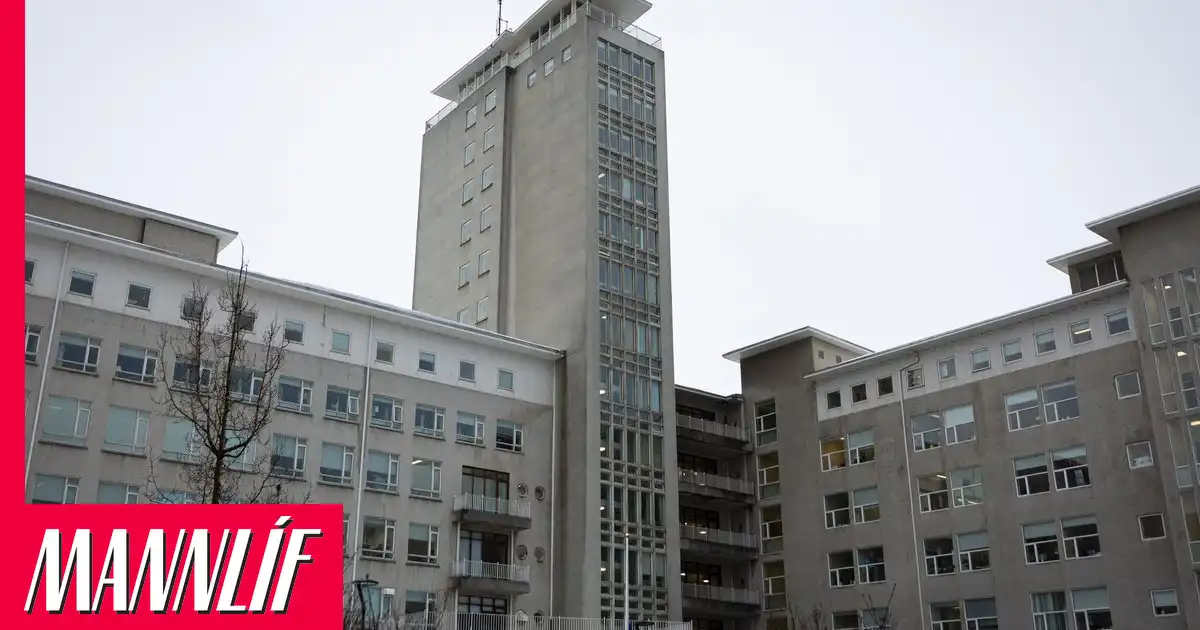
Then, as we prepare to go to print, the first positive description I have read about her will appear in the website for former lifestyle magazine Mannlíf, on April 6, 2026. It will be a public letter from Ragnar Erling Hermannsson, a man who has struggled with homelessness, who met with the mayor while eating at the charity Samhjálp. His impression was very close to mine. He notes that this mayor has a way of listening that is almost shocking for a public figure. Also, like me, he can’t get the Áramótaskaup skit out of his head. He addresses that skit in his letter:
“The woman you made fun of is the same one who came to us at the Samhjálp cafeteria, sat down with us, and listened with sincerity. She is the one who helped those who could least afford it. She is the one who showed us respect when we had little left but hope. It’s easy to mock those in power from a distance. It’s much harder to meet people in real life — and you did, Heiða Björg.”
There is a melancholy as we close our discussion. City Hall is a strange place when elected officials prepare to leave. While the employees cannot go on record regarding the mayor, it is clear she is well-liked in the office.
“I would have liked to get a second term,” the mayor tells me. “But still, I can use my knowledge now to be a better councilor, also, because now I know more about the city than I did before, even though I was a part of the council. I think it is really important that if you get the opportunity to serve as a mayor, to talk straight to the people.”
For all our conversation, on and off the record, the mayor never breaks. She never relents in her optimism, toward her city, her office, and her political party. For me though, her departure seems more ominous. When I leave after our photo shoot, saying goodbye for now to the city office staff, I confess that I can’t imagine being interested in meeting Heiða Björg’s successor.