Motorcyclists and moped users across Spain, including the Canary Islands, face new rules on footwear and protective clothing from 1st October, with fines of up to €200 for failing to comply.
The changes form part of an update to Spain's General Traffic Regulations by the Directorate-General for Traffic (DGT) and will affect both riders and passengers on motorcycles and mopeds.
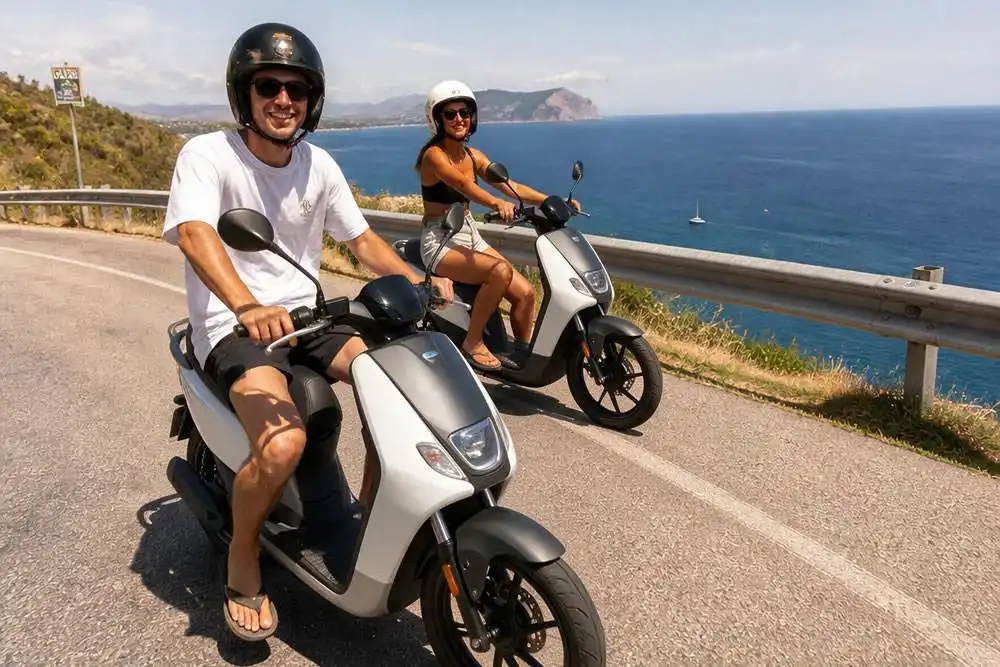
One of the most noticeable changes, particularly in the Canary Islands where warm weather means they are commonly worn, concerns flip-flops and sandals.
Under the new regulations, riders and passengers will be required to wear closed footwear, meaning riding a motorcycle or moped in flip-flops or open sandals will no longer be permitted.
Closed shoes compulsory on all roads
The closed-footwear requirement will apply regardless of the type of road being used, including:
The measure therefore applies even to short journeys around resorts and towns, not just longer journeys on the TF-1, TF-5 or other major roads.
Failure to comply could result in a fine of up to €200.
The change is particularly relevant in tourist destinations such as Tenerife, Gran Canaria, Lanzarote and Fuerteventura, where scooters and motorcycles are widely used by residents and visitors and it is common to see people riding them in summer clothing.
Gloves also becoming compulsory
Protective gloves are another important part of the new rules.
Unlike closed footwear, however, gloves will not be compulsory on every type of road.
Protective gloves will be required on interurban roads, where higher speeds increase the risk of serious injuries to riders' hands in the event of an accident.
The requirement applies to both the person riding the motorcycle and their passenger.
The DGT is also introducing stricter requirements concerning the certification of protective equipment.
Approved helmets are already compulsory, but the regulations reinforce the requirement for motorcycle safety equipment to meet recognised standards.
Motorbikes allowed on hard shoulders in some traffic jams
Another significant change concerns what motorcyclists can do when traffic comes to a standstill.
Motorcycles and mopeds will be permitted to use the right-hand hard shoulder during traffic jams, but this will not mean riders can simply use the hard shoulder whenever they encounter congestion.
It will only be permitted on sections of road where it is specifically authorised and signposted, and motorcycles will be restricted to a maximum speed of 30km/h.
The measure is intended to help motorcycles move safely through congested traffic without turning the hard shoulder into an additional high-speed lane.
Why is the DGT changing the rules?
The measures are part of a wider DGT strategy aimed at reducing deaths and serious injuries among vulnerable road users, including motorcyclists, cyclists and pedestrians.
Motorcycle riders have considerably less physical protection than people travelling inside cars, meaning even relatively low-speed accidents can result in significant injuries.
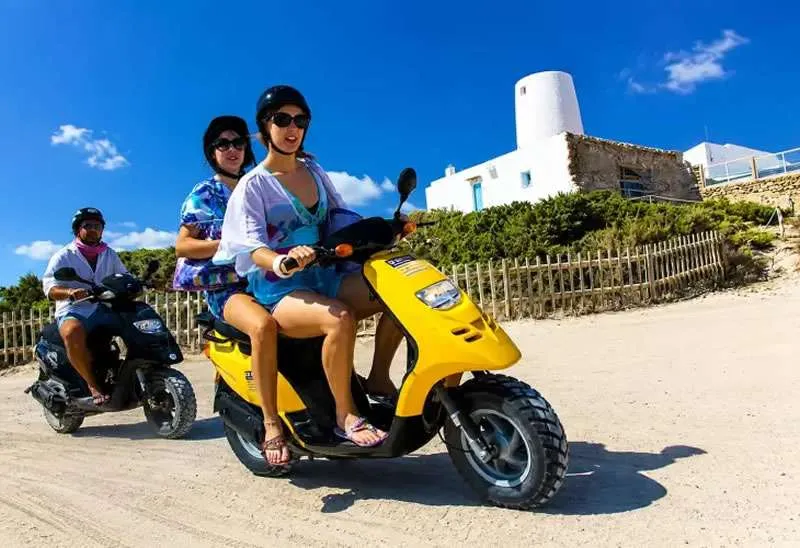
The authorities argue that appropriate footwear and gloves can reduce the severity of injuries, even when riders are only making short journeys or travelling at relatively low speeds.
Particularly relevant in the Canary Islands
The footwear requirement could prove particularly noticeable in the Canary Islands because motorcycles and scooters are used throughout the year and temperatures frequently make shorts, sandals and flip-flops the preferred clothing for many riders.
However, from 1st October, anyone using a motorcycle or moped will need to pay closer attention to what they are wearing before setting off.
For tourists hiring scooters or motorcycles while on holiday, the key points are straightforward:
Failure to follow the new regulations could leave riders facing a €200 fine as well as the increased risk of injury the measures are designed to prevent.