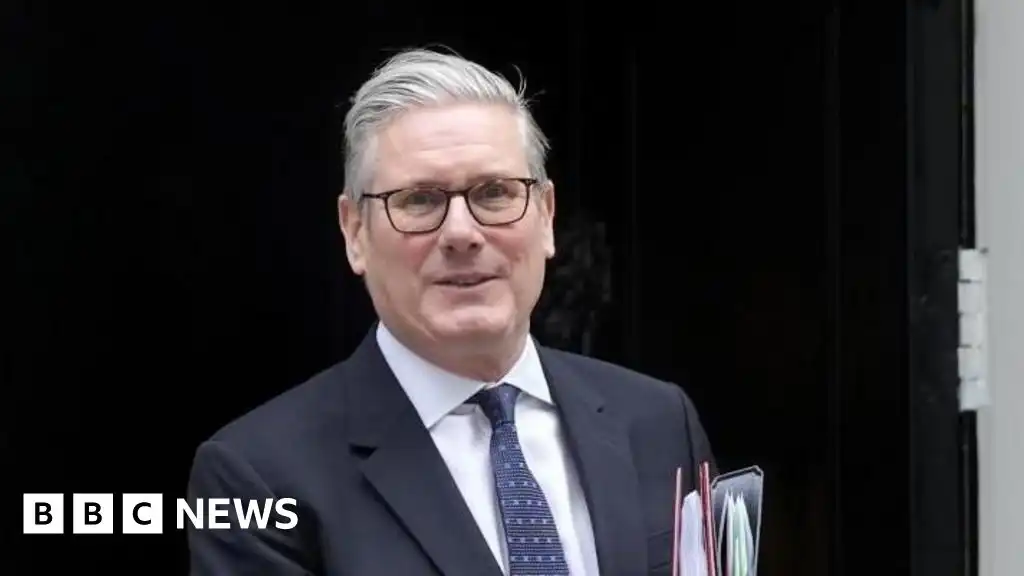
This felt like a different kind of interview with the prime minister from the ones I tend to do.
The big difference was time.
Often, Sir Keir Starmer talks to the broadcast political editors when we are on trips overseas to international summits.
We take it in turns to sit down with him, and often have six or seven minutes each.
Needless to say, that isn't much time when politicians have the capacity to turn one answer into something lasting north of a couple of minutes.
It is one reason why those interviews are often more scratchy and have more interruptions than they might otherwise have.
Interviewers should interrupt to scrutinise and to challenge, but in those interviews we are often doing it because we are running out of time.
It was made very clear to me in this interview that I had the time - and he wanted the time - to develop his answers.
Perhaps little wonder: he has a lot of people to try to persuade.
Downing Street has rung me before when previous tenants appeared on the threshold of the last chance saloon: Boris Johnson and Liz Truss.
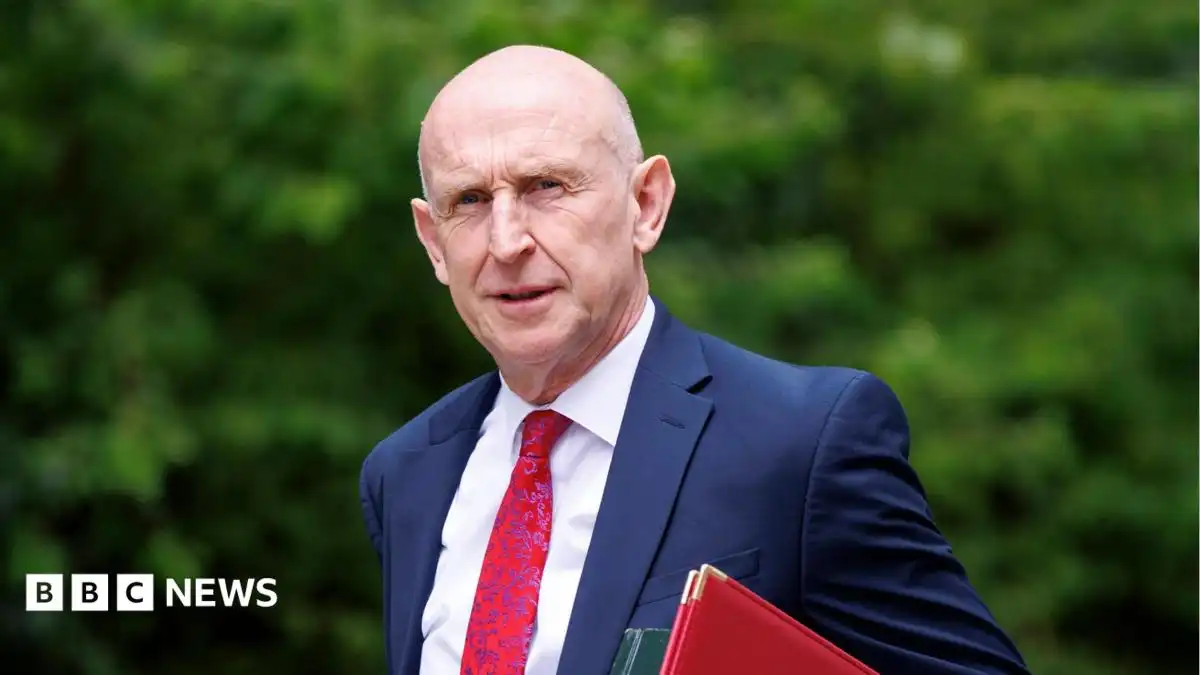
This was Sir Keir feeling the necessity to take on the claim by the now former Defence Secretary John Healey that the country's national security could be imperilled unless much more was spent on defence.
He pointedly said every cabinet minister, every government department, had contributed cuts to their long-term, so-called capital budgets, to provide more for defence. The prime minister himself was involved in plenty of these negotiations, I'm told - and some were pretty hard going, given it required reopening budget deals that had been assumed to have been already settled.
The question for some is whether that was ever likely to be a sufficient mechanism for generating enough money.
The Conservatives, Reform UK, as well as some of those wanting Sir Keir to succeed, such as the former Labour defence secretary and former Secretary General of Nato Lord Robertson, have said the focus instead should be on cutting the rapidly rising benefits bill.
Sir Keir said he did hope that within the coming years that bill could come down.
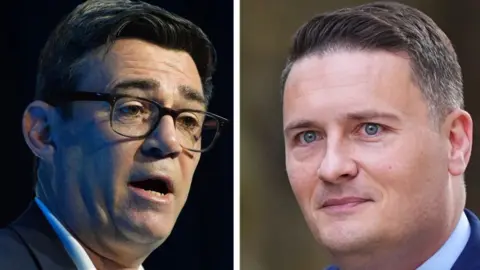
Greater Manchester Mayor Andy Burnham, who could be back in Westminster in a week's time if he wins the Makerfield by-election next Thursday, has told The Times that he is "not squeamish" about cutting the welfare bill.
And former Health Secretary Wes Streeting, another prime ministerial wannabe, was keeping an eye on our interview too.
He said the row over defence spending and the resignation of the defence secretary were symptoms of the "indecision" at the heart of government and any prime minister must "make choices. Decide. Lead." The clear implication was that Sir Keir was doing none of these things.
Both Streeting and Burnham's remarks are a reminder that a shadow leadership contest is well under way.
Which is without question why the prime minister was very keen in our interview to erect the highest bar he could to any wannabe successors triggering a leadership contest.
Sir Keir insisted he wouldn't walk away.
He insisted he would stand in a contest - even if he was the only other contender.
Of course, any prime minister publicly advertising the point in the future they would consider to be the moment to give up would instantly weaken themselves further.
But there is an ongoing defiance and steeliness from Sir Keir.
For now at least.