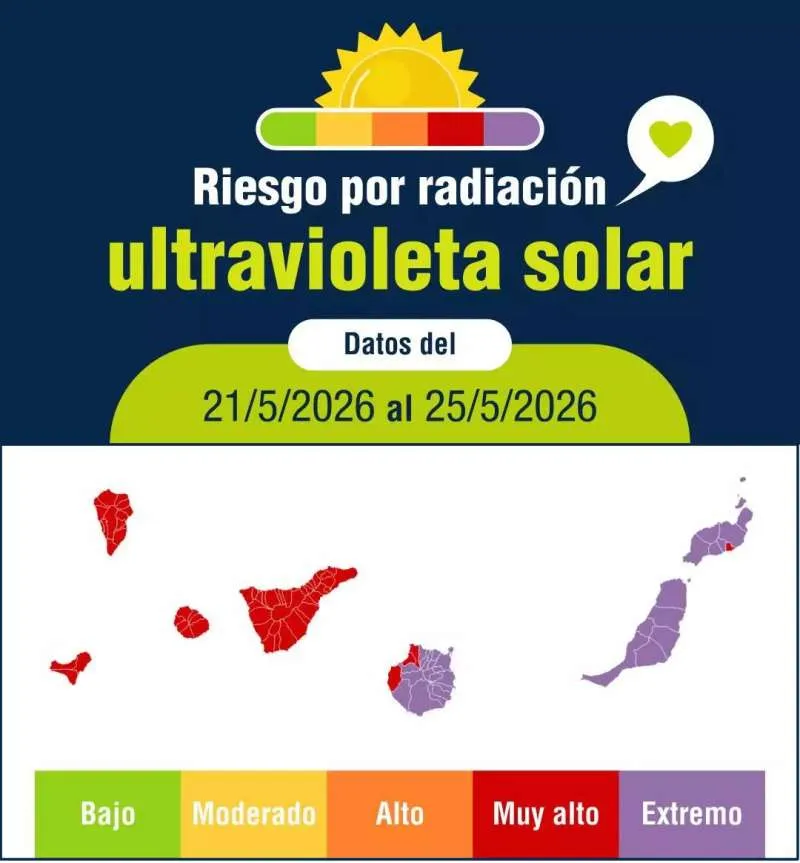
Health authorities in the Canary Islands have raised the ultraviolet radiation risk to “extreme” in several of the islands, warning residents and tourists to take extra precautions as dangerous UV levels continue across the archipelago.
According to the Canary Islands Health Department, UV radiation levels are currently classified as “very high” across all islands, while Fuerteventura, Lanzarote and Gran Canaria have reached the highest “extreme” warning category in many areas.
Officials say prolonged exposure to ultraviolet radiation can cause serious health problems, including DNA damage, severe sunburn, allergic skin reactions, eye conditions and an increased risk of skin cancer, including melanoma. Health experts also warn that UV exposure can weaken the immune system and even reactivate viruses such as cold sores.
The warning particularly affects people who spend long periods outdoors, either for work or leisure, as well as those with fair skin, light eyes or a family history of skin cancer. Children and older adults are also considered especially vulnerable.
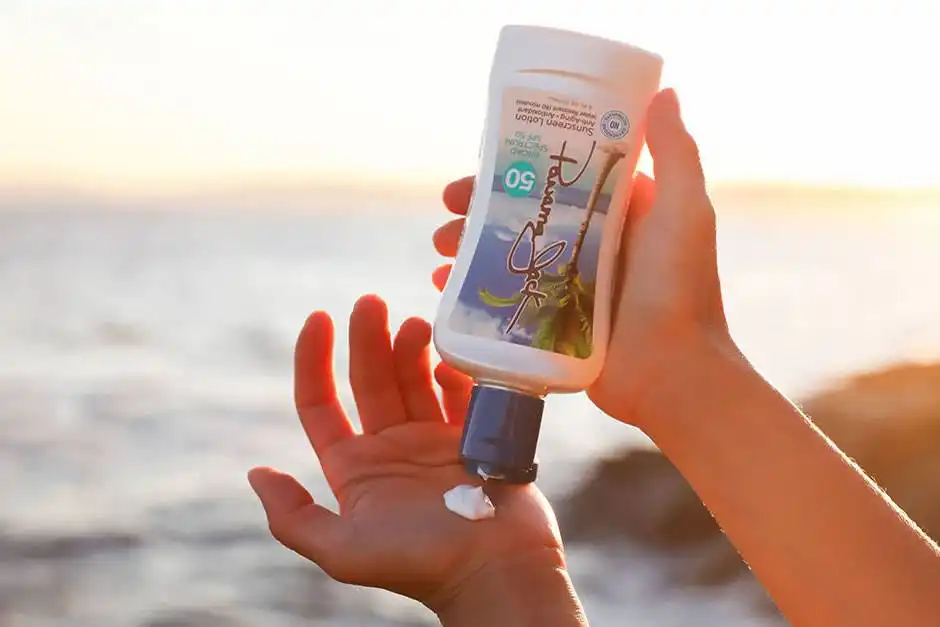
Health authorities are urging people to avoid direct sunlight between 11:00am and 5:00pm whenever possible, stay in shaded areas and wear protective clothing, wide-brimmed hats and approved sunglasses with UVA and UVB protection. The use of SPF 50 sunscreen is strongly recommended, even on cloudy days.
Officials also reminded parents that babies under one year old should never be exposed directly to sunlight, as their skin is especially sensitive and unsuitable for most sun creams.
The Canary Islands regularly record some of the highest UV radiation levels in Spain throughout the year due to their geographical location and climate, with experts stressing that sun damage is cumulative and can have long-term health consequences decades later.