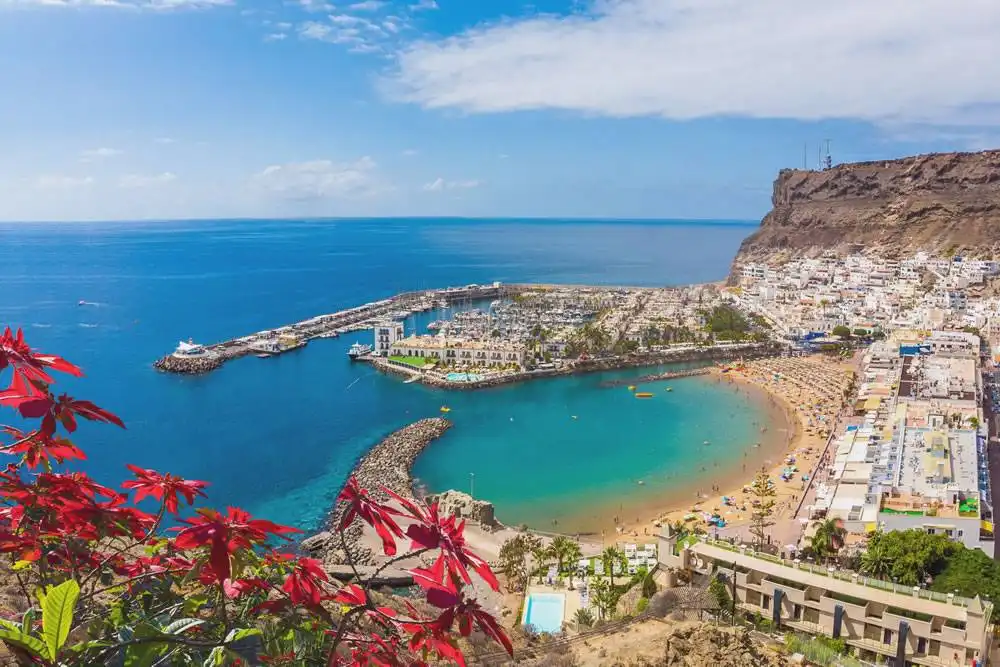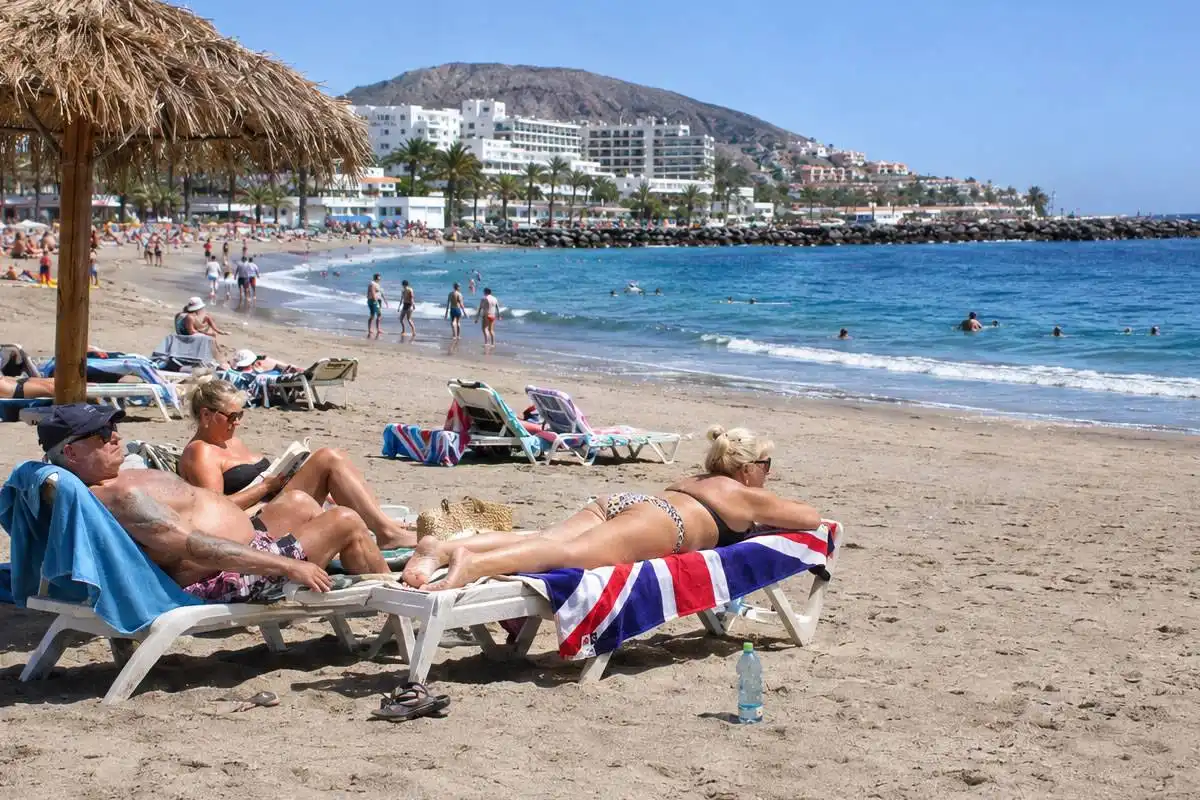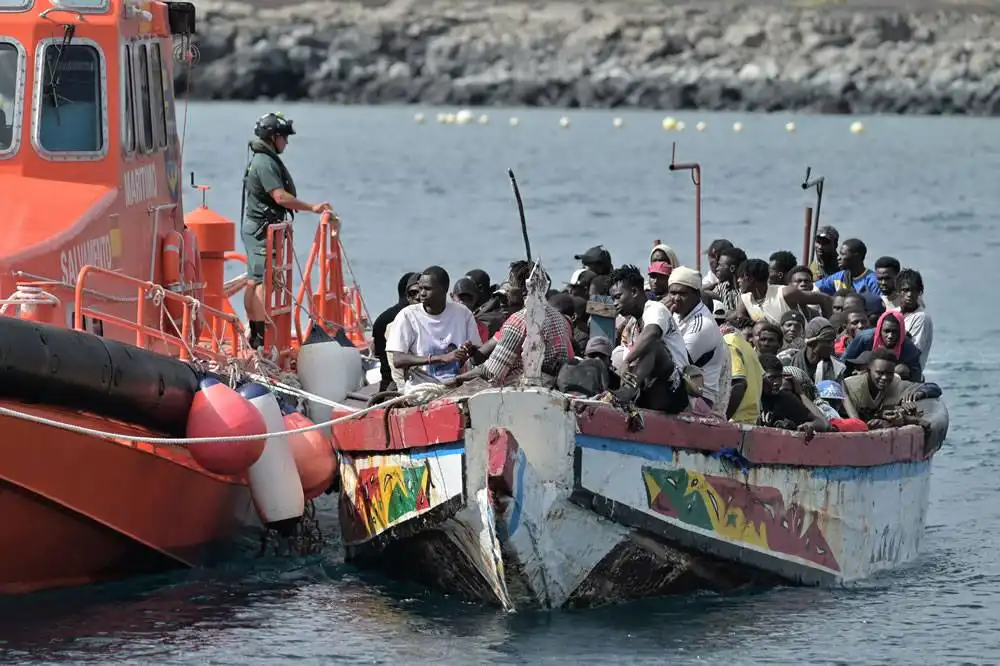
More than 11,000 people have arrived by boat in the Canary Islands during the first 15 days of November, as emergency services and reception facilities face mounting pressure, particularly on El Hierro.
The latest Interior Ministry figures show that 11,037 people arrived in 106 boats between 1st and 15th November. That is already more than the 6,194 arrivals recorded during the whole of October.
So far this year, 24,364 people have reached the islands by boat by 15th November, an increase of 65.9% compared with the same period in 2025.
A provisional count based on rescue and health service information shows that 3,047 people arrived over the weekend: 1,580 on Saturday and 1,467 on Sunday.
Saturday’s total was the highest recorded in a single day on the Atlantic migration route to the Canaries. Most arrivals over the weekend were taken to El Hierro, although boats also reached Gran Canaria and Tenerife.
On Sunday evening, 113 people were brought to Los Cristianos after being rescued around five miles from Tenerife’s coast. None needed to be taken to hospital.
Two more boats carrying 246 people reached La Restinga in El Hierro on Monday. Those arrivals are separate from the official figures, which run to 15th November.
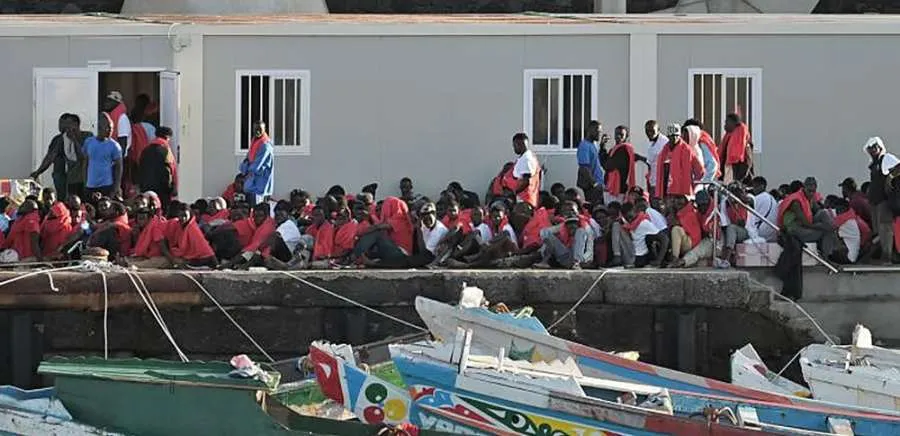
The scale of arrivals has placed considerable pressure on El Hierro’s accommodation and emergency services. On Sunday night, hundreds of people had to remain at the island’s ports because of a shortage of places to stay.
People are being transferred from El Hierro to other islands and mainland Spain. The Spanish Government’s representative in the Canaries said around 2,000 people remained on El Hierro on Monday.
In Tenerife, a temporary reception centre has opened in Granadilla for initial identification. The Government also says the renovated Las Canteras accommodation centre in La Laguna is due to reopen shortly to provide additional space.
Tenerife’s president, Rosa Dávila, has called for more information about how many people are being transferred and where they are staying, so local authorities can prepare the services needed.
People arriving by boat are first assessed by emergency and humanitarian teams at the port. Anyone needing urgent medical care is taken to hospital.
Police then carry out identification and checks, generally at a temporary reception centre. People can receive legal assistance and interpretation, and those who need international protection can apply for asylum.
After the initial process, some adults are offered temporary accommodation in the Canaries or transferred to places on mainland Spain. Children arriving without a parent or guardian are referred to child-protection services.
Some people may be returned to their country of origin where the legal requirements are met. Their cases depend on their individual circumstances.
The Spanish Government’s interministerial immigration commission is due to meet tomorrow, Tuesday, with Canary Islands president Fernando Clavijo attending, to discuss further measures.