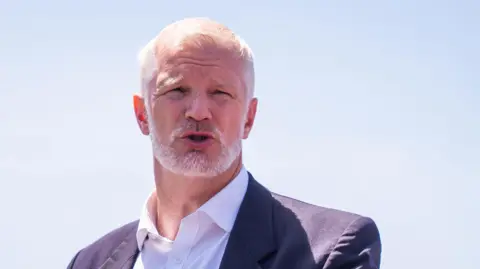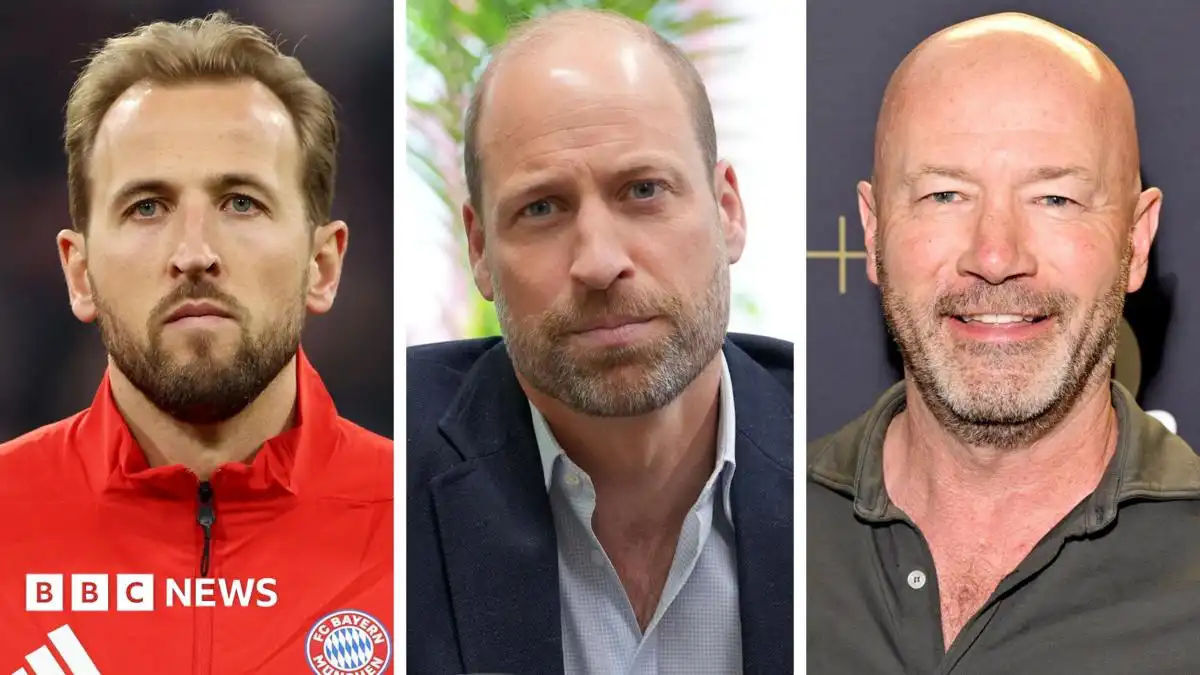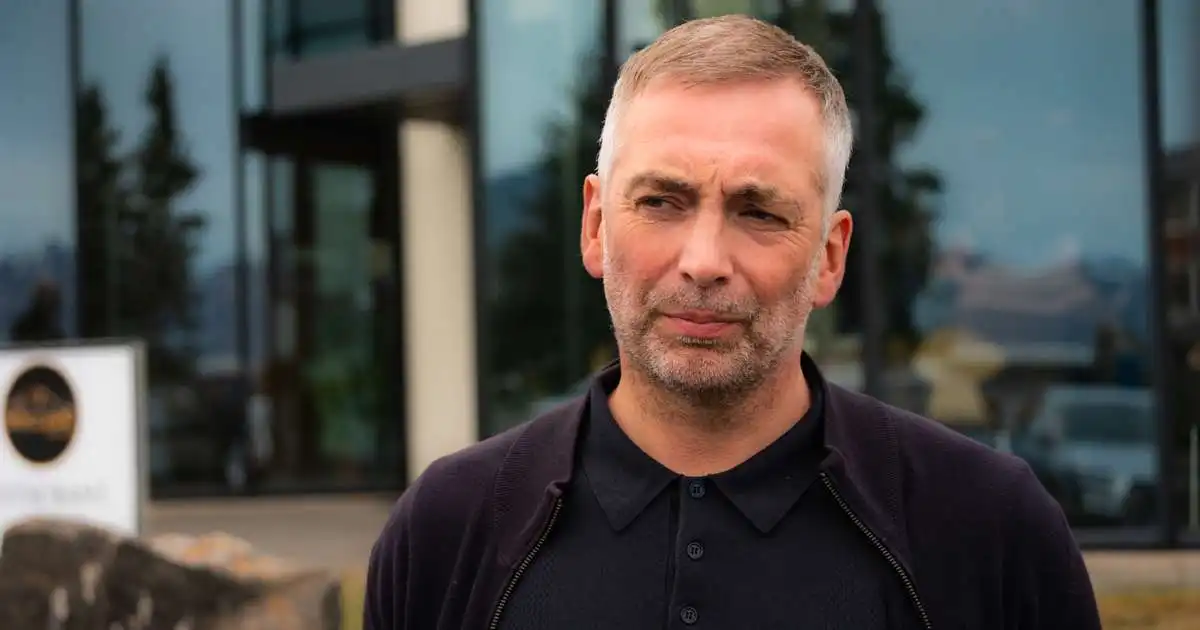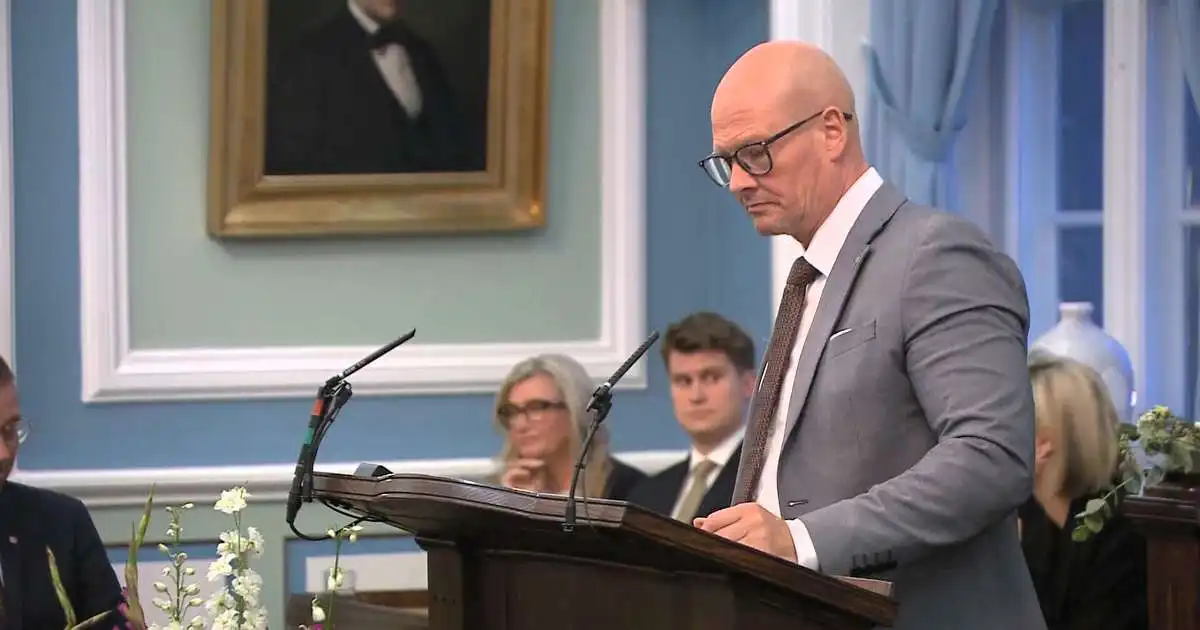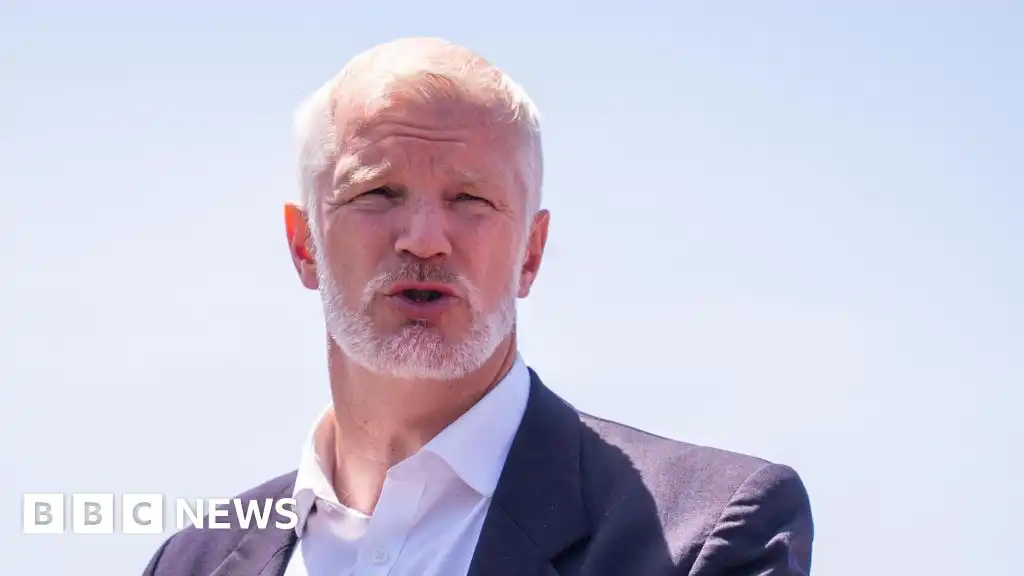
The armed forces minister has followed former Defence Secretary John Healey in quitting the government in a dispute with Prime Minister Sir Keir Starmer over funding for the military.
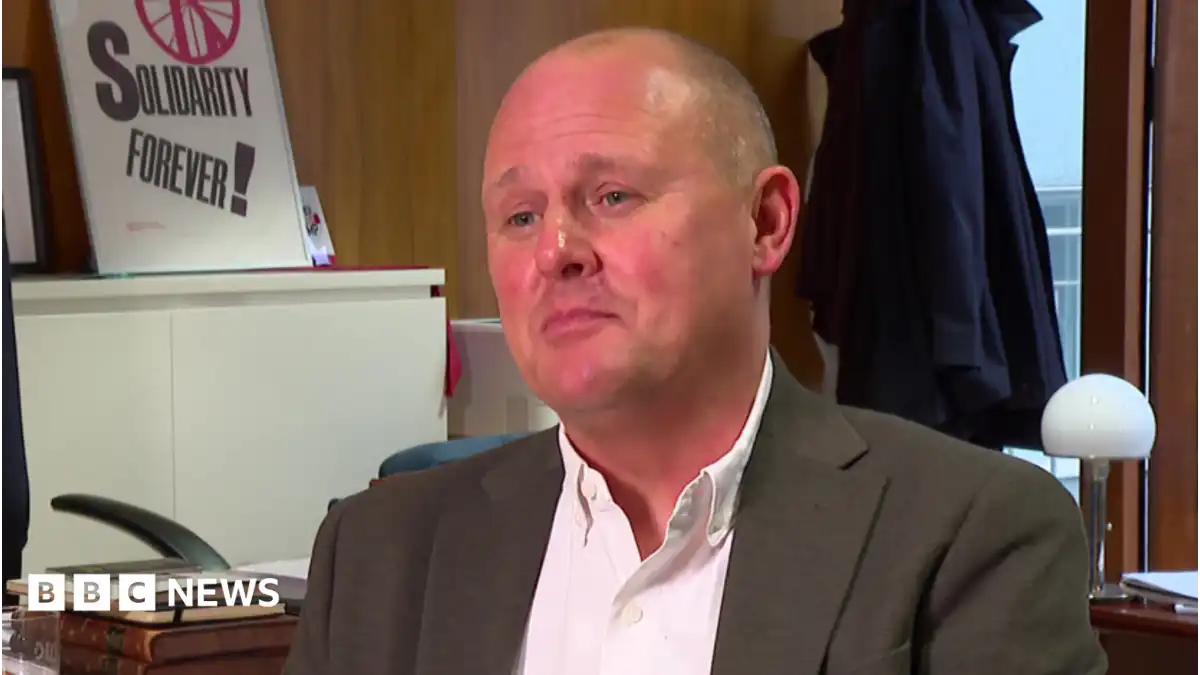
Al Carns resigned on Thursday evening, writing to Sir Keir to tell him the government's defence investment plan (DIP) was "neither transformative enough nor sufficiently funded".
It came after Healey resigned in a scathing letter that said the level of military spending proposed by Sir Keir "falls well short" of what's needed to protect the country.
Dan Jarvis, the security minister and a former British Army officer, was appointed to replace Healey in the cabinet role on Thursday evening.
Sir Keir has yet to respond to Carns' exit. In his response to Healey's resignation, the prime minister said he was "proud of our record on funding", adding the defence funding plan "will provide the resources our military needs to keep us safe".
Only an hour or so before his resignation, Carns had suggested he was willing to wait until the DIP was finalised before considering his position in government.
But shortly after strikingly candid interviews with Sky News and the BBC, he posted his resignation letter to X, writing he could not defend "a level of investment I know to be inadequate to the task".
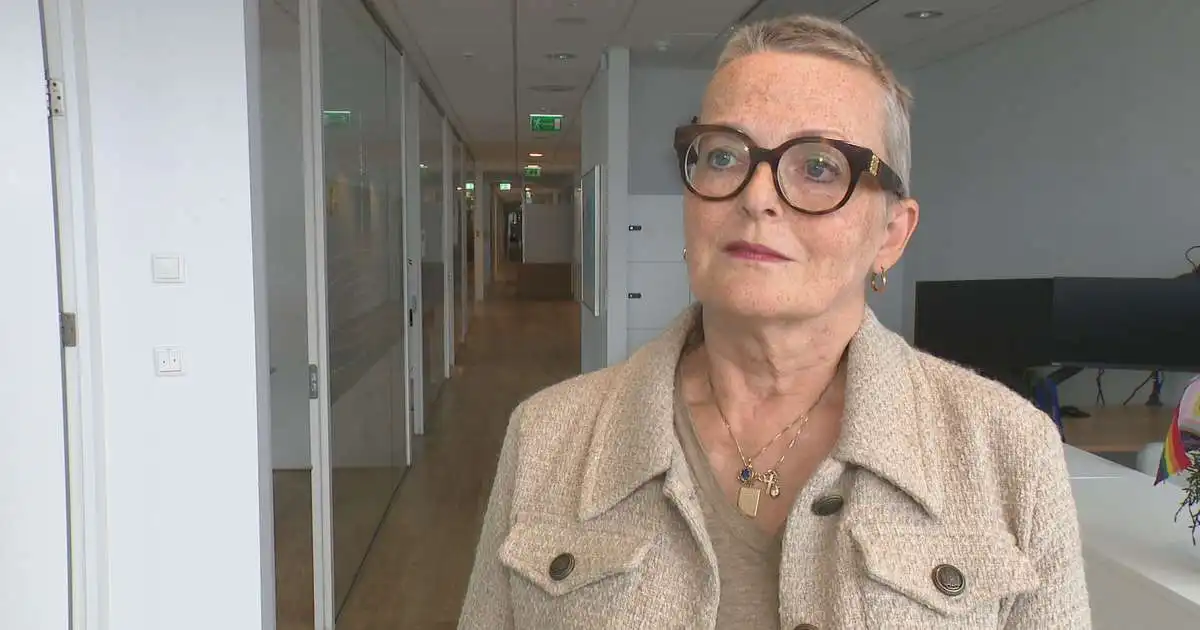
Labour MP Pamela Nash has also quit as Healey's parliamentary assistant at the Ministry of Defence.
In her letter to the prime minister, Nash said "delays and difficulties with securing the necessary funding to progress the defence investment plan has been the latest issue that is damaging to the trust of the public in us".
The BBC understands Healey had asked other defence ministers to remain in post.
The resignations have left the government reeling and have further sapped the authority of Sir Keir, whose long-term future in Downing Street was already in doubt.
Healey's decision to quit is a particularly big blow to Sir Keir, given the former defence secretary was one of the prime minister's most loyal cabinet allies.
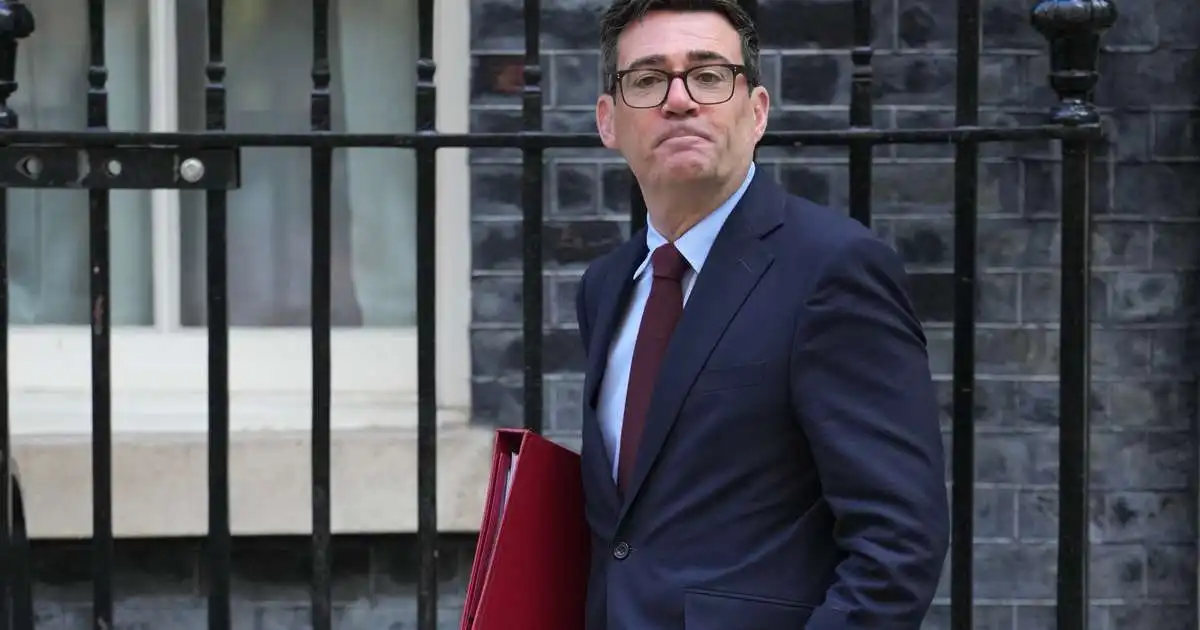
It also comes a week before a crucial by-election in which Labour candidate Andy Burnham is seeking a return to Westminster to enable him to challenge Sir Keir for the premiership.
Healey is the second cabinet minister to resign from Sir Keir's government in recent weeks, after Wes Streeting quit as health secretary having "lost confidence" in the PM's leadership.
Sir Keir has faced calls to resign within his own party following a poor set of election results in England, Scotland and Wales last month, although he has told supporters he will stand in any Labour leadership contest.
His new defence secretary Jarvis now faces the daunting task of helping Sir Keir finalise a defence investment plan that his predecessor had said "could make the country less safe" in its current form.
Announcing Jarvis as his new defence secretary, Sir Keir said "we will give our armed forces the capabilities they need to defend Britain and keep our nation secure".
Last year's Strategic Defence Review (SDR) outlined a shift towards "warfighting readiness" to deter threats and pledged billions in extra spending for additional ammunition, next-generation fast jets, drones, and new attack submarines.
The DIP is supposed to set out how this defence spending will be funded.
But internal wrangling over defence spending has been rumbling on for months following multiple delays to the DIP, which was originally due last autumn.
The issue has come to a head in the run-up to a summit of the Nato military alliance in Turkey next month, which the prime minister had set as a public deadline to announce the blueprint.
Reports have suggested the government was preparing to announce a £13.5bn funding increase for the Ministry of Defence (MoD) over the next four years, less than the extra £28bn requested by the department.
In his letter, Healey expressed concern that the DIP financial settlement, which he received on Monday, was "backloaded" when the "pressure of operations and imperative to speed up readiness to fight is in the first two years".
He said the prime minister had been "unable" and the Treasury "unwilling" to "commit the resources that the nation needs to defend the country at this time of rising threats".
But in a letter responding to Healey, Sir Keir insisted the DIP would provide "the resources our military needs to keep us safe and the clarity the British defence industry needs to plan".
"The increases in spending that underpin this plan will be sustainable and fair," Sir Keir said. "They will mean significant reallocations of funding from across government departments and the right choices to protect our nation."
He added: "Irresponsible borrowing only puts that at risk. Taking these decisions is never easy."
The government has committed to spending 3.5% of gross domestic product (GDP) – a measure of the size of the economy – on defence by 2035, but is yet to spell out how it will pay for this commitment.
Sir Keir has said the government is cutting other areas of spending to fund defence.
The details of the cuts have not been confirmed, but reports suggest Sir Keir is asking all government departments to trim their capital budgets by 1% to raise £6bn towards defence.