Online income is growing, but not evenly. Upwork’s Future Workforce Index found that 38% of skilled U.S. knowledge workers now freelance, up from 28% in 2025. Another 58% of full-time employees said they were considering freelancing.
A year earlier, that figure was 36%. The stronger areas in 2026 are specialist freelance work, creator businesses and content that can support more than one revenue source.
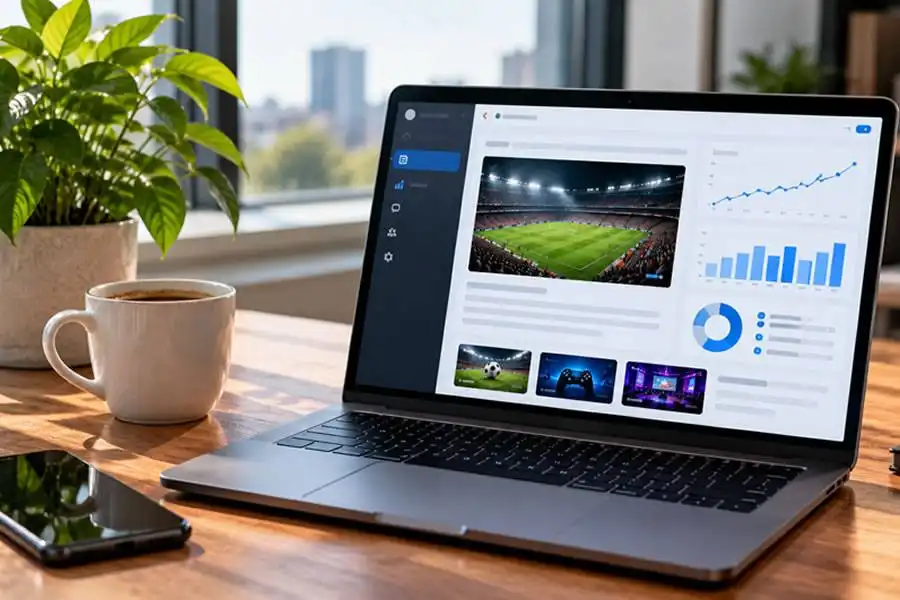
Publishing is part of that picture. A football or esports site may build guides around vippari and similar services, then earn from the traffic those pages attract. Advertising is one option. Sponsorships are another. Affiliate agreements may also generate revenue where they are available. The money comes from the content and its audience, not from the result of a bet.
Upwork’s AI figures do not move in the same direction.
Freelancers doing AI-related work earn 34% more per hour than those not using AI. Generative AI and creative-production contracts grew 90% year over year. Average earnings per contract, however, fell 13%.
Professional services using AI produced a different result. Contract starts rose 72%. Earnings increased 22%.
June hiring data adds another distinction. Demand for AI Apps & Integration was up 34% month over month. It was also 33% higher year over year. QA testing among small and medium-sized businesses increased 20%.
Basic output is not where all of the value is landing. Work that requires integration or review appears to be holding up better. Specialist judgment is harder to replace with volume alone.
The IAB puts U.S. creator advertising at around $44 billion in 2026. In 2021, it was $13.9 billion.
YouTube says its Partner Program now includes more than 3 million creators.
Platform advertising is only one part of that market. A creator may earn from:
Direct subscriptions offer another route. Substack keeps 10% of each subscription payment before Stripe processing and billing fees. Patreon applies a 10% standard platform fee to creator pages published after August 4, 2025. Processing is charged separately.
Sports publishers can use the same structure. Match analysis may bring search traffic. Esports coverage can build a returning audience. Payment guides and operator explainers can support affiliate content later. The traffic has to exist first.
Awin’s figures show a clear shift toward creator-led affiliate traffic.
Creator representation in its Power 100 increased 180% from 2024 to 2026. Registrations through its influencer app have also been running at roughly twice their 2024 levels during 2026.
Instagram still leads, though its share as creators’ main platform fell from 78% in 2024 to 62% in 2026. TikTok moved from 6% to 15%. YouTube rose from 8% to 14%.
That gives smaller specialist publishers more room. A site covering betting or gaming might publish a mobile guide around vippari indir, then explain app access, payments or device support in the same article. If an affiliate agreement exists, that content can also generate referral revenue.
Betting and casino publishers often use CPA terms. Revenue-share agreements are also common. Some programs combine the two. None offers a fixed return.
Location can change the value of the traffic. Conversion rate matters too. Different markets can also produce very different affiliate results.
A writer does not need a huge audience to sell a report. A designer may do the same with templates. Developers can package small tools for a narrow group of users.
That changes the economics. One buyer can be worth far more than a page view.
Digital products can also sit beside client work. They do not have to replace it.
A $1,000 invoice may be worth less by the time the money is ready to spend.
A freelancer can bill in dollars but live in another currency. Creator payouts may arrive through a bank. Affiliate income might use a payment processor instead. Stablecoins add another route.
The exchange rate can cut into the total. So can a withdrawal fee. Conversion spreads are easier to miss.
The stronger income streams in 2026 are not entirely new. What has changed is where the money is holding up. Specialist work looks stronger, while the same audience can now support more than one source of income.