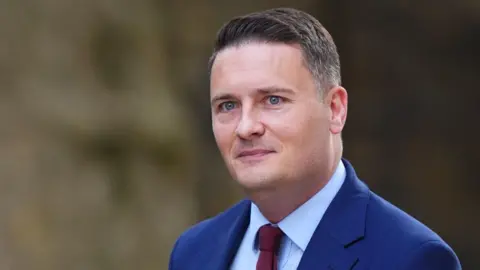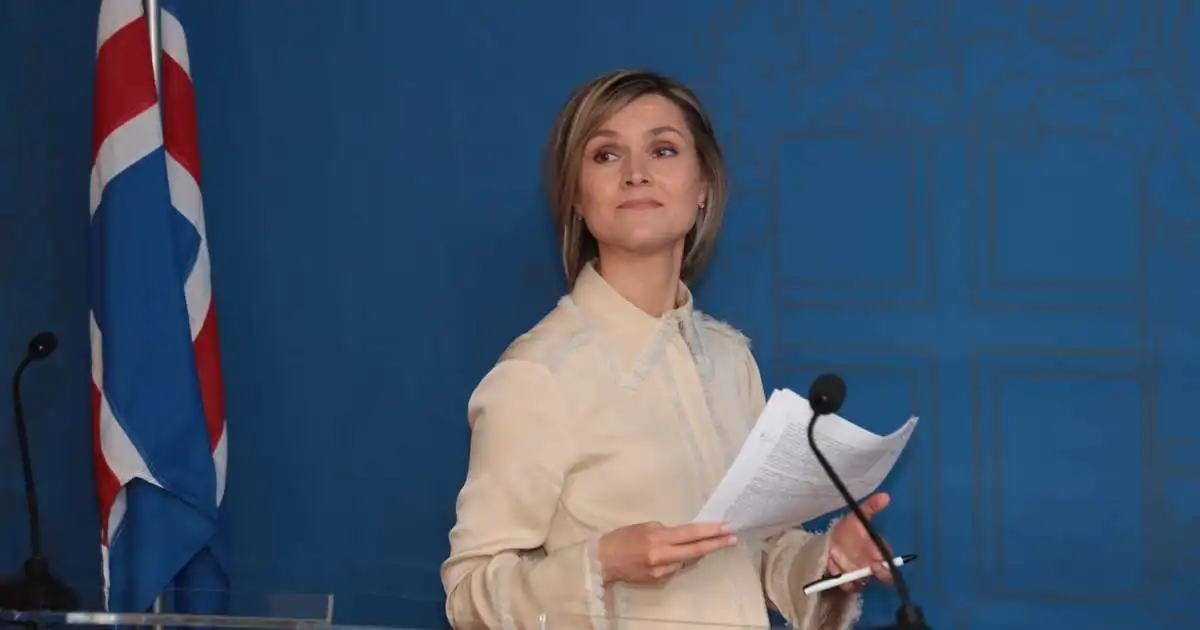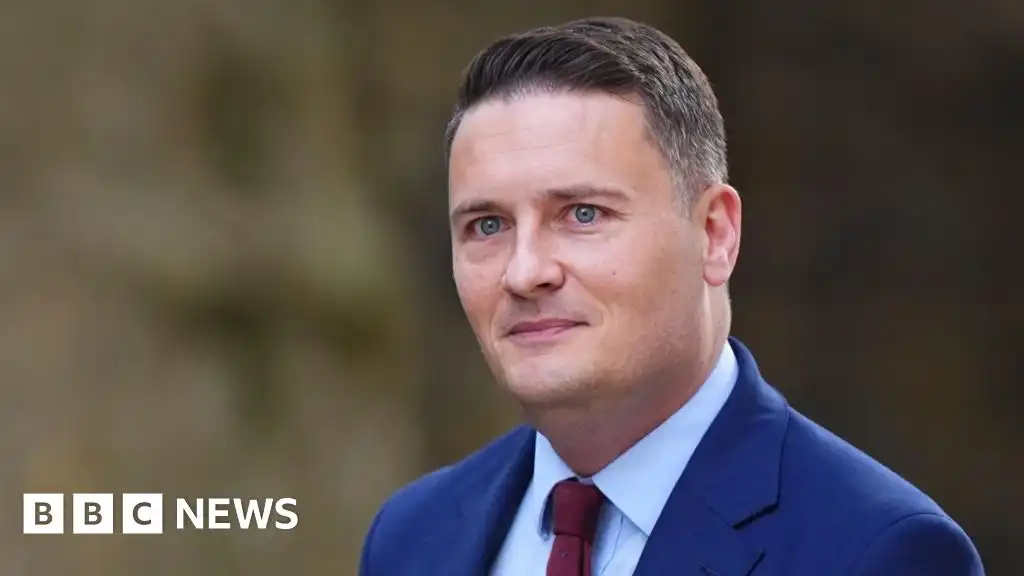
Former health secretary Wes Streeting has backed banning under-16s from social media in the UK, accusing regulators and politicians of being "asleep at the wheel" on the issue.
Streeting, who recently resigned from Prime Minister Sir Keir Starmer's cabinet, told BBC Radio 4's Today programme that big tech had used tactics similar to big tobacco in designing addictive platforms that posed harms to children.
"The precautionary principle should apply here," he said - adding that the government should act quickly and the UK is "behind the curve" on the issue.
The prime minister vowed on Tuesday to take "decisive" action to tackle the impact of social media on children.
"I'm absolutely clear that this needs to be something where there's a game changer, so we will be acting," Starmer told reporters.
"The question is only what we do, and that will be coming very quickly because we took powers earlier this year to make sure we can act very, very quickly."
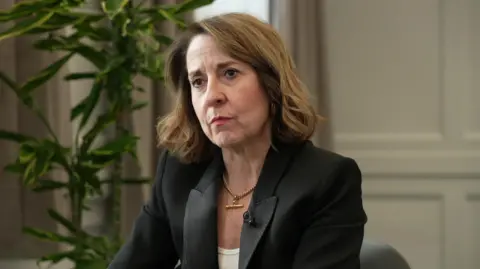
It comes after technology Secretary Liz Kendall said new measures for under-16s would be brought in by the end of 2026.
The government's consultation on the matter, which has been running since March, closes on Tuesday night.
Banning social media for children, as has happened in Australia, is one of the options being considered.
Kendall said a response to the consultation would be published in the summer.
Campaigners are split on whether an outright ban on social apps for children is the best approach.
Since March, the government has been asking parents and children if measures including app curfews and stronger age checks would improve online safety, and trialled these in some UK homes.
"The question isn't whether we're going to act - we will," Kendall told the BBC.
She said the government's scope was looking at a broad range of issues and features and how these affected children.
This could see the UK look more closely at platforms not covered by Australia's restrictions, such as Roblox and Discord.
But Kendall said the government wanted to hear "all views" from the consultation, which closes at the end of Tuesday.
"We've got to get this right, and we've got to make it last," she added.
Streeting said he was now "liberated" to speak more freely about the issue since he quit his government post, but said he trusted Kendall "to act quickly following the closure of the consultation today".
The consultation has seen 70,000 submissions from charities, campaign groups and members of the public who have given their views on a ban or other interventions.
People were also asked for opinions on possible restrictions, including night-time curfews or features such as auto-play and infinite scroll being disabled.
It also included questions about children's access to AI chatbots, and if enforcement of age checks should be strengthened.
A number of organisations, ranging from police leaders to children's groups and trade bodies, have already shared views on what should be done.
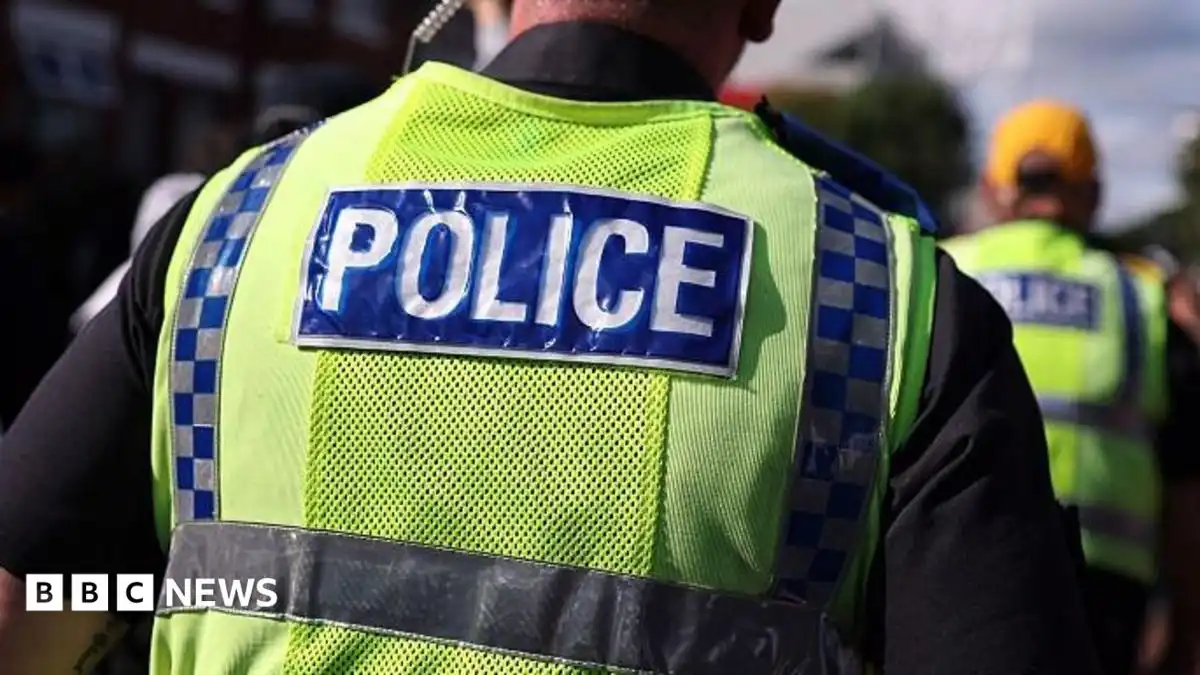
Police leaders recently called for the government to target features instead of apps, saying those making "high-risk" features like private messaging available to children should be banned for under-16s.
Donya Soni-Clark, associate director of trade association TechUK, also told Today that "regulating by features, not by platform" would be the best way forward.
Meanwhile in a submission published on Tuesday, the Academy of Medical Royal Colleges, said doctors should routinely ask younger patients about their device and social media use.
Its response, which presented screen time and social media use as a parallel problem, also cited examples of physical and mental health issues caused by watching extreme violence online.
There is no consensus among the wider scientific community that screen time overall is harmful to children.
But Academy Chair Jeanette Dickson said that like smoking or seatbelts before, the issue had become a "unifying force" for the profession.
It is not the first time screen time and social media have been likened to smoking in posing risks to people's health and wellbeing.
There have been frequent calls in recent years for warnings similar to those on cigarette and tobacco products to be used to highlight risks of using social apps for young people.
A recent California lawsuit which saw a young woman successfully sue Meta and YouTube over her childhood addiction to social media has been declared a "big tobacco" moment for big tech.
Streeting told Today that tech whistleblower testimonies over the years had highlighted similar industry practice and awareness of known harms.
"They know that the product they're designing is addictive, they know that it is harmful, and the business model is orientated towards getting kids while they're young," he said.
A number of groups have backed banning social media for under-16s.
Ellen Roome's son Jools died at the age of 14 in 2022. She is among bereaved families and campaigners who will meet Prime Minister Sir Keir Starmer on Tuesday to urge the government to demand he swiftly raises the age of access for social media platforms deemed harmful to 16.
"Later today, I, and other families who have lost children to social media, will tell the prime minister directly: social media is a product, and like any other faulty product causing the deaths of children, it should be restricted until the companies responsible have fixed it and proven it is safe," Roome said.
Lord Nash, a former Conservative education minister, said the government had committed to parliament that it would introduce some age or functionality limits on social media for children.
He said it must "deliver on that commitment fully and in the shortest possible timeframe."
But other campaigners believe stopping social media access would fail children.
Reports of children in Australia being able to access sites supposedly blocked for under-16s have raised concerns over the law's effectiveness.
Ian Russell, chair of the online safety charity the Molly Rose Foundation, has previously said the government should enforce existing laws rather than bring in "sledgehammer techniques like bans".
An open letter signed by child safety charities said the government should make tech firms align with the British Board of Film Classification (BBFC), which determines film age ratings, to protect teens "in line with the same high standards applied to film released in UK cinemas".
"Hundreds of millions of websites are already classified to our standards and filtered by the mobile network operators," the BBFC's Chief Executive, David Austin, told the BBC.
"Why can't social media companies do the same in terms of their content? The answer is they can," he said.
It is unclear which tech platforms have responded to the government's consultation or proposals to ban social media for under-16s in the UK.
But Meta, which owns Facebook, Instagram and WhatsApp, has said it wants age verification to be handled on a device level, so underage children would be blocked from downloading certain apps.
Kendall told the BBC she would take action even if big tech pushes back.
"No one's going to stop me from doing what I think is right for this country," she said.
Sign up for our Tech Decoded newsletter to follow the world's top tech stories and trends. Outside the UK? Sign up here.