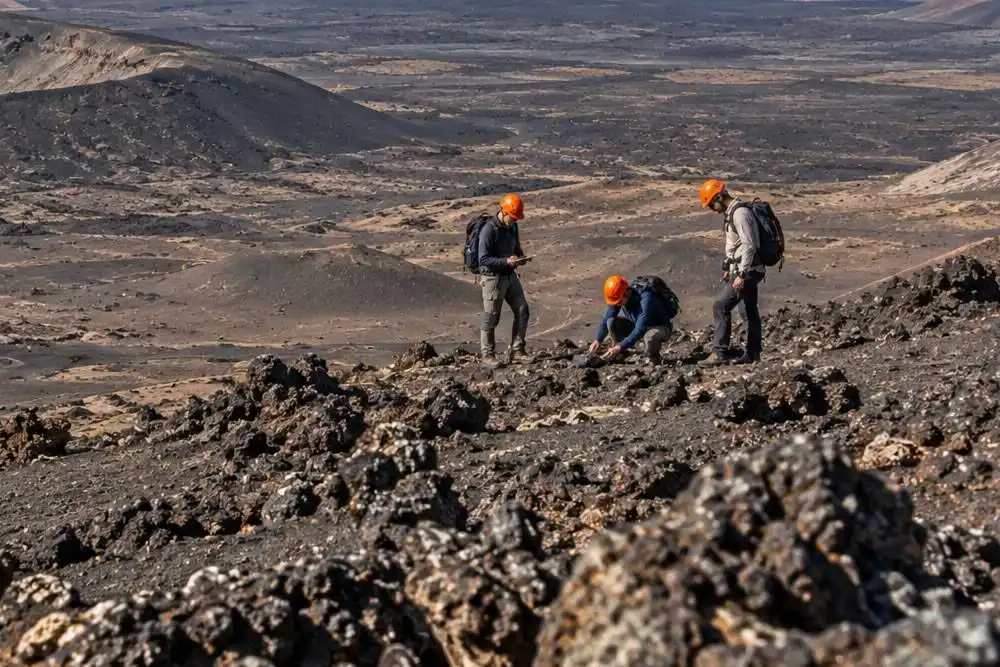
Lanzarote has once again become a training ground for space exploration, with astronauts using the island's volcanic landscape to prepare for future scientific missions to the Moon and Mars.
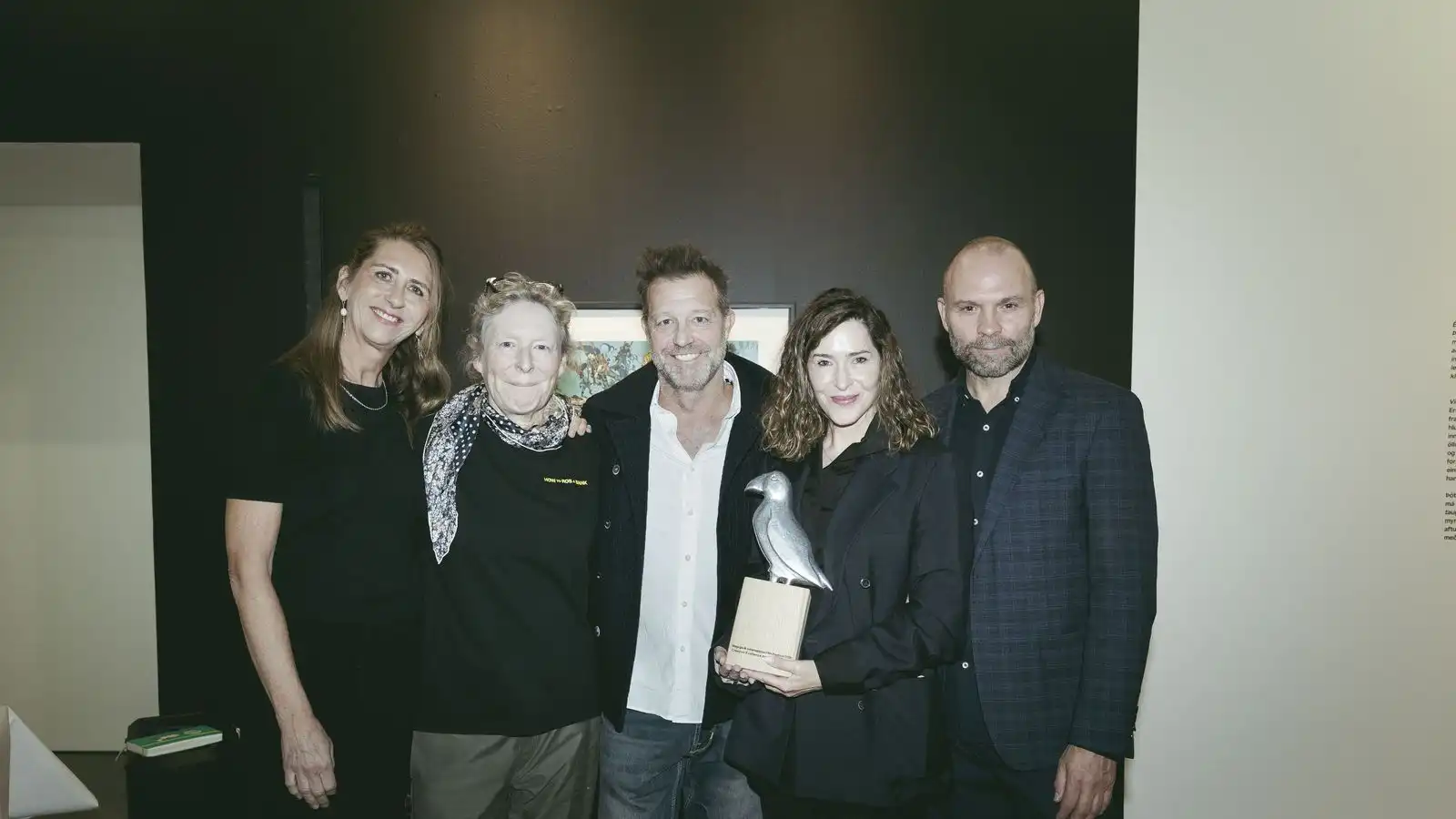
The European Space Agency's PANGAEA programme has brought ESA astronaut Pablo Álvarez Fernández, NASA astronaut Jasmin Moghbeli and Japanese space agency astronaut Kimiya Yui to the island for intensive geological field training.
Lanzarote has been chosen for the final stage of three weeks of training which also included work in Italy and Germany.
Its extensive basaltic terrain and exceptionally well-preserved volcanic formations make the island particularly valuable for teaching astronauts how to interpret landscapes they could encounter during planetary exploration.
During their time in Lanzarote, the astronauts have carried out geological traverses, identified volcanic features and studied rocks and lava flows while learning how to select scientifically valuable samples.
One of the exercises took the team to Caldera Blanca, where the landscape provides an opportunity to study lava flows with similarities to the vast basaltic plains found on the Moon.
The astronauts were also tasked with looking for evidence of interaction between water and volcanic activity, an important consideration in planetary science and the search for evidence of conditions capable of supporting life.
Technology is also part of the training. The astronauts used spectrometers, microscopes and ESA's Electronic Field Book, a digital system designed to help future explorers map routes, record samples and communicate observations to scientific teams.
Pablo Álvarez acted as commander during one of the expeditions, while Moghbeli documented observations and Yui led the exploration.
ESA says this year's exercise demonstrated a high degree of independence from the astronauts, with the science team monitoring their progress remotely while receiving images and measurements from the field.
Álvarez described Lanzarote as an exceptional place to learn about the geological conditions astronauts could encounter during future lunar exploration.
The PANGAEA programme has now been using Lanzarote for a decade, and around 30 astronauts have undergone training on the island.
The programme is designed to ensure future crews are not simply able to travel to destinations such as the Moon, but can also recognise, document and collect scientifically important geological material once they get there.