The Canary Islands have spent years trapped inside the same postcard stereotype: black sand beaches, packed resorts, and winter sun keeping the charter flights rolling in. That tourism machine still ticks along nicely, but another industry has started building offshore, and it has nothing to do with holidaymakers.
Over the past year, the archipelago has quietly turned itself into Europe’s boldest open-water testing ground for blue energy and sustainable ocean technology:
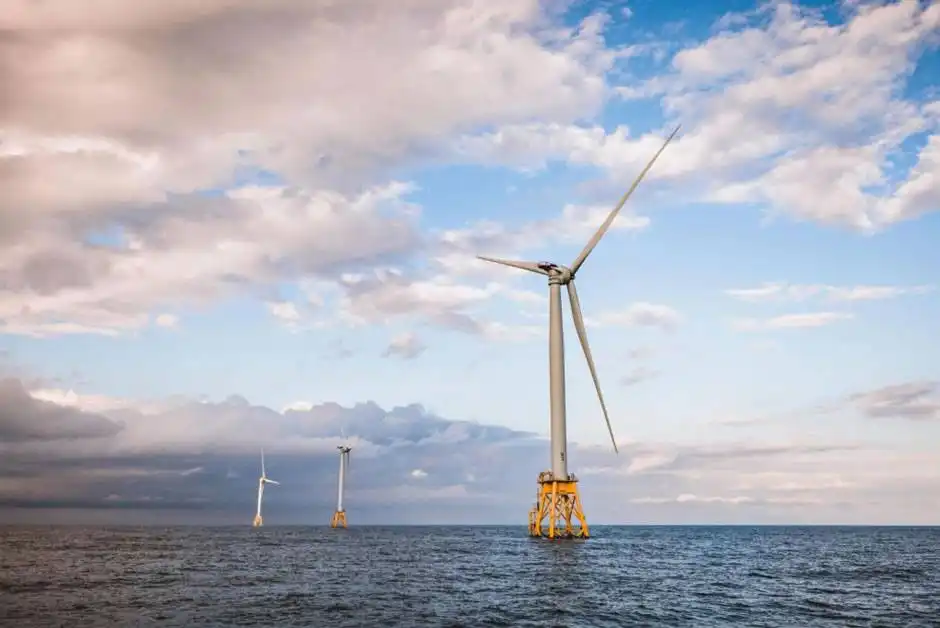
The biggest breakthrough landed in April 2026, when Global OTEC finished installing the world’s first purpose-built floating ocean thermal energy conversion platform at the PLOCAN test site off Gran Canaria. OTEC tech produces constant electricity by tapping into the temperature difference between warm surface water and the freezing cold water sitting deep below the ocean.
The Canary Islands setup pushed the whole system offshore, cutting required pipe length by roughly eighty percent and finally fixing the engineering headache that sank earlier attempts.
A fifty-metre deep-water intake riser now links the floating platform to the colder layer underneath. Engineers built the riser from high-density polyethylene, chosen specifically because it can flex under rough marine conditions without getting chewed up by salt and pressure.
For island nations currently burning expensive imported fuel for electricity, a learning curve akin to what wind and solar went through is now underway.
A similar appetite for technological reinvention is reshaping digital industries far from the open ocean. Platforms operating with $10 Neosurf payment atMinimumDepositMaster have been quietly introducing backend architecture that mirrors the pace of innovation seen at PLOCAN.
Several technologies now define the cutting edge across minimum deposit online casino platforms:
A Neosurf casino minimum deposit model no longer signals a bare-bones operation. Many platforms running these technologies now offer the same adaptive interfaces, real-time risk scoring and personalised retention features once reserved for high-roller rooms.
Operators competing in the low deposit casino space invest in the same modular infrastructure principles visible in the Canary Islands offshore projects.
Back out in the Atlantic, the AquaWind project has just wrapped up forty-five months of testing, and the results punch a fair hole in the old idea that energy production and food farming can’t share ocean space.
The setup paired a floating wind platform carrying two turbines with an automated aquaculture farm stocked with juvenile gilthead sea bream, all running side by side at the same PLOCAN site hosting the OTEC project.
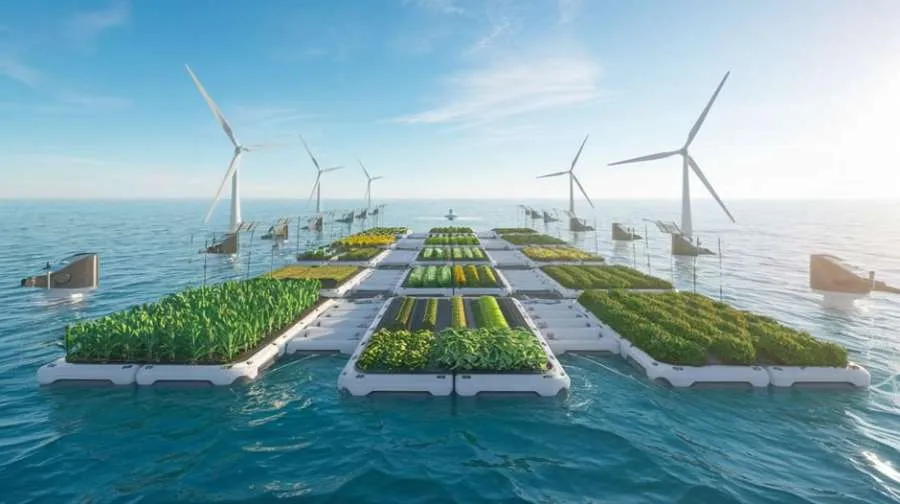
What came out of the trials was pretty clear: renewable energy and fish farming can work together without getting in each other’s way. That matters in a region where tourism, shipping, and commercial fishing already cram the coastline hard enough as it is.
The project collected over one hundred and twenty industry contributions across the Canary Islands, with the data showing that integrated multi-use platforms are perceived as an economic opportunity rather than a problem.
Beneath the flagship prototypes, a quieter effort has been mapping whether local industry can actually support a marine renewables sector at commercial scale.
The Blue Supply Chain project analysed 4,600 regional companies and identified 433 with genuine capacity to integrate into the marine energy value chain.
The firms span:
The study found that even with the usual headaches tied to isolation and limited market size, the Canary Islands still have a strong base to cut outside dependency and pull in serious investment.
Port authorities in Santa Cruz de Tenerife have already started mapping out dedicated zones and setting technical standards for offshore wind infrastructure. Strategic upgrade plans are now moving into the tender stage as the region pushes harder into large-scale ocean energy development.
The Canary Islands now sit at an inflection point familiar to any region transitioning from demonstrator to commercial player. The next phase depends on whether Spanish and European authorities can streamline multi-use ocean platform approvals quickly enough to prevent the innovation from stalling at the demonstration stage. For a group of islands long defined by what arrives on aeroplanes, the future now looks increasingly toward what rises from the surrounding sea.