The Canary Islands are the kind of place I’d bring up when friends start talking about a holiday that feels different from the usual beach trip. You can spend the morning walking through volcanic terrain, hear a whistled language shaped by mountain valleys, and end the day eating potatoes with mojo.
The islands are Spanish, but their location off the northwest coast of Africa, their Indigenous heritage, and their Atlantic history have given them a character all their own.
FUN FACT: The islands came before the bird. Yep… the bird got its name from the islands, not the other way round!
The Canary Islands are an archipelago of eight main inhabited islands in the Atlantic Ocean, relatively close to Morocco and Western Sahara. Their volcanic origins explain much of what makes them interesting.
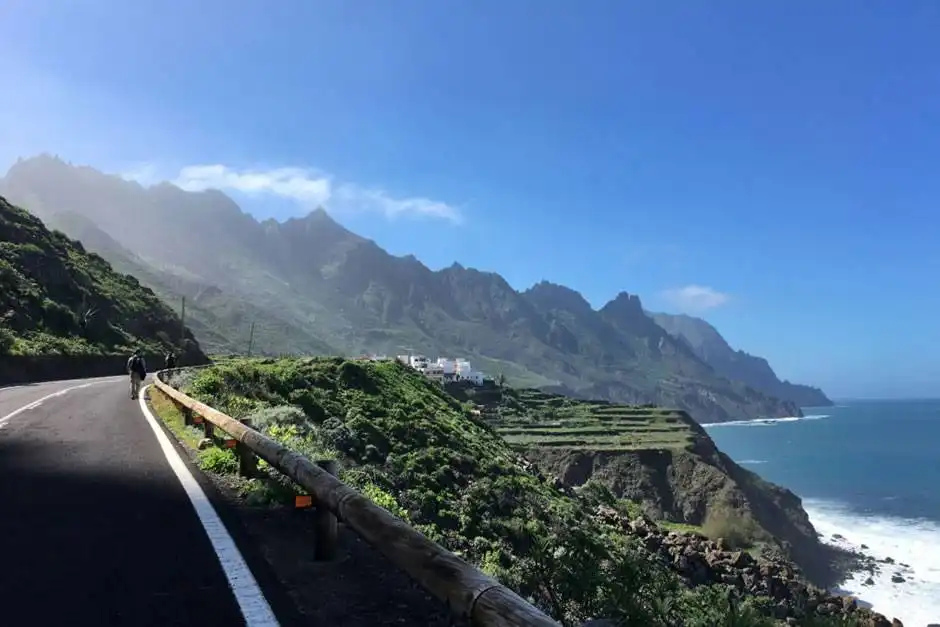
Tenerife has Mount Teide, Spain’s highest peak, while Lanzarote has vast lava fields and volcanic landscapes that can look almost otherworldly.
But the volcanoes did more than create dramatic scenery. They shaped how people farmed, travelled, built homes, and understood their surroundings.
In Lanzarote’s La Geria, for example, vines grow in black volcanic ash. Farmers developed planting methods that protect the crops from strong winds and help retain moisture.
The result is a landscape of green vines, dark soil, and low stone walls. It is a healthy reminder that people here learned to work with the terrain rather than simply overcome it.
On La Gomera, the steep ravines created another kind of adaptation: Silbo Gomero, a whistled form of communication that allows people to send messages across long distances.
It is now recognised by UNESCO as intangible cultural heritage and is taught in schools. Imagine hearing someone communicate across a valley without needing to shout.
The Canary Islands have Indigenous Guanche heritage, Spanish traditions, African connections, and strong historical links with Latin America. The marriage of culture makes it a unique experience altogether.
The interesting part is how these influences became local rather than remaining separate pieces of history.
Take gofio, a toasted grain flour with Indigenous roots. It remains part of Canarian cuisine, appearing in everything from traditional dishes to modern recipes.
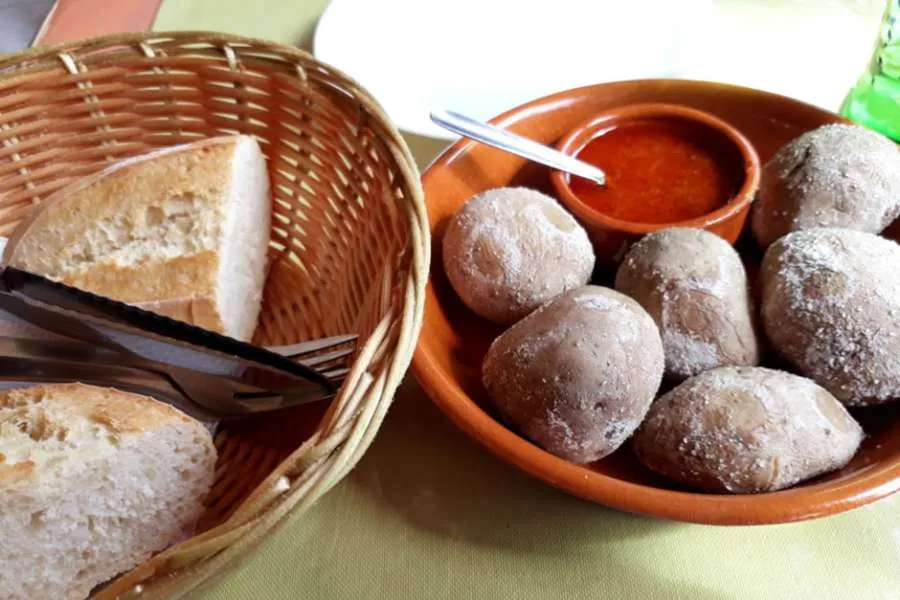
Then there are papas arrugadas, small potatoes cooked in salted water and usually served with mojo. Potatoes originated in the Americas, but this preparation became one of the islands’ signature foods.
You can also see the cultural mix in festivals. Romerías, or religious pilgrimages, combine Catholic traditions with local clothing, music, decorated carts, and food.
In Agaete, Gran Canaria, the Fiesta de la Rama features participants carrying branches toward the sea in a celebration associated with the Virgen de las Nieves. Its modern religious meaning exists alongside older island traditions.
If you enjoy sports, look into Lucha Canaria, the islands’ traditional wrestling. Competitors try to make their opponents touch the ground using specific techniques.
Meanwhile, salto del pastor, which involves using a long pole to navigate steep terrain, shows how practical skills developed for island life can become cultural traditions.
Even a casual walk through a historic town, such as San Cristóbal de La Laguna in Tenerife, can reveal how Spanish architecture and local island identity developed together.
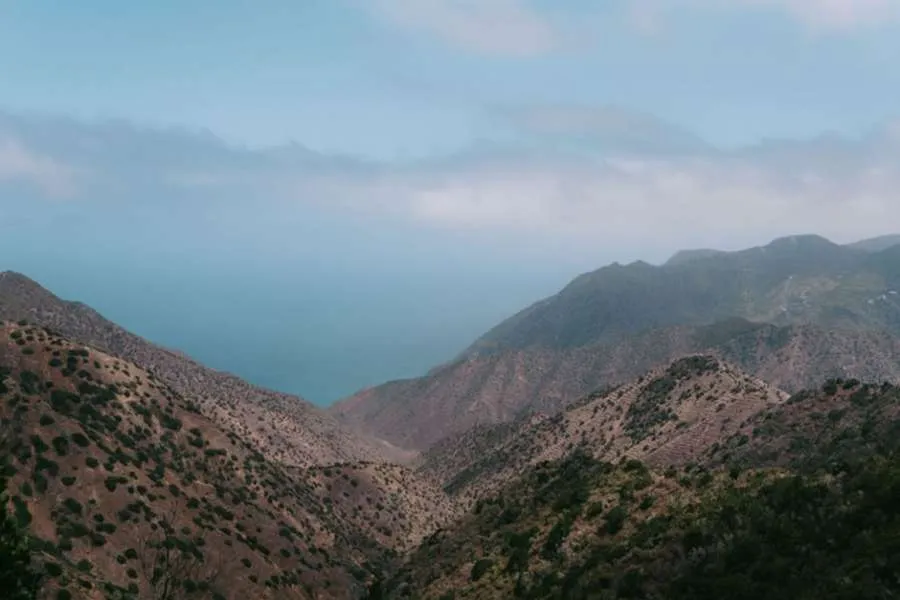
The Canary Islands offer plenty of beach activities, but I think the more interesting experiences are the ones that depend on the terrain.
In Teide National Park, you can explore volcanic rock formations beneath Mount Teide and, on suitable days, bring yourself above a sea of clouds.
The Roques de García, including the famous Roque Cinchado, are especially striking. Great and enormous natural sculptures shaped by volcanic activity and erosion.
On La Gomera, Garajonay National Park offers a completely different atmosphere. Its ancient laurel forests are often misty, green, and dense, with moss-covered trees and winding trails. It can feel like stepping into a prehistoric landscape.
Then there are the coastlines. In places such as Garachico in Tenerife and El Hierro, volcanic rock has formed natural seawater pools where people can swim.
The dark rock, bright water, and ocean views make for memorable photos, but the geology is what gives these places their character.
For something more unusual, visit Cueva de los Verdes in Lanzarote, a volcanic cave system formed by lava flows, or head to Maspalomas Dunes in Gran Canaria, where desert-like sand dunes sit beside the Atlantic. The contrast is hard to miss.
If we were planning a trip with friends, I’d suggest choosing one island rather than trying to rush through all of them. Tenerife is a strong choice for mountain scenery, beaches, and historic towns.
Lanzarote is ideal for volcanic landscapes, vineyards, and the work of artist César Manrique. La Gomera is especially appealing if you want forests, ravines, and unusual cultural traditions.
You could even build a trip around a theme: volcanic landscapes, traditional food, or the ways island communities adapted to their surroundings.
It would be easy to spend a day sightseeing, another trying local dishes, and another simply exploring a town or coastal path.
And if you enjoy discovering games and local pastimes while travelling, you might even find yourself comparing the lively atmosphere of its festivals to the colourful energy of a color game perya back home.
The Canary Islands are worth visiting because the scenery and culture constantly explain each other. The volcanoes shaped the land, the land shaped daily life, and daily life produced traditions that still feel distinctly Canarian.
The terrain and culture of the islands grant you something more lasting than a pretty view: a culture you can keep discovering as you travel.