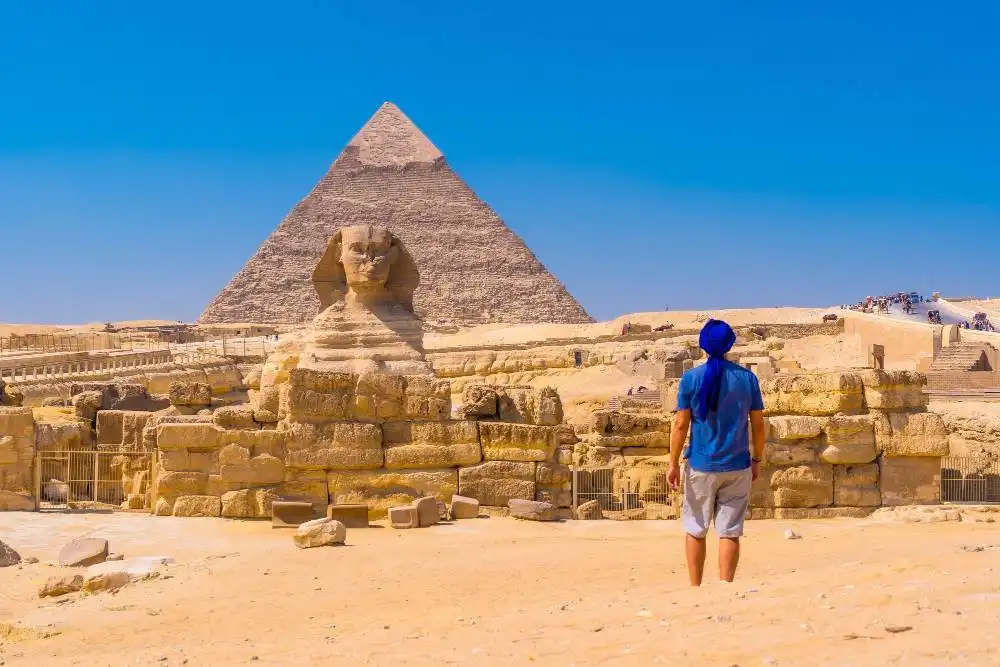
Nobody told me this would hit me differently: visiting Egypt feels like stepping into a world of dreams and surrealism. The Pyramids glowing in the sunset, sailboats on the Nile, and the Sphinx staring out at everything on the horizon give you a feeling unlike anything.
I figured I had a pretty good idea of what was coming. A big history lesson with warmer weather. Some sand in my shoes and a couple of decent photos to bring home.
I could not have been more wrong.
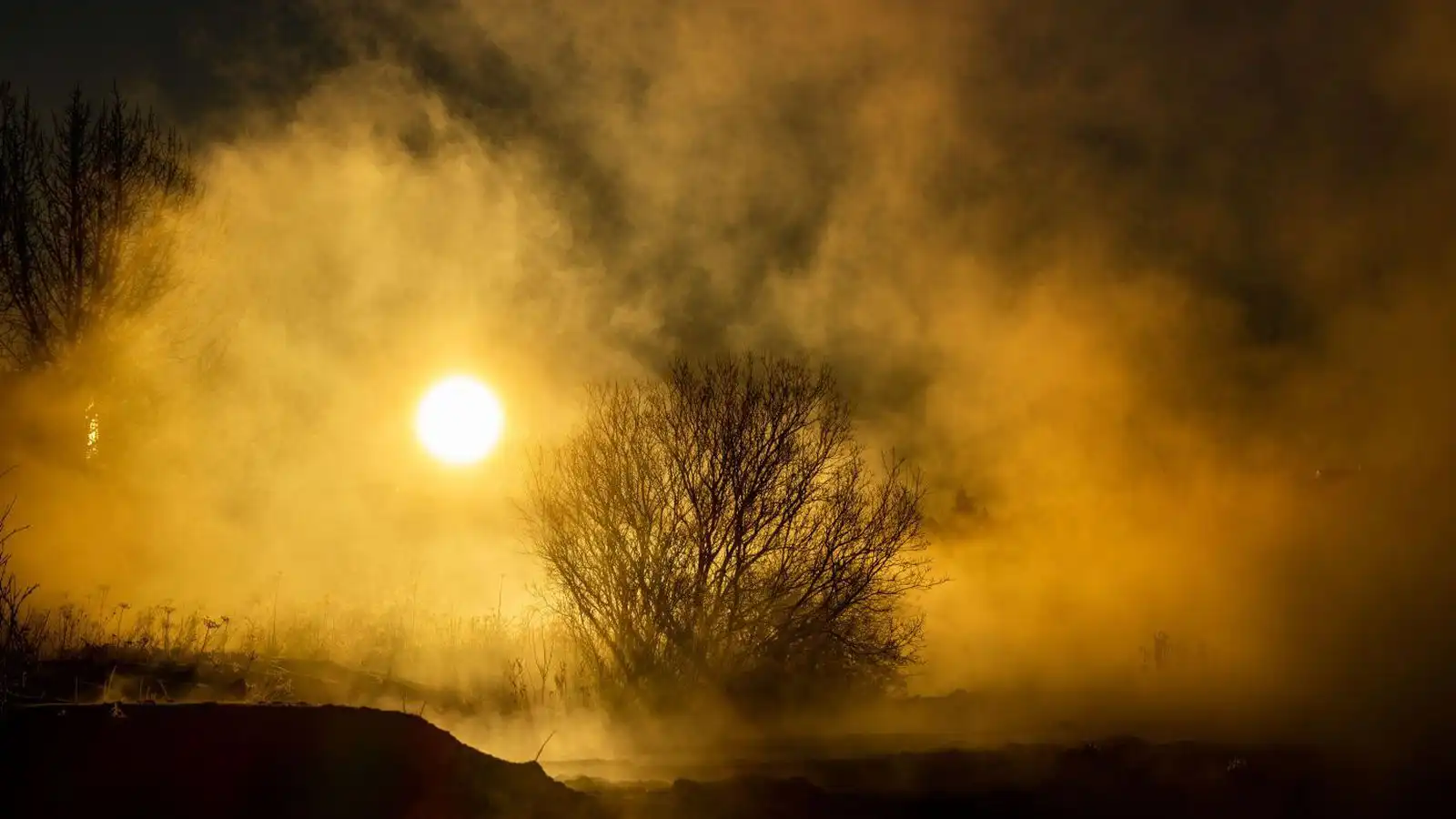
Egypt doesn’t ease you in gently. The second you arrive, something shifts. The air is heavier than expected. The light does this strange golden thing that no phone filter has ever managed to capture.
And before you’ve even got your bearings, you realise you’re not just visiting a country. You’re stepping into something that existed long before you did, something with zero interest in slowing down for your benefit. Honestly? That was exactly what I needed.
Here’s something that’ll genuinely mess with your head.
You’re standing in front of the pyramids. Structures that have been there since before most of human civilisation figured out basic things like the wheel. You’re trying to absorb that fact, really trying, and then a car horn goes off. Someone nearby is mid-phone call. A kid sprints past, clutching something wrapped in foil.
Ancient and completely ordinary, crammed into the same moment. It shouldn’t work. Somehow it absolutely does.
That overlap is a big part of why Egypt feels dreamlike in a way other historical places don’t. In many European cities, the old parts feel carefully preserved, almost staged. Egypt doesn’t do that. Old and new just coexist without apology, with no clear line between them. After a while, you stop trying to separate them. You stop checking your phone. The minutes go by slowly. This is something that does not happen often in our daily lives. It is one of the feelings I have had in a long time.
Another part? Some moments, here in Egypt, come unannounced. But they settle with you, somewhere deep inside your heart, forever.
When you stand inside a temple with the walls covered from top to bottom in ancient art, you get feelings that have been there for thousands of years.
You reach out and touch the stone without really thinking, and for a second, something strange happens. Time folds. That sounds ridiculous typed out, but if you’ve been there, you know exactly what I mean.
Or sitting by the Nile as the sun goes down. Everything slows. The noise softens. The water moves as it has nowhere to go, and the light turns everything the colour of warm honey. You don’t rush that moment. You couldn’t even if you tried.
There’s a stillness to Egypt that feels genuinely rare in a world constantly pushing you to do more and move faster. Egypt just says: stop. There’s something almost sacred about that.
Egypt isn’t only about ancient temples and quiet sunsets. It is also loud.
Walk into a busy market, and everything shifts. Vendors calling out, cars threading through gaps that seem physically impossible, music drifting from somewhere you’ll never find. First-timers often feel overwhelmed. That’s completely fair.
But then something clicks.
You start noticing the chaos has a rhythm. It’s not random, it’s just fast and unfamiliar, and those aren’t the same thing. Once you tune into it even slightly, it stops feeling like noise and starts feeling like energy. Real, contagious energy. The kind that makes you feel properly awake in a way that sitting at home definitely does not.
That energy keeps Egypt from ever feeling like a museum. It’s messy and grounded and wonderfully, unapologetically human.
Long after you’ve forgotten which temple had which carvings, and you will forget because there are a lot of temples, you’ll still remember the people.
Not in a vague, generic way. In a specific, particular way.
The shop owner who has been chatting with you for the last minute wasn’t only doing it to sell something.
The guide who paused during his mid-history-fact stating and shared something personal did more than just state history. He made a personal story part of a thousand-year-long history, and now, through this journey, you, too, are a part of it.
The stranger who smiled at you in a way that made you feel, just for a moment, like you actually belonged there.
There’s a warmth in Egypt that’s hard to describe without sounding like a brochure. But it’s genuine. And it’s the thing that turns a trip from “impressive” to “personal.”
This is what surprises people most. Even if you spend 10 days in Egypt, you’ll leave knowing you barely scratched the surface. There’s always another layer, another story, another place you didn’t quite reach. That’s not a flaw in the trip. That is the point.
Some trips fade fast. You get home, unpack, scroll through your photos once, and within a week, it’s just a memory.

Months later, it shows up at completely random moments. A photo on your feed. Someone mentioned the pyramids in passing. A quiet moment in your day when nothing much is happening. The memories don’t feel distant. They feel close, almost within reach.
And it’s usually the small things that stick. The exact feeling of the air at dusk. A conversation with someone whose name you never caught. The specific sound the city makes at night that doesn’t exist anywhere else.
Those are the things that stay with you. Long after everything else fades, those are the things that stay.