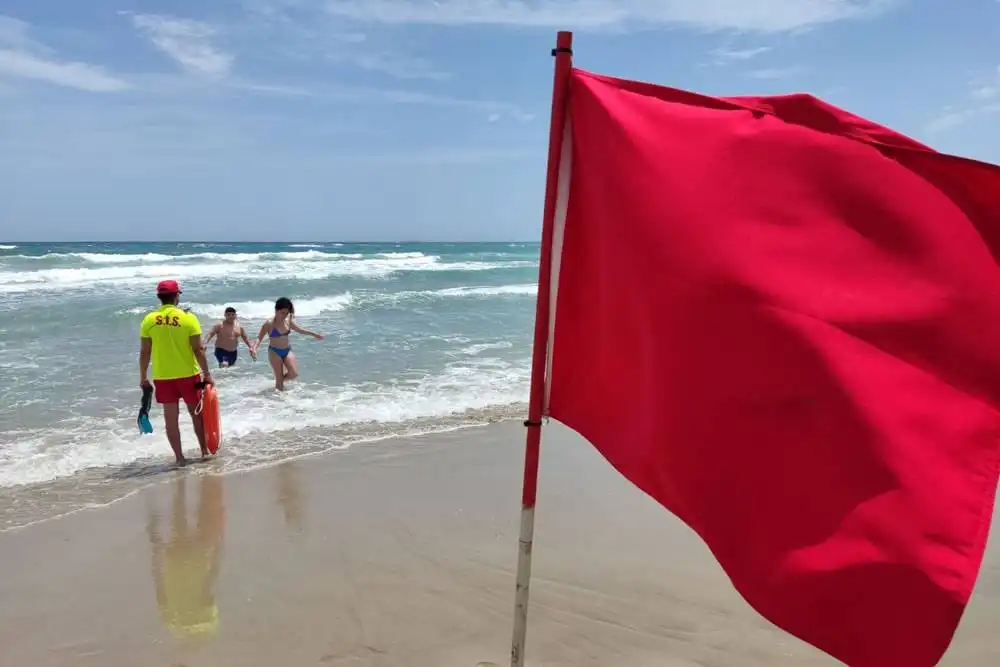
More people are dying from drowning incidents in the Canary Islands than in motorway traffic accidents, according to experts who gathered in Adeje this week for a coastal safety conference focused on the main risks facing residents and tourists during the summer months.
The event, titled Prevention and Self-Protection on the Coast, brought together specialists in emergency medicine, rescue operations and water management to discuss issues including drownings, heat-related illnesses, jellyfish stings and water quality for bathing.
One statistic stood out above all others: the Canary Islands have already recorded more than 30 drowning deaths so far this year, accounting for around 15% of all such fatalities in Spain despite the archipelago representing only a small fraction of the country's population. The islands currently have the highest number of drowning deaths of any region in Spain.
Sun Safety Warning for Tourists
Medical experts at the conference also highlighted the dangers of excessive sun exposure, particularly among visitors eager to return home with a tan.
Emergency medicine specialist Dr Inmaculada Mora Peces compared sun damage to “a glass that slowly fills drop by drop” throughout a person's life. She warned that the effects accumulate in the body's DNA and can eventually lead to serious health conditions.
She also stressed that oral sun protection supplements should only be used as an additional measure and never as a replacement for sunscreen.
Dr Roberto Gómez Pescoso, a specialist in Family and Community Medicine, noted that local residents generally have a better understanding of the dangers posed by the sun.
“Canarians are usually aware of the damage the sun can cause, but tourists often want to tan quickly,” he said, adding that healthcare services regularly treat visitors suffering from first and second-degree burns.
Beach Closure Concerns Addressed
The conference also tackled concerns surrounding beach closures caused by bad water quality, an issue that has attracted significant public attention in recent years.
Javier Dávara, manager of Tenerife’s Island Water Council, stated that around 85% of beach closure incidents are not linked to failures in sewage systems. Instead, they are often caused by external factors such as boats, isolated pollution incidents or inaccurate water samples that are frequently disproved by follow-up testing within 24 hours.
He highlighted major improvements in Tenerife’s wastewater treatment infrastructure, noting that the island has increased the number of treatment plants from four to fourteen and now processes around 400,000 cubic metres of wastewater every day, four times more than it did four years ago.
Adeje's 24-Hour Monitoring System
Adeje municipal technician Ernesto Iglesias Groth defended the reliability of the municipality's water management network, explaining that it is monitored continuously, 24 hours a day, 365 days a year.
He said pumping stations serving key tourist areas, including El Duque, La Caleta and Callao Salvaje, are equipped with backup systems designed to prevent accidental discharges into the sea.
With the summer holiday season now in full swing and beaches across the islands becoming increasingly busy, officials used the event to reinforce a simple message: vigilance, prevention and awareness remain the most effective tools for keeping both residents and visitors safe on the Canary Islands' coastline.