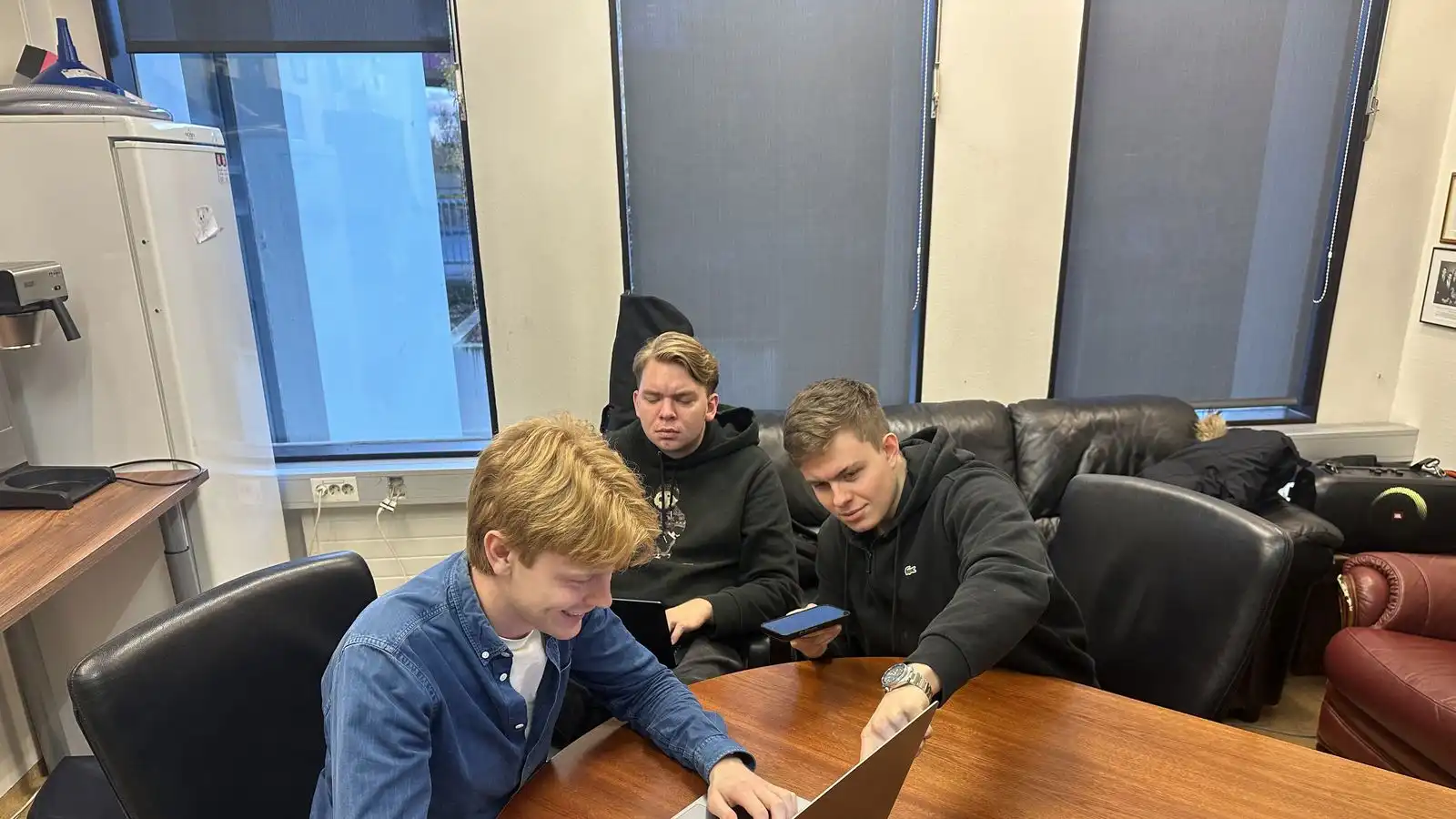
A record number of young people are out of work – but it is not their fault, Amazon's UK boss has said.
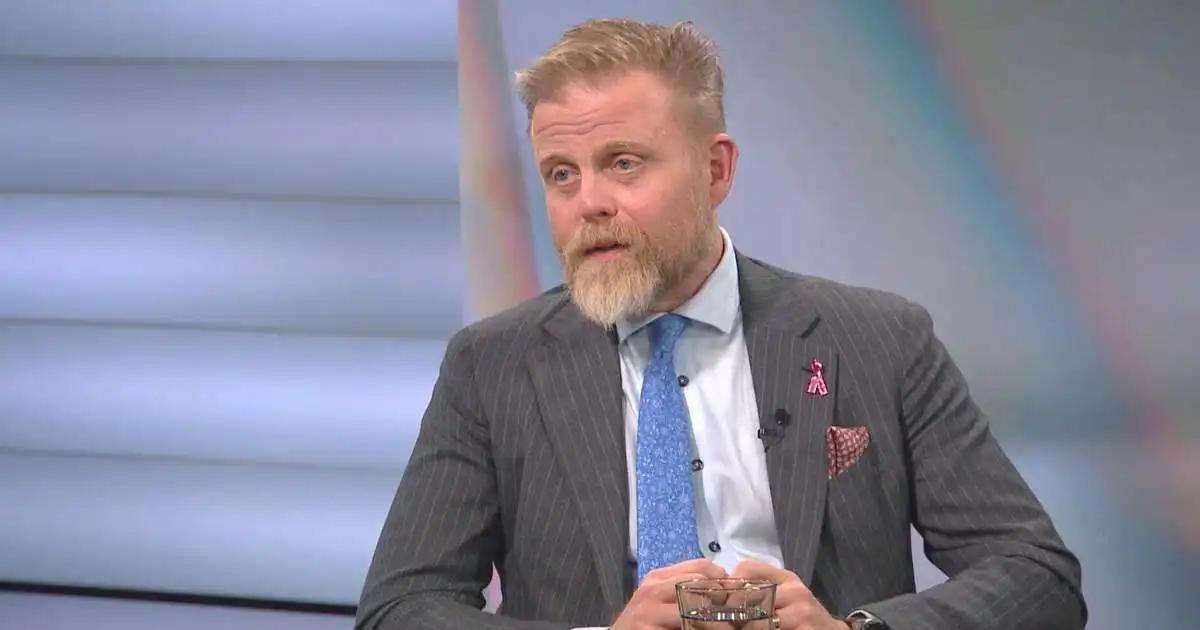
"We have to stop blaming young people," John Boumphrey told the BBC, adding that the education system was not "producing young people who are ready for work".
Nearly a million young Britons are not in education, employment or training, yet Boumphrey says Amazon struggles to recruit workers with the skills it needs.
He called for work experience to be mandatory for over-16s. "It's not a motivation problem - it's a system problem, and that requires a system response."
Earlier this week, official figures show the UK's unemployment rate rose slightly to 5% in the three months to March from 4.9% in the three months to February.
The latest official figures reveal the unemployment rate for 16 to 24-year-olds is 16.2%, the highest since late 2014.
Jane Foley, managing director at Rabobank, told the BBC it was "a horrible number".
"Hospitality jobs is where many of us, including myself, would have originally got your initial taste of work experience when we were young," she added.
"But those jobs, partly because of minimum wage legislation, but partly because of technology also have been shutting the door perhaps on a lot of young people."
Separate research published by the Institute for Fiscal Studies on Tuesday shows the current fall in youth employment rates is approaching the level of decline seen during the 2008 financial crisis and the Covid-19 pandemic.
Former Labour minister Alan Milburn, who is due to publish his independent review of UK youth unemployment in the summer, told the BBC earlier this year the issue was "a social catastrophe, an economic catastrophe and a political catastrophe".
Amazon employs 75,000 people in the UK, half of whom come straight from education or unemployment, according to Boumphrey.
Boumphrey, Amazon's country manager for the UK, said: "I think too often you read about young people that somehow they lack motivation, they lack resilience, they lack the will to develop skills. That is not our experience.
"We work with some individuals who are probably furthest from work and that's where we actually see the biggest transformation," he said, pointing to a work experience programme the company runs for young people with learning disabilities and autism.
Work experience should be mandatory for over-16s because it was "transformative" in helping young people learn "things that I don't think we teach in our curriculum, but that all employers are looking for", he said.
"If you get a T-level student, they come in for a week, they understand the value of teamwork, of communication and problem solving," he told the BBC's Big Boss Interview.
The Department for Education expects post-16 providers to offer work experience as part of their funding conditions.
The UK is experiencing a weak jobs market, with young people particularly affected by cuts in hospitality and graduate schemes.
One of those is Andy Wilkins, 26, in Southend on Sea in Essex, who has been out of work for nearly a year after leaving his last job.
The £2,000 he had saved up have been used up on "rising bills" and his income consists of £400 a month through Universal Credit.
The University of East London graduate has applied for entry level jobs at Lidl, Aldi, and Primark and has been turned down by the likes of Burger King, Superdrug, and Next.
"I am desperate to work, no job is too big or too small – I have that sort of mindset," he says.
Yet, despite the problems faced by people like Andy, Boumphrey said Amazon has the opposite problem – it struggles to find enough workers with the skills the company needs.
The company has 100 premises in the UK, including 30 warehouses.
"I think you need businesses to come together with local governments and further education colleges, and you need that to happen on a regional basis so that you can understand what the skills gaps are," he said.
Boumphrey said when Amazon introduced robots into its warehouses there was some concern they would replace people.
"Actually, the reverse happened...we ended up employing more people," he said.
"Mechatronics engineers, people who can actually maintain the robots, people who are technicians...they're not roles that exist. We can't find enough people to fill those roles."
Niki Fuchs, co-founder and chief executive of service office provider Office Space in Town, said providing work experience is a "mindset" and that there's very little stopping firms from doing it.
She said she tells her staff and clients that she will give their teenage children work experience "without questioning it because we think that's part of what we need to do for society".
Amazon has been scrutinised for the amount of tax it pays in the UK, with critics saying its tax bill has not increased in line with its sales with the rise of online shopping since the Covid-19 pandemic.
Earlier this year, it overtook US supermarket giant Walmart to become the world's largest company by annual sales.
In the UK, Amazon accounts for 30% of all online sales.
Asked about tax, Boumphrey said: "Last year we contributed more than £5.8bn."
The company has repeatedly declined to say how much corporation tax it pays. Boumphrey told the BBC Amazon pays more than £1bn of "direct tax", which it said included corporation tax, business rates, national insurance contributions, and digital services tax.
Last year, the company's net sales figure for the UK was over £25bn.
"Of course we pay all the tax we're meant to pay, but when you think about our contribution, it isn't just the amount of tax we pay, it's also the 75,000 jobs we create."
Asked if the firm would be more transparent about tax in future, Boumphrey said: "When I joined the business, we didn't really talk at all about tax," adding "we've been on a journey of getting more and more transparent".
However, he pushed back against publishing corporation tax, arguing that for a "high investment mode" business the number can fluctuate year-to-year and be "taken out of context" as a result.
Get our flagship newsletter with all the headlines you need to start the day. Sign up here.