Tenerife is preparing to become the setting for Spain's first full-scale volcanic eruption emergency exercise, with Garachico chosen to test how the island would respond if a real volcanic crisis threatened communities and visitors.
The exercise, known as EU-Modex Tenerife 2026, will take place on Friday 25th September and will simulate the escalation from increased volcanic activity through to an eruption affecting the north of the island.
It forms the centrepiece of a wider week of volcanic-risk activities taking place in Garachico from the 22nd to 27th September, bringing together emergency services, scientists, public authorities, European response teams and local residents.
Crucially, the exercise does not mean that an eruption is expected or that Tenerife is currently facing an increased volcanic threat. It is an exercise designed to test procedures before they are ever needed in a genuine emergency.
Why Garachico has been chosen
Garachico is a particularly appropriate location because the town has first-hand experience of Tenerife's volcanic history.
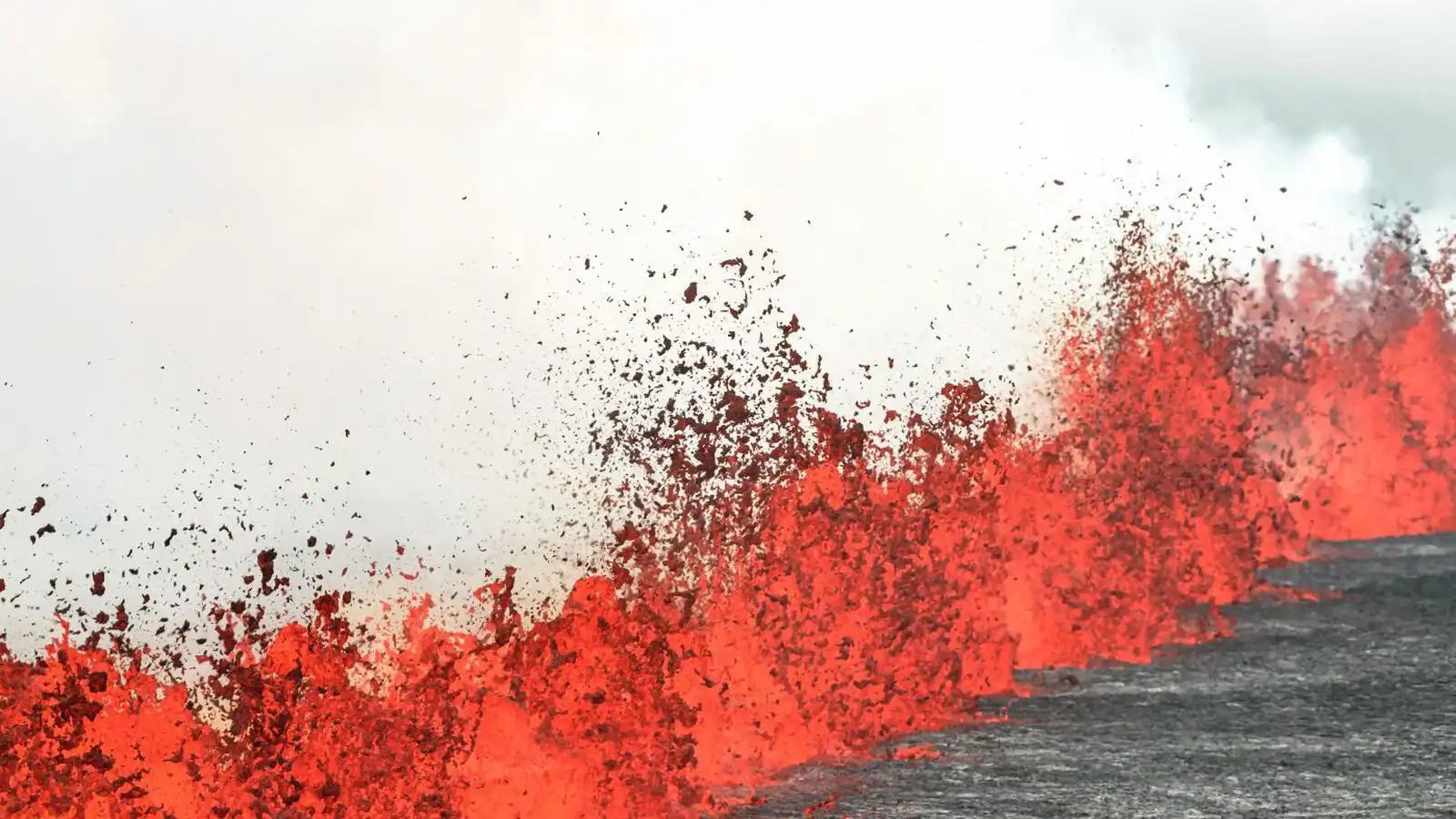
In 1706, the Trevejo or Arenas Negras eruption sent lava towards Garachico, destroying much of the town and its harbour, which at the time was Tenerife's principal commercial port.
More than three centuries later, Garachico will be used to test how modern emergency services would deal with a comparable threat.
The simulation will involve a fictional volcanic eruption in the Trevejo area, allowing emergency planners to assess the practical consequences of volcanic activity close to populated areas.
The scenario is expected to test several stages of an emergency response, including scientific monitoring, communications between authorities, public warnings, evacuations and the mobilisation of specialist resources.
Residents in selected areas will also participate, making this considerably more realistic than a traditional command-centre exercise conducted entirely by emergency officials.
Around 1,000 people expected to take part
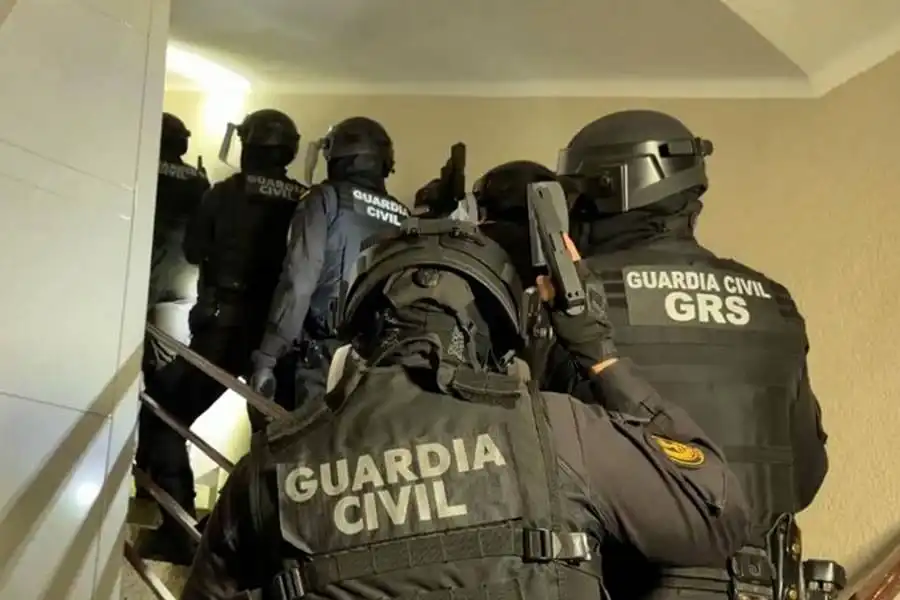
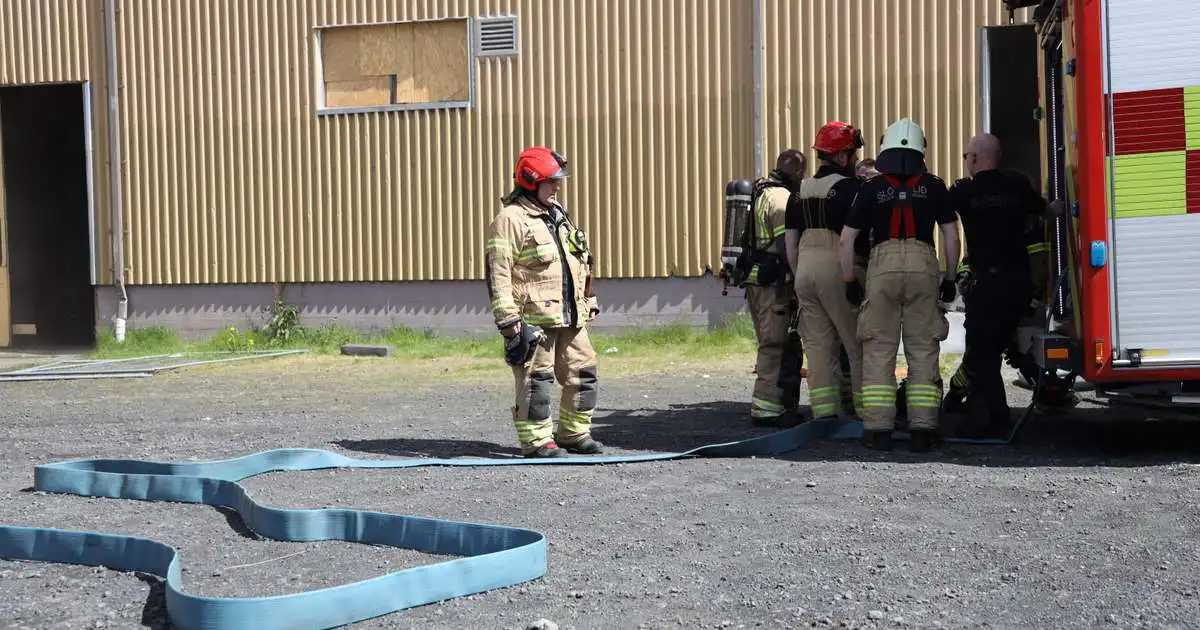
Approximately 1,000 people are expected to be involved in the operation, including members of the public and personnel from a wide range of emergency and security organisations.
Participants will include Canary Islands emergency services, firefighters, police, Civil Protection personnel, health services, scientists and specialist teams, together with European emergency-response resources.
The exercise will also test the coordination required when a major emergency exceeds local capabilities and additional assistance is requested through European civil-protection mechanisms.
That is particularly important for an island territory, where moving large numbers of specialist personnel and equipment presents very different logistical challenges from an emergency on mainland Europe.
Public communication will be another key element.
One of the lessons reinforced by the 2021 eruption on neighbouring La Palma was the importance of providing residents with clear, reliable and rapidly updated information as volcanic conditions change.
Mobile-phone emergency alert will be tested
As part of the exercise, authorities are also expected to test the ES-Alert emergency warning system, which allows Civil Protection authorities to send urgent messages directly to compatible mobile phones within a defined geographical area.
For tourists, this is particularly relevant.
Visitors do not need to register their telephone number with a Spanish authority to receive an ES-Alert message. Compatible phones connected to mobile networks within the affected area can receive the warning automatically.
This technology has increasingly become part of emergency management in the Canary Islands, including during severe weather and other major incidents.
Anyone in the area during the exercise should therefore be aware that emergency activity, warning messages and simulated evacuations may form part of the planned operation rather than indicating that a genuine volcanic emergency is underway.
Lessons from the La Palma eruption
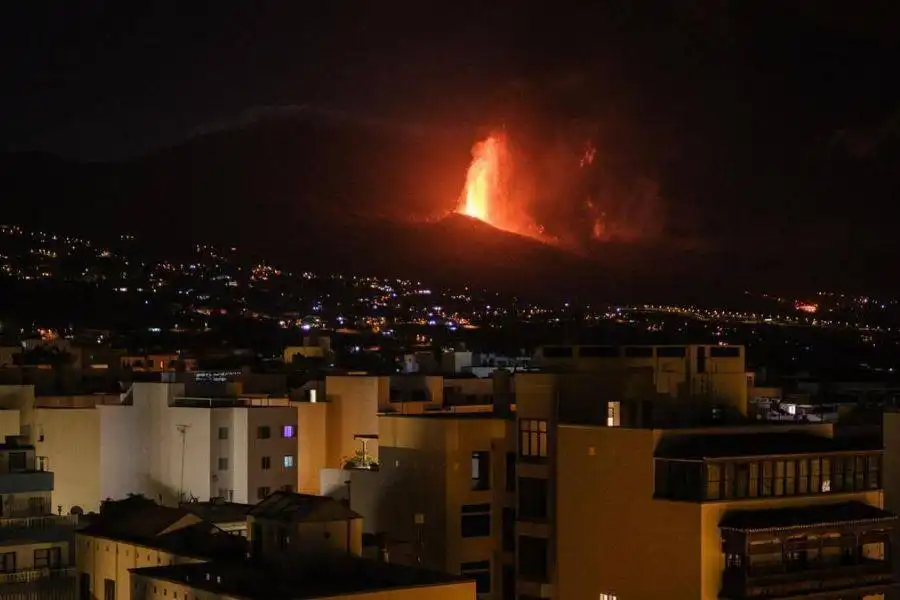
The exercise inevitably comes just five years after the 2021 Tajogaite eruption on La Palma, the Canary Islands' most serious volcanic emergency in recent history.
That eruption began on 19th September 2021 and continued for almost three months, destroying homes, roads, businesses and agricultural land and forcing thousands of residents to leave their properties.
While Tenerife and La Palma have different volcanic systems and risk scenarios, the eruption provided authorities with extensive real-world experience of evacuation, exclusion zones, scientific monitoring, emergency accommodation and communication with affected communities.
The Tenerife exercise provides an opportunity to put those lessons into practice under controlled conditions.
No indication an eruption is imminent
The timing is also notable because seismic activity beneath and around the Canary Islands regularly attracts public attention, particularly when clusters of small earthquakes are detected.
However, volcanic islands are continuously monitored precisely so scientists can identify any changes in behaviour.
The purpose of next week's exercise is preparedness, not prediction.
There is currently no volcanic emergency associated with the Garachico exercise, and residents and holidaymakers should not interpret the presence of emergency teams or the simulated eruption scenario as evidence that Tenerife is preparing for an imminent eruption.
Instead, the operation is intended to answer a much more practical question: if Tenerife did face a volcanic eruption in the future, are the authorities, emergency services and population ready to respond?
For an island visited by millions of international tourists every year, finding the answer before a real emergency occurs could prove invaluable.