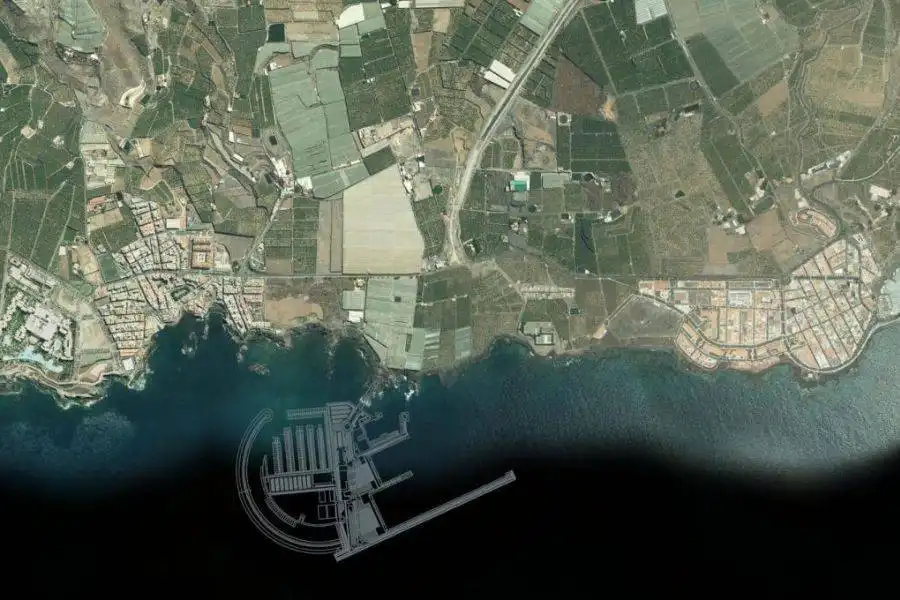
A second runway at Tenerife South Airport, the long-awaited southern train, new priority lanes on the TF-1 and major changes around Los Cristianos are among the options included in a new Canary Islands mobility strategy.
The draft Sustainable and Intelligent Mobility Strategy examines how transport infrastructure could develop across Tenerife over the next 30 years, with particular attention being paid to the increasingly congested south of the island.
It identifies the San Isidro to Las Américas section of the TF-1 as one of Tenerife's most congested daily transport corridors, carrying more than 50,000 vehicles a day through key sections.
The document does not mean all the projects will go ahead. Instead, it sets out different alternatives and scenarios that will be assessed before final decisions are taken.
Second runway at Tenerife South Airport
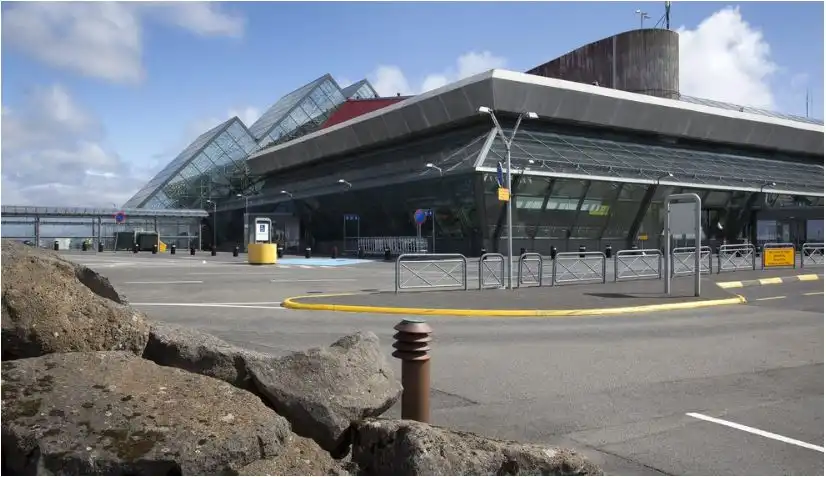
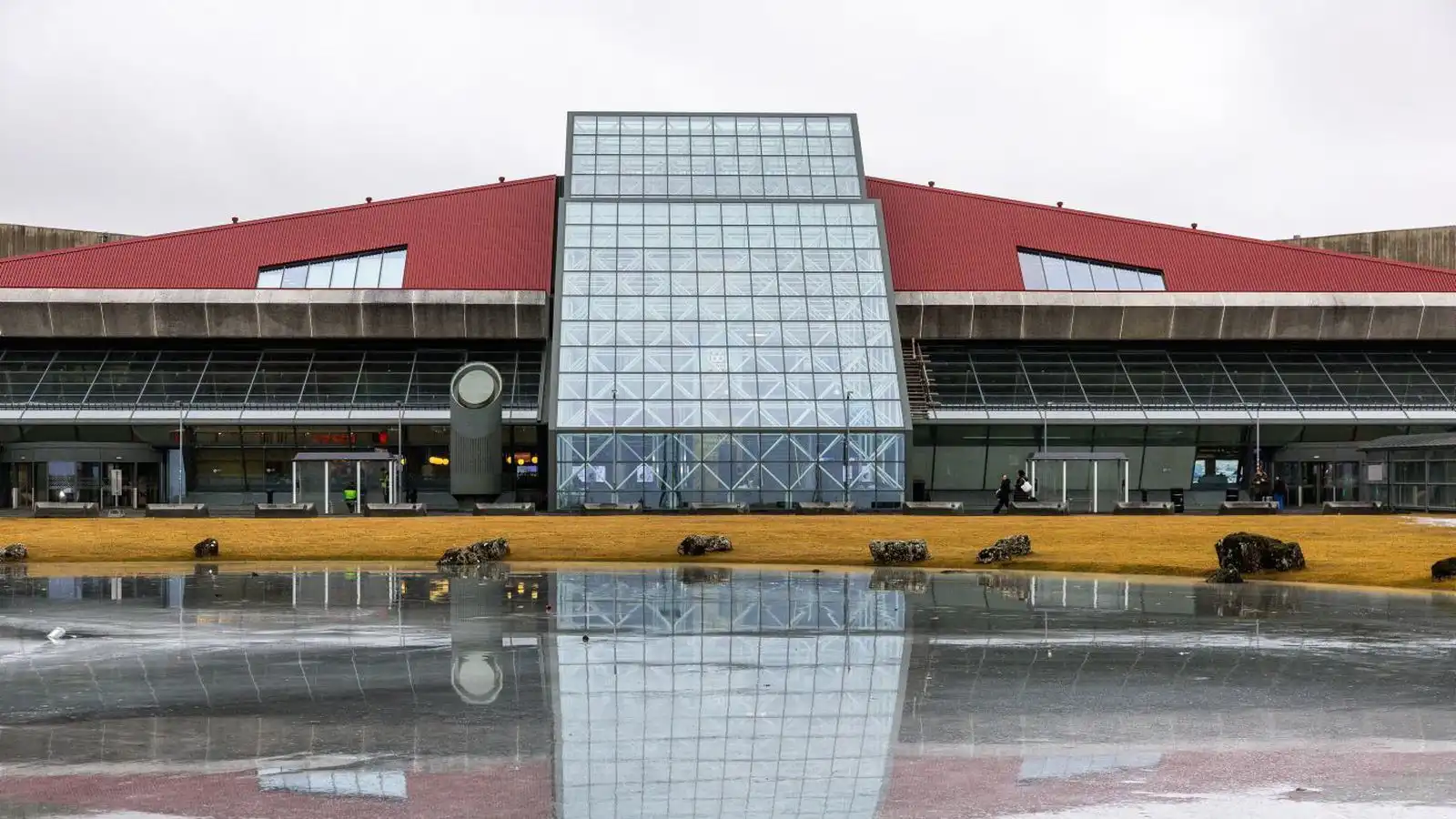
One of the most notable options is the possibility of constructing a second runway at Tenerife South Airport.
The strategy includes a second runway of approximately 3,200 metres among the alternatives being considered for the airport's long-term development.
This is separate from the major redevelopment of the existing Tenerife South terminal and airport facilities already being progressed by Aena.
Any second runway would represent a substantial additional expansion and would require its own planning, technical and environmental processes before becoming a confirmed project.
Southern train linking airport and resorts
The strategy also incorporates the proposed southern railway, which has been discussed for many years as an alternative to increasing dependence on the TF-1.
The proposed route would cover approximately 79.7 kilometres between Santa Cruz and south Tenerife.
Stations would include San Isidro, Tenerife South Airport, Los Cristianos and Costa Adeje, directly connecting several of the island's most important residential, tourism and transport areas.
The document also leaves open the possibility of eventually extending the railway farther west if a new port at Fonsalía were ever developed.
The southern train itself is already being progressed separately by the Tenerife Cabildo, with work continuing on its planning and design and an agreement with Aena covering a future station at Tenerife South Airport.
BUS-VAO lanes proposed for the TF-1
Road congestion remains one of the biggest transport problems identified in the strategy.
The San Isidro-Las Américas corridor is highlighted as being under particularly heavy pressure, reflecting the large number of journeys between residential areas, employment centres, the airport and Tenerife's main southern resorts.
One option is to introduce BUS-VAO lanes between San Isidro and Los Cristianos.
These would reserve road capacity for buses and vehicles carrying multiple occupants, with the aim of making public transport faster and more reliable during congested periods.
Separate plans already being pursued by the Tenerife Cabildo include increasing capacity on sections of the TF-1 as part of its own long-term island mobility programme.
Major changes proposed for Los Cristianos
Los Cristianos is another major focus of the regional strategy.
Its port is the principal maritime connection between Tenerife and La Gomera, El Hierro and La Palma and handles extremely high numbers of inter-island passengers.
However, the port effectively depends on a single land-access corridor connecting it with the TF-1 through roads including Avenida de La Habana, Avenida Chayofita and Avenida Juan Carlos I.
The strategy identifies this as a serious bottleneck, particularly during periods of heavy ferry and road traffic.
Measures being considered include dedicated access from the TF-1, park-and-ride facilities, shuttle buses, reorganised traffic flows and intelligent systems providing drivers with real-time information about congestion, parking and ferry waiting times.
Fonsalía port returns as an option
One of the most controversial elements is the reappearance of a potential port at Fonsalía, on the coast of Guía de Isora.
The project was previously abandoned following years of debate and heavy environmental opposition.
It now appears in four of eight scenarios being examined for future maritime connections between Tenerife and the western islands.
The other four scenarios retain Los Cristianos as the principal port while improving its access and operations.
Crucially, the appearance of Fonsalía in the strategy does not mean the port has been approved or that construction is planned.
The Canary Islands Government has said the document considers a range of alternatives and hypotheses which must be analysed before the final strategy is determined.
If Fonsalía were ultimately selected, it would require a new environmental assessment examining potential effects on the coastline, marine environment and protected species.
The strategy estimates a minimum timeframe of around 10 to 15 years between the beginning of preliminary studies and any potential opening.
Planning how Tenerife moves in the future
The proposals reflect the enormous transport pressures created by population growth, tourism and employment in south Tenerife.
Figures contained in the strategy show particularly high levels of travel between municipalities, including Santiago del Teide, San Miguel de Abona, Guía de Isora, Granadilla, Adeje and Arona.
That movement puts increasing pressure on key infrastructure including the TF-1, Tenerife South Airport and Los Cristianos port.
The regional strategy is intended to provide a long-term framework for deciding which combination of road, rail, airport, port and public transport projects should be pursued.
For residents and millions of visitors using south Tenerife each year, the decisions ultimately taken could dramatically change how people travel between the airport, resorts and other parts of the island over the coming decades.