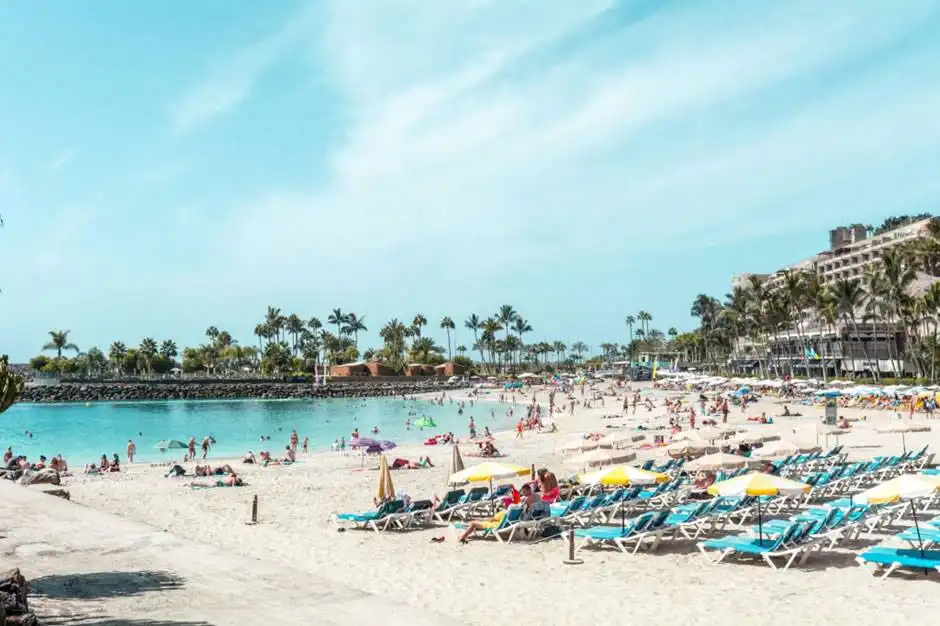
Most British holidaymakers arrive in the Canary Islands with a very specific image in their heads. Sun. Beach. Resort restaurants serving reliable approximations of food from home. Burgers. Chips. Buffets that promise everything and deliver something that might be good, but will never be great. It's not a bad image. It's just an incomplete one.
Beyond the hotel gates and away from the promenades lies a different Canary Islands entirely. The islands have a food culture shaped by the Atlantic Ocean, volcanic soil and centuries of tradition.
All-inclusive hotels certainly have their place, offering convenience and plenty of choice, but they rarely capture the full character of the Canaries in the same way as a small restaurant tucked away on a side street or a terrace buzzing with conversation long after sunset.
Even visitors arriving by cruise ship into Las Palmas will find plenty of entertainment on offer, from polished dining experiences that wrap up to late-night cocktails to floating casinos featuring many of the same games found on the new online casino sites people enjoy back home.
Yet some of the most memorable experiences in the Canary Islands are waiting away from the crowds.
Because the greatest pleasure of travelling is often discovery. It’s finding the restaurant you almost walked past, trying a dish you cannot pronounce at first glance or following a local recommendation that leads somewhere completely unexpected.
The Canary Islands have an underrated culinary identity that many British visitors are only just beginning to uncover.
Here are five common dining mistakes visitors can make, and how a few small changes can help you experience the very best food the islands have to offer.
You'll notice something odd on your first night if you arrive for dinner at 6:30pm. The restaurant is empty. The staff are polishing glasses. The kitchen feels like it's waiting for permission to start. By 8pm, still quiet. By 9pm, something shifts.
This is culture shock wearing the wrong watch. British dinner happens early. Spanish dinner happens late. The Canary Islands run on Spanish time, which means the social heart of an evening meal starts around 9pm and runs until well past 10.
It sounds inconvenient when you're tired from the beach. It's actually one of the best decisions you can make.
A restaurant packed with locals at half past nine is a completely different experience from the same restaurant half-empty at seven. The atmosphere changes. The energy shifts. The kitchen is in rhythm rather than anticipating demand. Your neighbours are people who've lived here for years, not tourists following their holiday schedule. Adjust your timing by an hour or two and the whole evening becomes something else.
Your first evening in a Canarian restaurant, you'll order wine and a starter. The wine arrives quickly. The starter takes longer than expected. The main course arrives well after you've finished your starter. The bill doesn't appear unless you ask for it.
In Britain, this is a problem. In the Canary Islands, this is respect for your evening. Meals here aren't something to rush through on the way to somewhere else. They are the evening. Let time move differently than it does in your normal life.
The food is cooked to order rather than plated from a holding station. Fresh fish that arrived this morning gets more appreciation than something frozen. A proper sauce needs time to become proper.
The kitchen isn't slow. They're just not pretending that food and fuel are the same thing. Order another drink. Settle in. Chat. People watch. This is the point. This is why you came to an island rather than stayed home.
The Canary Islands have developed an impressive fine-dining scene. Tenerife has more Michelin-starred restaurants than anywhere else in the archipelago.
Gran Canaria has built a serious reputation for ambitious cuisine. Lanzarote has very good establishments alongside exceptional local cooking. This doesn't mean you need to book a tasting menu at a Michelin restaurant to eat well here.
The real revelation isn't the fine dining though. It's the restaurants you walk past without knowing what you're looking at. A terrace with six tables. A counter where they grill fish over charcoal. A corner place where someone's grandmother is still in the kitchen looking ancient.
The best meal of your holiday is waiting somewhere. You just need to be willing to look past the obvious places and where a TikToker describes their ‘hidden gems’.
Pizza exists in the Canary Islands. Burgers are available. Spaghetti carbonara won't be hard to find. They're there if you genuinely want them. But you didn't fly four hours to eat something you could get at your local high street.
Try papas arrugadas instead. Boiled potatoes with the outside wrinkled and salted, served with mojo sauce that lands somewhere between pesto and hot sauce. It's humble and perfect.
Order vieja, the parrotfish, grilled so simply that you taste nothing but salt and the ocean. Try conejo, rabbit prepared in a tomato sauce that's been cooking since morning. Taste fresh Atlantic seafood that still has flavour because it wasn't frozen before you were born.
Gofio is the islands' famous roasted grain flour. You'll find it in everything from desserts to soups. Local goat's cheese ranges from creamy and fresh to aged and nutty. These aren't exotic challenges. They're just food from where you are staying.
Walk a few streets away from the busiest tourist strips. Find a restaurant full of locals who've chosen to eat there for reasons beyond air conditioning and English menus. Ask the server what's good and order it.
Nearly everyone in the Canary Islands speaks English. Many speak it very well. You could spend your entire holiday speaking only English and nobody would hold it against you. You could also spend your entire holiday missing something.
The effort itself matters more than fluency. Hola when you arrive. Buenos días with your morning coffee. Gracias when someone brings your water. Por favor when you order. La cuenta when you're ready for the bill.
Something shifts when you try. Staff become more comfortable recommending regional specialities that don't appear on the menu. Your Spanish doesn't need to be good. It just needs to show that you tried.
The Canary Islands offer far more than convenient holiday food. They offer a chance to eat genuinely, to sit in restaurants where locals have gathered for decades, to taste ingredients prepared with the kind of simplicity that only works when the raw materials are perfect.
Sometimes the best meal of your holiday is found not in your hotel, but around the next corner. Sometimes it's waiting on a terrace at 9:30pm, when the restaurant is finally full and alive.
Go and eat something you've never heard of, ordered because a server made a recommendation and you trusted them. It's been waiting the whole time. You just need to arrive with enough curiosity to find it.