The Spanish Government has unveiled plans to create 17 new protected marine areas around the Canary Islands, covering almost 17,000 square kilometres of ocean, as part of a major expansion of the Natura 2000 conservation network.
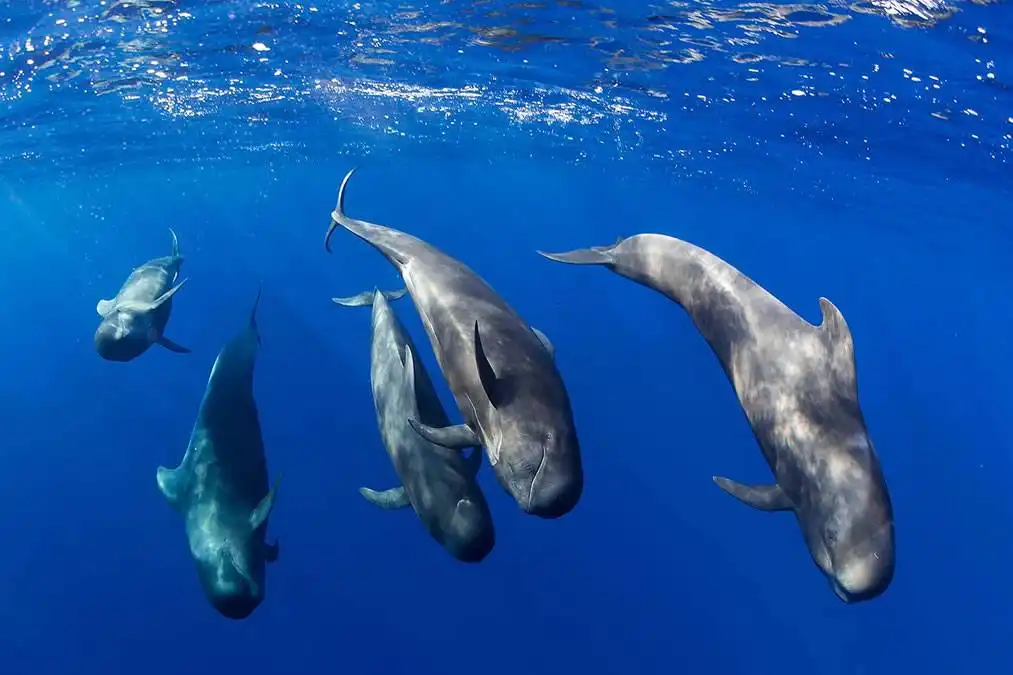
If approved, the new protected areas would help safeguard important marine habitats, coral reefs, seagrass meadows, sea turtles, dolphins, whales and seabirds across the archipelago.
Protection across five islands
The proposals include 17 new Sites of Community Importance (LICs) in Canary waters, along with two new Special Protection Areas for Birds (ZEPAs).
The new protected marine areas would be distributed as follows:
A new bird protection zone would also cover the waters between Lanzarote and Fuerteventura, while another would link marine areas around Tenerife and La Gomera.
Unique underwater habitats
Among the largest proposals is a protected area along Tenerife's northern coastline, stretching between Ladera Castillo and Roque de Antequera.
The site includes the underwater mountain chain known as Las Siete Hermanas (The Seven Sisters), where coral communities thrive at depths of around 50 to 70 metres. It also includes La Rapadura, off Santa Úrsula, which is home to striking basalt columns and valuable marine ecosystems.
Other proposed protected areas around Tenerife include:
Other islands included
The proposals also include marine conservation areas around:
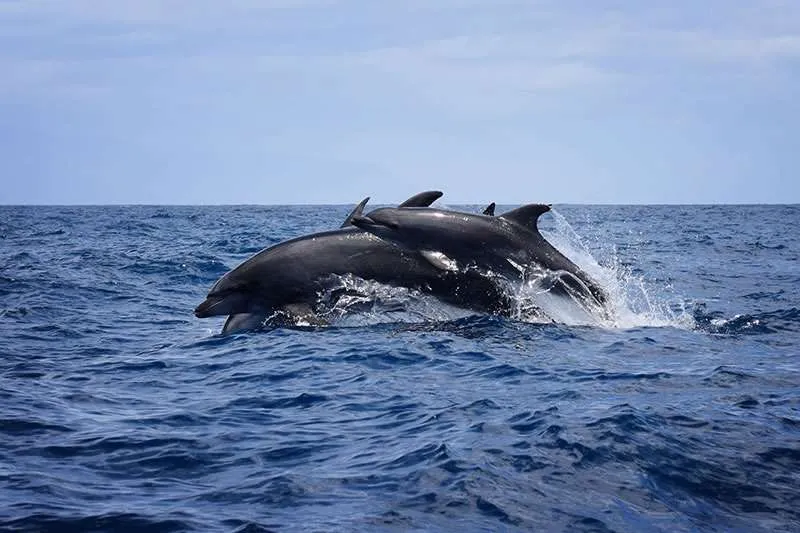
Dolphins in their natural habitat off the coast of Tenerife (Image: That Lady From Europe)
Moving towards European conservation targets
If the plans receive final approval, Spain's protected marine area would increase from 22.45% to 24.53% of its territorial waters.
However, this would still fall short of the European Union's target of protecting 30% of marine waters by 2030 under its Biodiversity Strategy.
What happens next?
The proposed sites are currently at the public consultation stage.
Following consultation, Spain will submit the proposals to the European Commission for approval. If accepted, the sites will become Sites of Community Importance (LICs) before eventually being designated as Special Areas of Conservation (ZECs).
That final stage could take up to six years and will require detailed conservation and management plans for each protected area.
If approved, the expansion would represent one of the largest increases in marine conservation ever proposed for the Canary Islands, further recognising the archipelago as one of Europe's most important regions for marine biodiversity.