Your phone knows when the sunbed gets boring, the flight drags on and dinner is still an hour away. British travellers are filling those gaps online, turning dead time into something much more interesting. The Canary Islands supply the holiday; the screen simply stops the gaps from feeling longer than they are.
British holidaymakers still come to the Canary Islands for warm weather, beaches and a break from the working week. The phone now comes along as part of the entertainment, filling airport waits, slower afternoons and the hour back at the hotel before dinner.
That does not turn a holiday into another day online; it means the habits built at home remain close at hand once the suitcase is unpacked.
Tenerife gives you plenty of reasons to leave the screen alone for most of the day. Smaller coves and less developed stretches of coast reward an early start, especially when the popular resort beaches are already filling up. The island’s lesser-known shores can turn a simple beach trip into a full day out, with a village stop or coastal drive added along the way.
By the time you return to the hotel, there is usually an hour to fill before dinner. A programme or a quick check on the football fits neatly there. The beach remains the reason for the day; the phone takes care of the gap afterwards.
British adults spent an average of four hours and 30 minutes online each day in 2025, which was 10 minutes more than the year before. Most of that use happened on smartphones, and adults opened an average of 41 apps during a month.
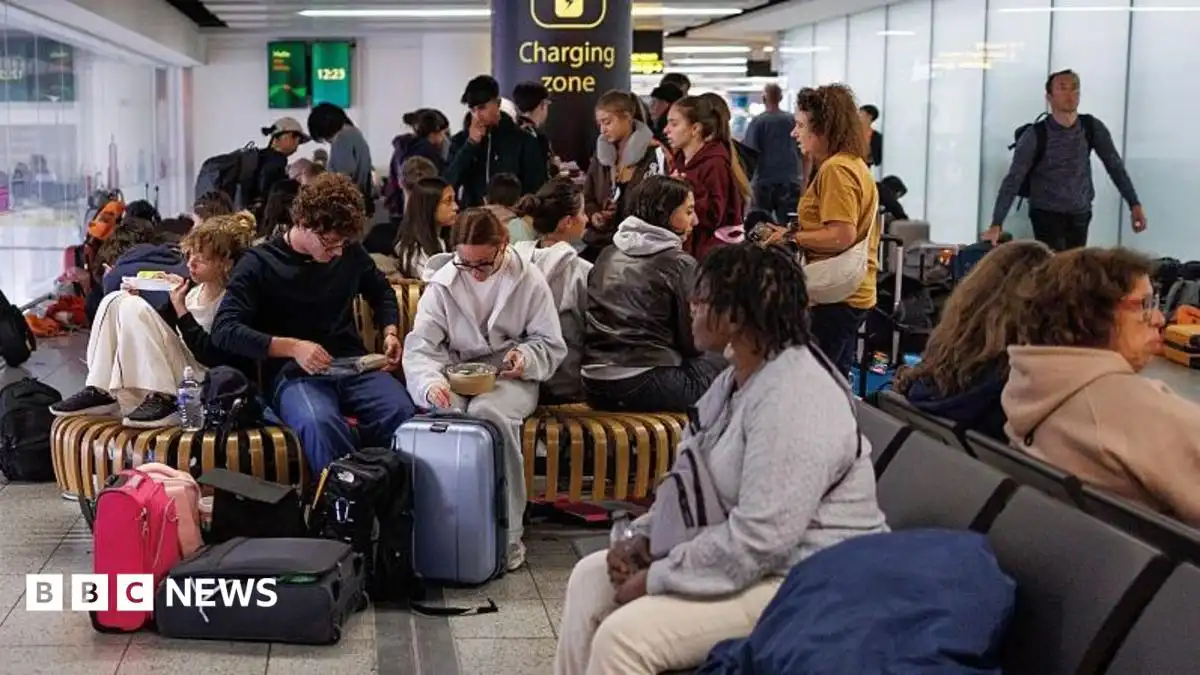
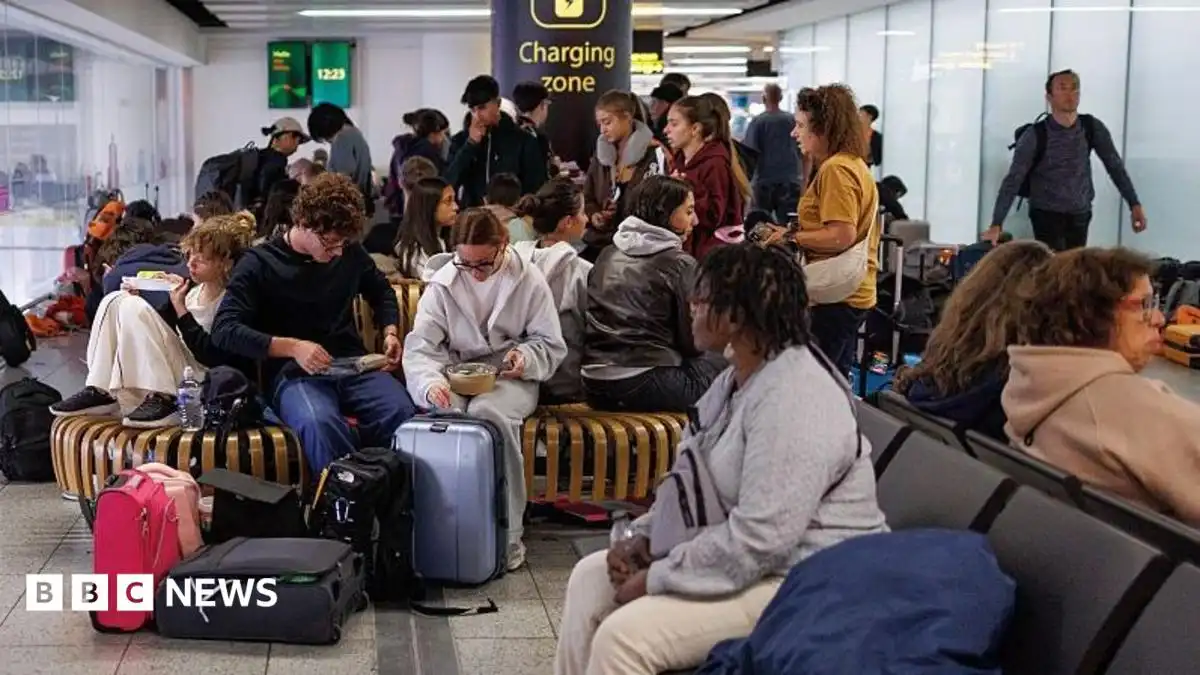
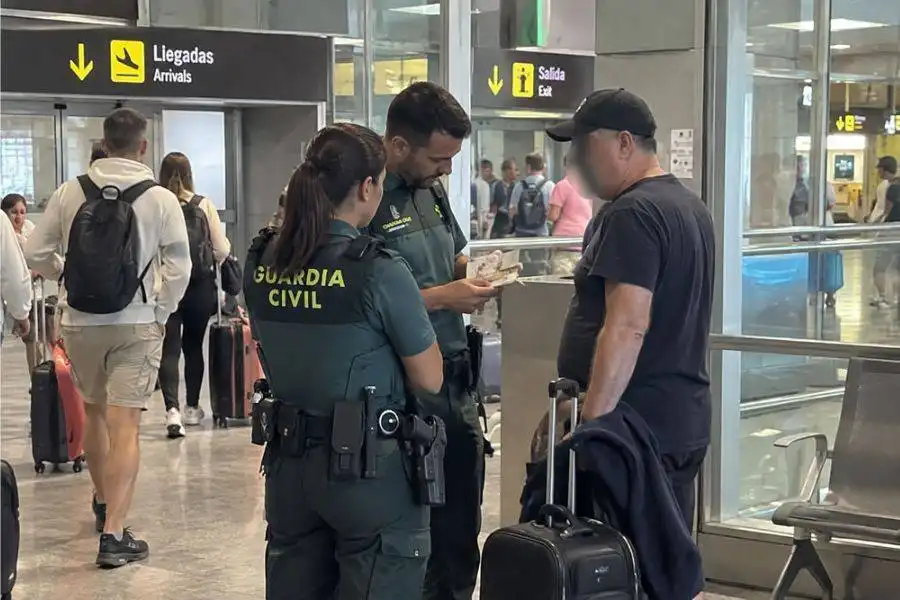
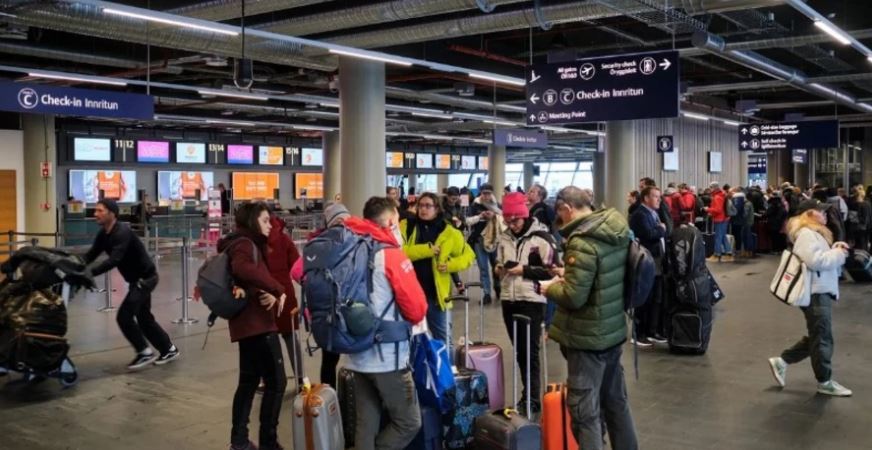
Those numbers explain why digital habits follow people through the airport. You do not stop checking messages because the view outside has changed, and a delayed flight is still a delayed flight whether you are leaving Manchester or heading home from Tenerife South.
Video takes up a large part of that routine. YouTube reached 94% of UK adults and accounted for an average of 51 minutes per day, excluding viewing on a television set. WhatsApp reached 90%, so the holiday phone carries entertainment alongside the running conversation with family back home.
British holidaymakers no longer leave their usual entertainment habits at home, especially when a phone or tablet can fill the slower parts of a day without dictating the holiday. Casino.org’s guide compares 15 UK casino sites through practical details such as withdrawal times, payment methods, mobile performance, game libraries and bonus terms, giving adult players a clearer picture of what each service actually offers before they use it abroad.
That makes the choice easier during an evening, when nobody wants to spend half the night opening accounts or discovering that a service works badly abroad.
A hotel day pass gives visitors a resort day without booking another room. Across Tenerife, Gran Canaria, Lanzarote and Fuerteventura, passes can include pool access or spa facilities, with prices beginning around €30 to €40 and climbing above €100 for premium packages.
That kind of day has its own loose rhythm. You swim, order lunch and spend a while under an umbrella before deciding what comes next. The phone works well in those pauses because it asks for little commitment. A short video can be stopped when the pool clears, and a game can be closed when it is time to eat.
Online entertainment earns its place here because it does not need an itinerary or booking time; it fills 20 minutes, then gets put away. The Canary Islands still provide the day, and the screen handles the space between one plan and the next.
The latest Gambling Survey for Great Britain questioned 5,210 adults between 22 September 2025 and 18 January 2026. It found that 47% had gambled during the previous four weeks, falling to 26% when lottery-only participation was removed.
Online participation stood at 37%, or 15% without lottery-only players. Betting reached 8%, and online instant-win games also reached 8%. Those figures place gambling inside a wider British online routine, which makes its place during holiday downtime easy to understand.
A trip to the Canary Islands still revolves around the place itself: the beach day and the drive across the island, followed by dinner after sunset. Online entertainment gives you something useful to do around those plans, particularly during travel delays or the slower hour before heading out.
British visitors already carry these habits everywhere else, so leaving them behind at passport control would make little sense. The balance is straightforward: enjoy the islands properly, then use the phone when the day gives you a gap.