Only eight newly built public homes (council houses) were delivered in the Canary Islands in 2025, despite more than 34,000 people currently registered as applicants for social housing.
The figures, confirmed by the Instituto Canario de la Vivienda (ICAVI), highlight the scale of the region’s housing emergency and the widening gap between demand and supply.
ICAVI itself has acknowledged that “there has not been a significant offer of public housing”, while applications have risen steadily year after year.
Demand soaring, supply collapsing
The contrast with previous years is stark.
By comparison, in 2010 a total of 325 public homes were handed over when there were just 1,818 applicants. Following the economic crisis, changes in rental laws for landlords, and COVID, demand surged while construction collapsed.
The eight homes in Ingenio
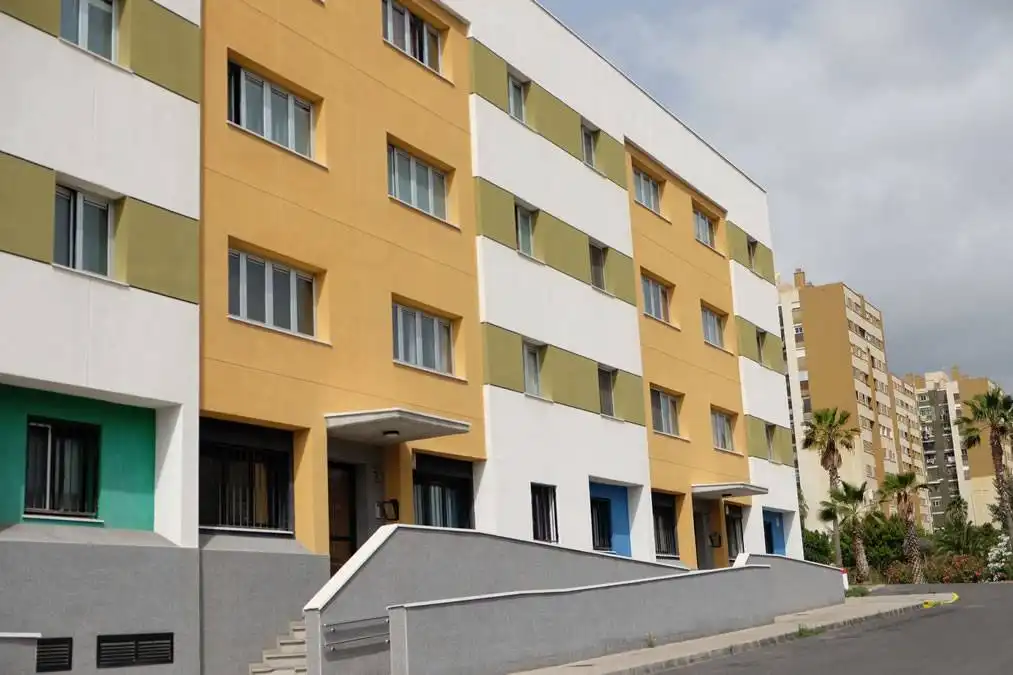
The eight properties delivered in 2025 correspond to a small social rental development in El Sequero, in Ingenio.
The project, with a budget of just over €1.6 million and a 14-month construction period, was aimed at low-income households earning below 1.5 times the IPREM threshold.
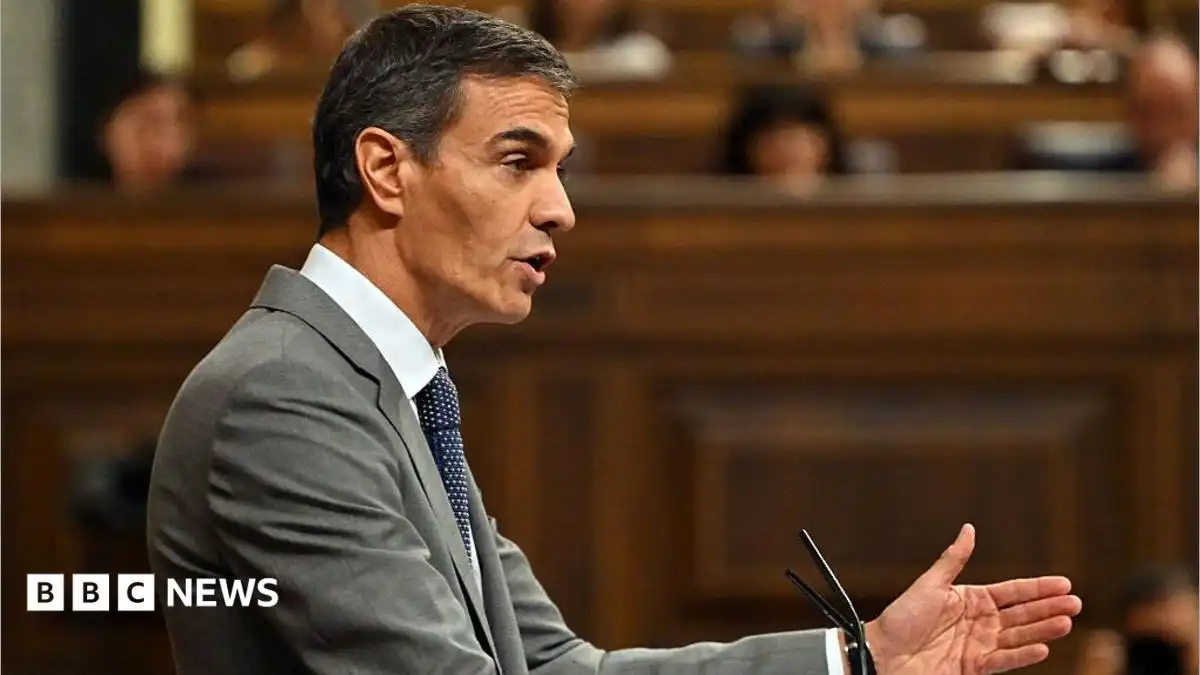
At the December handover ceremony, the Canary Islands’ Minister for Public Works, Housing and Mobility, Pablo Rodríguez, stated that housing had been placed “at the centre of political action”.
He also said that more than 100 public homes had been delivered on Gran Canaria over the past year. However, those properties were privately promoted protected housing, not directly developed public housing like the Ingenio project.
Rodríguez expressed confidence that delivery numbers would rise significantly from 2026 onwards, pointing to construction projects underway across all islands.
Leadership change at ICAVI
The data was compiled under former ICAVI director Antonio Ortega, who resigned two months later after being formally charged with sexual offences.
ICAVI is now headed by María del Pino de León Hernández and operates under the regional ministry led by Pablo Rodríguez.
211,000 empty homes across the islands
Meanwhile, according to the 2021 Housing Census by the Instituto Nacional de Estadística (INE), more than 211,000 homes in the Canary Islands are considered vacant, roughly one in five properties.
The figure is based on properties without electricity contracts or with minimal annual consumption and is regarded as provisional.
Fernando Rodríguez, representing housing association Provivienda in the Canaries, argues that mobilising just one fifth of those empty homes would cover the needs of all 34,000 registered applicants.
Campaigners from the Tenerife Tenants’ Union say vacant properties are not being properly inspected, sanctioned or expropriated under the Canary Islands Housing Law of 2003, which allows their use in cases of social emergency.
Public housing far below European targets
Provivienda estimates that there are around 18,000 public homes in the Canary Islands, just 2% of the total housing stock.
Figures from Spain’s Ministry of Housing suggest the public housing rate in the islands stands between 1.7% and 3%, placing the archipelago among the regions with the lowest proportion of social housing in Spain, and well below the European benchmark of around 10%.
ICAVI has also admitted it does not have a complete, detailed register of all protected housing developments in the islands, including their location, legal classification dates or total number of units.
Promises vs reality
In March, Pablo Rodríguez stated that more than 3,000 public homes are currently at various stages of development across the archipelago, including 2,000 under construction.
He also announced that ICAVI’s budget would increase to nearly €200 million, the highest in its history, alongside €37 million in rental assistance funding.
However, data shows that only around 2% of the public homes projected five years ago have actually been delivered.
With demand climbing and delivery numbers remaining minimal, housing continues to be one of the most pressing challenges facing the Canary Islands.