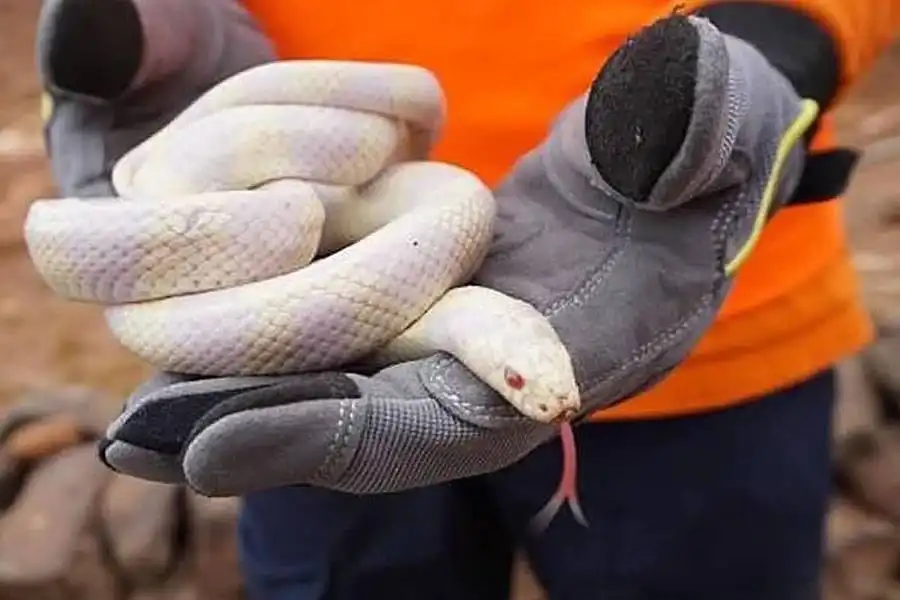
A record 807 California kingsnakes were captured in the wild in Gran Canaria during June, making it the highest monthly total since records began and highlighting the continued spread of the invasive species across the island.
The previous monthly record stood at 803 snakes, set in May 2025, but June has now overtaken it. The latest figures also represent a significant increase on June 2025, when 623 snakes were removed from the wild, meaning this year's total is 184 higher than the previous June record.
More Than 2,200 Captured This Year
So far in 2026, a total of 2,209 California kingsnakes have been captured natural areas of Gran Canaria during the first six months of the year.
With six months of the year still remaining, 2026 has already become the fifth-highest year on record for snake captures since the control programme began in 2009. The figures suggest the invasive species continues to expand both in population and geographical range, despite ongoing efforts to eradicate them.
The California kingsnake was first detected in Gran Canaria in 1998 and poses a serious threat to the island's native wildlife, preying on endemic reptiles and upsetting the natural ecosystem.
Emergency Control Programme
The annual emergency phase of the snake control programme jointly funded by the Gran Canaria Cabildo and the Canary Islands Government, began on 28th March by environmental company Gesplan, when the reptiles become most active above ground.
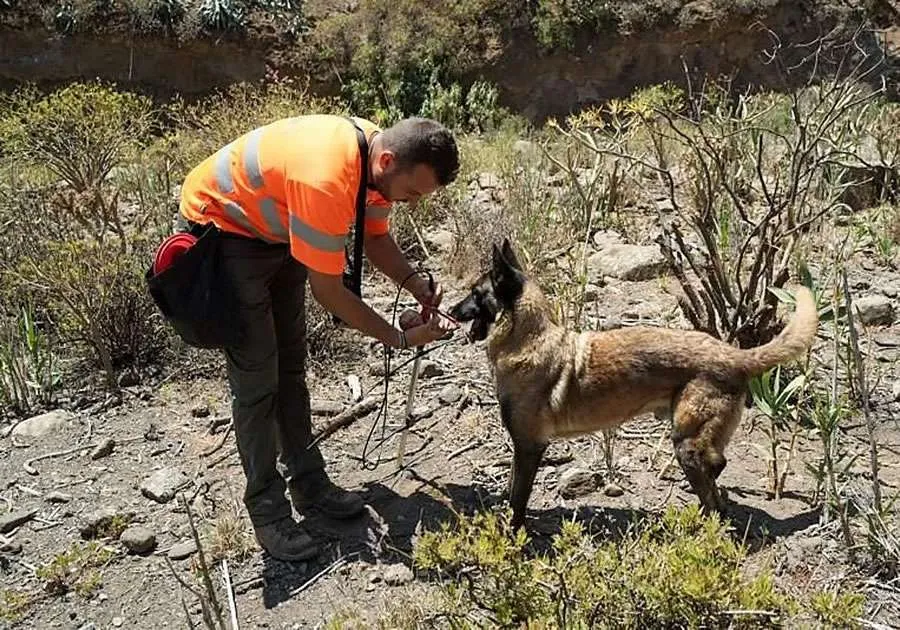
This year, the operation has been expanded to include 50 staff, including technicians, field operatives, supervisors and specialist dog handlers. Several trained detection dogs are also deployed alongside 566 active snake traps positioned across the island.
Public Asked to Remain Vigilant
During the emergency period, the public reporting service operates seven days a week from 7:00am to 9:00pm, allowing residents to report sightings or safely hand over captured snakes.
Although capture numbers typically begin to decline from August onwards as snake activity decreases, the latest record figures underline the continuing challenge of controlling one of the Canary Islands' most damaging invasive species.