More than 18 million people book a sunny getaway to the Canary Islands, such as Tenerife or Lanzarote, each year. However, this can turn upside down in a split second if you suffer an unexpected injury. Navigating an unfamiliar foreign medical system and legal landscape while dealing with physical pain is incredibly stressful.
Knowing exactly what to do in the immediate aftermath of an incident protects your health, satisfies your insurance requirements, and preserves your legal rights. Here are the seven critical actions you must take if you are involved in a holiday accident in the Canary Islands.
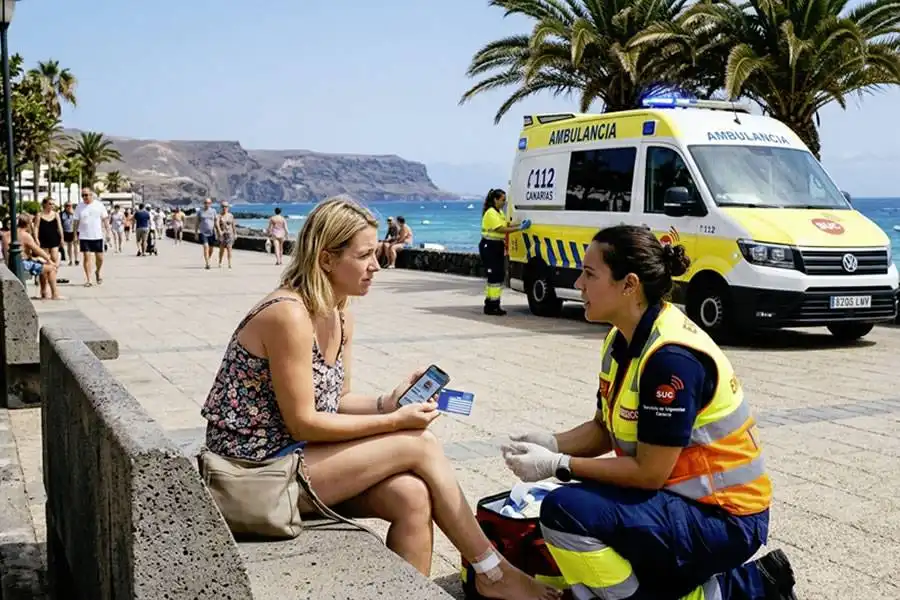
The absolute first step following any serious incident is to seek immediate medical assistance. Dialing 112 connects you to the pan-European emergency services, where operators can dispatch ambulances, local police, or fire crews.
This central dispatch system has English-speaking operators available to handle urgent situations across all the islands. Securing official emergency intervention ensures that professional medical personnel document your injuries right from the start.
Understanding where you are being taken for treatment is vital for your financial protection. The Canary Islands have excellent public university hospitals, such as the Hospital Universitario de Canarias in Tenerife, which provide comprehensive emergency care.
Many tourist areas are saturated with private clinics that may offer quicker service but can lead to exorbitant out-of-pocket expenses. Unless your travel insurance explicitly authorises treatment at a specific private facility, always request to be taken to a state-run facility to ensure coverage under reciprocal agreements.
If you are injured in a public venue or a hotel, a dedicated personal injury lawyer can help you determine liability while you focus on recovery. Specialists like Triumph Law Group are worth contacting even before you travel, to get advice.
You must present the correct documentation to ensure your medical treatments are processed without administrative issues. The UK Global Health Insurance Card (GHIC) grants you access to necessary state-provided healthcare in Spain under the same conditions as residents.
However, a GHIC is not an alternative to comprehensive travel insurance, as it does not cover private medical care or emergency repatriation flights. Carry physical or digital copies of both your GHIC and your insurance policy certificate at all times during your trip.
Most travel insurance policies strictly enforce specific notification windows, often requiring you to report an accident within 24 to 48 hours, so always check the details. Failing to inform your insurer promptly can result in the complete denial of your medical claim.
When you call your insurer’s emergency medical helpline, they will provide you with a case number. Keep this number handy, as medical staff at local facilities will need to coordinate directly with your insurer for billing and treatment approvals.
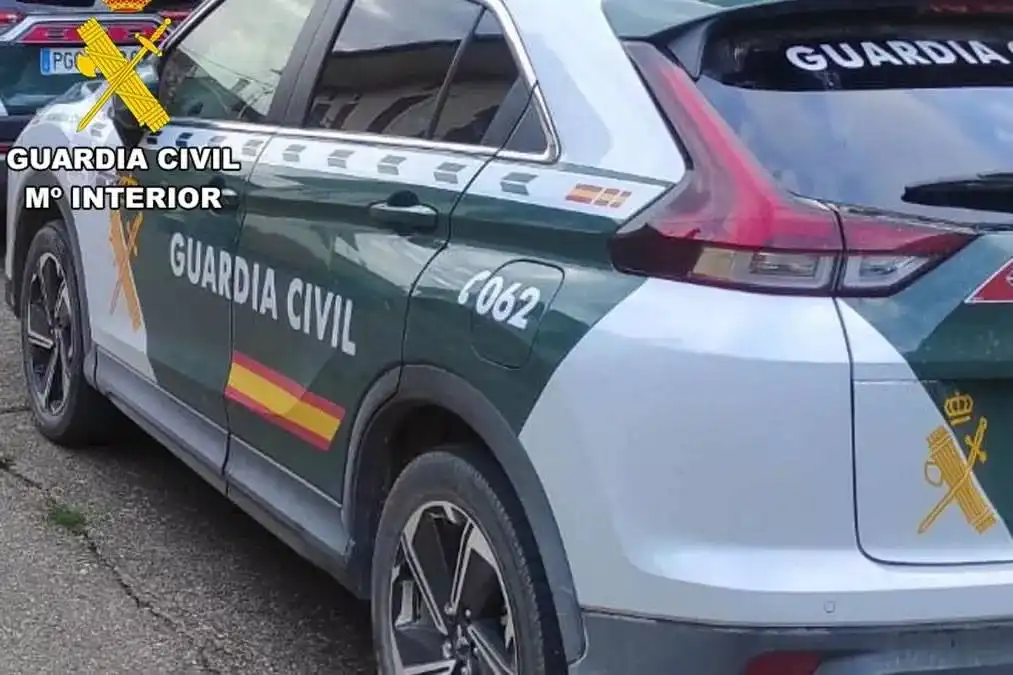
A formal police report acts as an essential, objective piece of evidence if you need to file a compensation claim later. Depending on where the accident occurred, you will need to contact either the Policía Local or the Guardia Civil.
For incidents occurring on hotel grounds, in restaurants, or at excursion sites, insist that management log the accident in their official internal incident book. Always request a signed and dated copy of this report before you check out or leave the premises.
The physical environment can change rapidly, meaning crucial evidence can disappear hours after your accident. Use your smartphone to take comprehensive photos of the scene, focusing on the specific hazard that caused your injury.
Gather the names, phone numbers, and email addresses of anyone who saw the incident occur. Holiday accidents require solid documentation, and having independent accounts from fellow travellers or hotel guests can significantly strengthen your case.
There are certain pieces of evidence you should gather before returning home:
Pursuing a personal injury claim involving a Spanish entity introduces complex jurisdictional and language barriers. Local hotel operators and insurers will often try to settle disputes quickly and cheaply before you have a chance to seek legal counsel.
Securing independent legal guidance ensures that your rights are fully protected under both local regulations and international travel laws. A qualified legal professional will navigate the cross-border complexities, manage communication with overseas parties, and fight for the full financial recovery you deserve.
Experiencing an accident abroad can leave you feeling vulnerable and overwhelmed by foreign legal processes. Taking these systematic steps protects your health while establishing a robust paper trail for any future claims. For more insights on making the most of a trip to the Canaries while minimising potential risks, explore our other articles.